


Stairways to the Stars
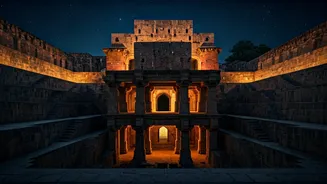
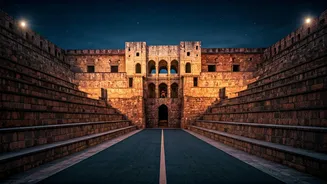
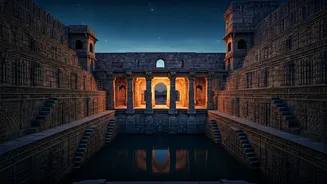
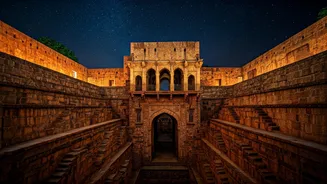
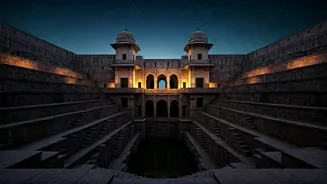
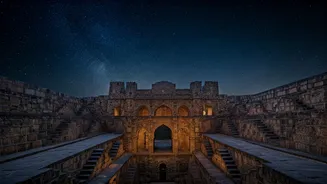
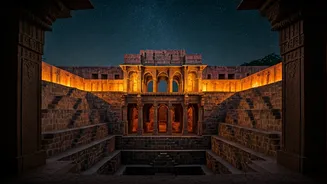
Imagine a photograph where the night sky isn't just a dark canopy but a swirling vortex of star trails, arching perfectly over a structure that seems to descend into the earth itself. This is the magic of long-exposure photography at India's ancient stepwells,
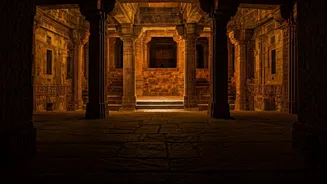
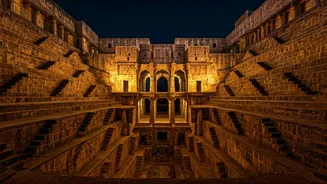
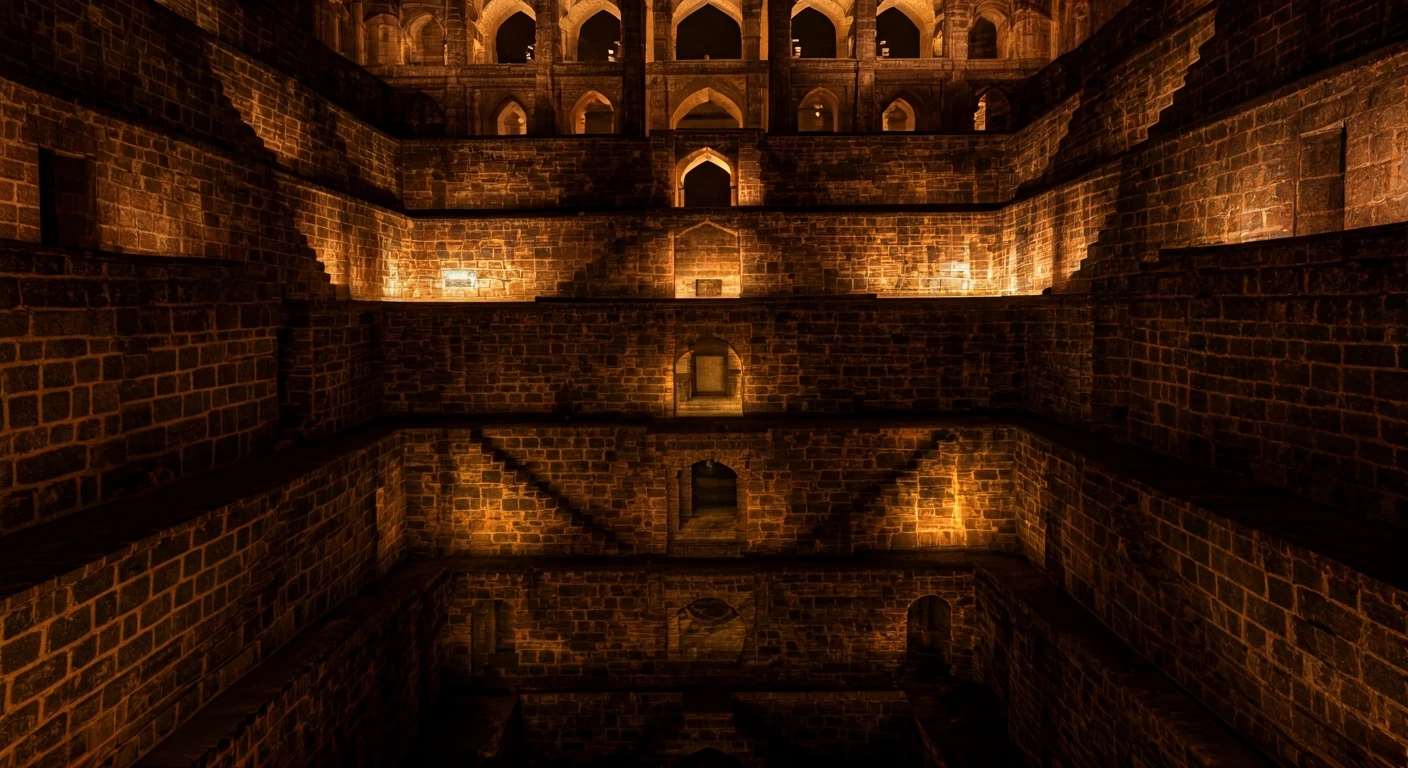
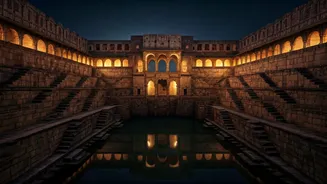
or 'baoris'. In these images, the stone staircases, repeating in a dizzying, hypnotic pattern, are painted with ethereal light. The water at the bottom, often still and dark by day, becomes a mirror reflecting a celestial dance. Photographers, often in small, dedicated groups known as 'photo crawls', venture to these sites after dark, not just to see them, but to reveal a hidden dimension. They use torches and coloured gels to 'paint' with light, selectively illuminating carvings and archways, creating scenes that feel more like fantasy art than documentary photography. The final image is a collaboration between a thousand-year-old architect and a 21st-century artist with a tripod.
A Descent into History
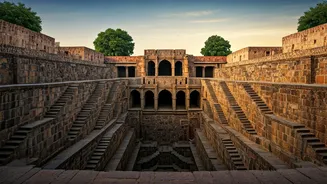
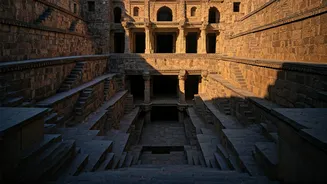
So, what exactly are these architectural marvels? Stepwells are a uniquely Indian innovation, most common in the arid western states of Gujarat and Rajasthan. Dating back over a millennium, they were brilliant solutions to a harsh climate. Far more than simple wells, they are elaborate, multi-storied structures built to provide reliable, year-round access to groundwater. They are subterranean inverted pyramids, with series of steps leading down to the water level, which would fluctuate dramatically between the monsoon and dry seasons. But their purpose was twofold. They were also vital community hubs—cool, shaded refuges from the searing summer heat where people, especially women, would gather to collect water, socialise, and seek shelter. Masterpieces like Chand Baori in Rajasthan, with its 3,500 symmetrical steps, and the UNESCO World Heritage site Rani ki Vav in Gujarat, covered in intricate sculptural panels, are testaments to the incredible engineering and artistic vision of their time.
The Midnight Photo Crawl
The trend of photographing these wells at night is more than just a photographic challenge; it's a pilgrimage. For a growing community of amateur and professional photographers, the 'photo crawl' to a remote baori is an event. It requires planning, patience, and a deep respect for the location. The appeal is layered. Firstly, there's the solitude. These popular tourist sites, bustling by day, become quiet, contemplative spaces at night. The only sounds are the chirping of insects and the quiet clicks of camera shutters. Secondly, there's the creative control. Night photography allows the artist to build the light themselves. They decide which parts of the structure to highlight and which to leave in shadow, effectively re-interpreting the architect’s design through a lens. This activity has fostered a community of enthusiasts who share tips on everything from the best time of year for clear skies to the specific camera settings needed to capture the Milky Way over a specific well.
Painting with Time and Light
The 'magic' in the headline is no exaggeration; it’s a direct result of the long-exposure technique. By leaving the camera's shutter open for an extended period—from 30 seconds to several minutes—photographers can capture things the human eye cannot. The slow rotation of the Earth becomes visible as stars streak across the frame. Faint starlight accumulates, illuminating the landscape in a soft, otherworldly glow. Any movement of a light source, like a person walking with a torch, is recorded not as a person, but as a ribbon of light. This is 'light painting', a core technique used at stepwells. A photographer might walk down the steps with a flashlight pointed at the stone, literally painting the architecture into the photograph. The result is a single, static image that contains a record of time, movement, and deliberate artistic choice, transforming a historical site into a dynamic canvas.