


The Numbers Don't Lie
Data released by the Federation of Automobile Dealers Associations (FADA) for August 2026 sent a clear message: the ground beneath India's passenger vehicle market is shifting. Alternative powertrains captured a combined market share of 41.95%, narrowly
edging out petrol vehicles, which stood at 40.85%. Just a year ago, petrol cars commanded a comfortable 11-percentage-point lead over all other alternatives combined. This rapid reversal highlights a dramatic change in what Indian consumers prioritize when buying a new car. While petrol remains the single largest fuel category, its long-held dominance is now being seriously challenged by a trio of formidable contenders.
The CNG Juggernaut
The single biggest driver of this change is Compressed Natural Gas (CNG). Accounting for a record-high 25% of all passenger vehicle sales in August, CNG has become the default choice for cost-conscious buyers. With petrol prices remaining stubbornly high, the significantly lower running cost of a CNG vehicle has become an irresistible proposition. Automakers like Maruti Suzuki, which holds a commanding 71% share of the CNG market, have made the choice easier by offering factory-fitted kits across a wide range of popular models, from hatchbacks to SUVs like the Brezza and Fronx. This has moved CNG from a niche, aftermarket solution to a mainstream, reliable option straight from the showroom.
Hybrids and EVs Gain Serious Ground
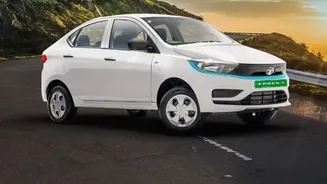
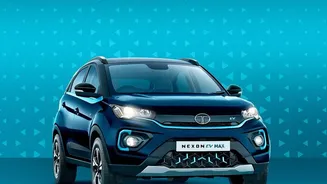
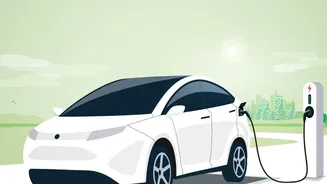
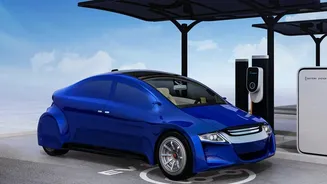
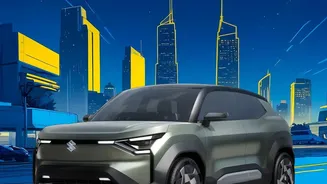
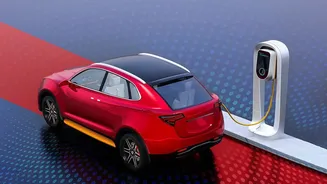
While CNG handles the volume, electric vehicles (EVs) and hybrids are making significant inroads. EV sales jumped 52% year-on-year in August, reaching 30,700 units and capturing a 7.7% market share. This growth is fueled by a combination of factors: more model choices from manufacturers like Tata Motors and Mahindra, and robust government support. Central government schemes like PM E-DRIVE and state-level policies, such as Delhi's aggressive EV Policy 2026, provide subsidies and tax exemptions that make the upfront cost of an EV more palatable. Hybrids, meanwhile, offer a perfect middle ground for buyers who want better fuel efficiency without the range anxiety associated with pure EVs, a segment where Toyota and Maruti Suzuki are finding increasing traction.
A Perfect Storm for Petrol
Several factors have converged to put pressure on petrol's dominance. Persistent high fuel prices have had the most direct impact, forcing buyers to seriously evaluate the total cost of ownership rather than just the sticker price. Furthermore, dealers report a degree of consumer hesitation around the government's push for E20 petrol (a 20% ethanol blend). This uncertainty appears to be nudging some potential petrol buyers towards CNG, hybrids, or EVs, where the fuel proposition is more straightforward. Carmakers are also incentivized to push alternative fuel vehicles to meet tightening corporate average fuel economy (CAFE) norms, which reward them for selling more efficient cars.