




The Rise of the Night Owl Tourist
Welcome to the world of “noctourism,” a burgeoning travel trend that’s less about chasing the sun and more about embracing the dark. The concept is simple: shifting sightseeing, exploration, and recreation to the cooler, quieter hours after sunset. While
not an entirely new idea—think Las Vegas nightlife or chasing the Northern Lights—it’s finding fresh purpose in a warming world. For regions like Rajasthan, where daytime temperatures in summer can soar well above 100°F (40°C), noctourism isn’t just a novelty; it’s a practical and enchanting solution. It allows travelers to experience the magic of a destination without wilting under oppressive heat, unlocking a side of a place that most day-trippers miss entirely.
Rajasthan: A Celestial Theater
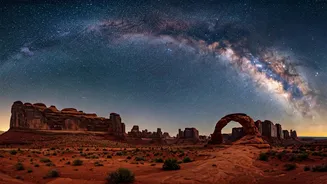
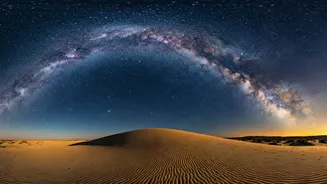
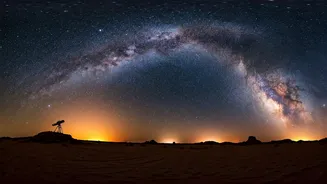
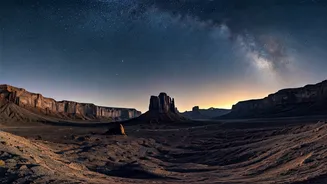
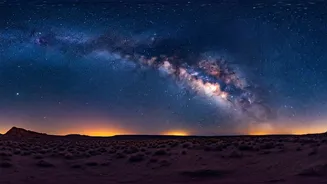
India’s northwestern state of Rajasthan, famous for its majestic forts, vibrant cities, and the vast Thar Desert, is emerging as a premier destination for this new brand of travel. The very geography that makes its days so challenging creates the perfect conditions for its nights. The dry, arid climate of the desert means less atmospheric moisture and fewer clouds, resulting in exceptionally clear skies. More importantly, large swaths of the state have minimal light pollution, allowing the Milky Way to splash across the sky in breathtaking detail. Recognizing this unique asset, the state government is actively promoting astro-tourism. It recently launched a campaign to position Rajasthan as a stargazing hub, with initiatives to establish official “dark sky parks” where artificial light is strictly controlled to preserve the natural darkness.
Swapping Sunburns for Stargazing
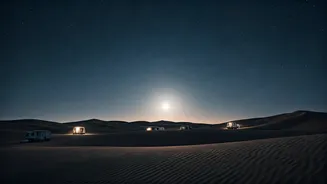
For the modern stargazer, the appeal is obvious. Instead of forcing a trek to a historic fort under the punishing midday sun, they can rest during the day and explore at night. Imagine a camel safari through the desert dunes, not in the sweltering heat, but under a cool, moonlit sky. Many desert camps that once focused on daytime excursions now offer powerful telescopes and resident astronomers to guide guests through the cosmos. It’s a complete reordering of the travel itinerary. Mornings and afternoons are for relaxing in the shade of a haveli (a traditional mansion) or by a pool, while evenings and nights are reserved for the real adventure. This climate-smart approach makes travel to the region more comfortable and sustainable, extending the tourist season into the hotter months.
Beyond the Telescope
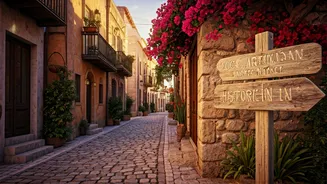
But noctourism in Rajasthan is about more than just pointing a telescope at Jupiter. It’s a holistic experience. In the capital city of Jaipur, the 18th-century Jantar Mantar observatory—a UNESCO World Heritage site filled with colossal astronomical instruments—takes on a different kind of magic when viewed as part of a night-sky tour. Cities like Jodhpur and Udaipur, known for their stunning forts and palaces, are often illuminated after dark, offering a dramatic and crowd-free way to appreciate their architecture. Evening food walks through bustling bazaars come alive as the temperature drops, offering a more pleasant way to sample local delicacies. By embracing the night, travelers can connect more deeply with the culture, history, and natural beauty of Rajasthan in a way that feels both timeless and perfectly suited for our modern climate reality.