





Not All Millets Are the Same
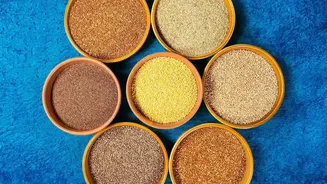
The first thing to know is that 'millet' isn't one single grain. It's a family of small-seeded grasses, and each member has a unique personality. Thinking they will all cook and taste like rice is the most common mistake for beginners. From the bold,
warming flavour of bajra to the mild adaptability of jowar, understanding their individual characteristics is the key to success. Some are best for rotis, others shine in porridge, and some make a fantastic substitute for rice. Getting to know the main players is your first step.
The Big Three: Jowar, Bajra, and Ragi
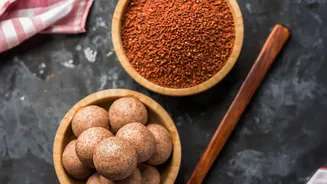
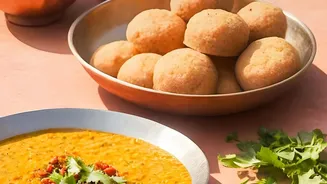
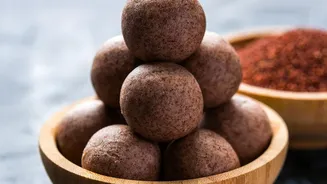
For most Indian kitchens, the journey starts with three main millets. Jowar (sorghum) is the beginner-friendly option; it has a mild, neutral, and slightly sweet taste that makes it very adaptable. Its flour is ideal for soft bhakris or dosas. Bajra (pearl millet) is its robust, earthy cousin. With a distinct nutty and hearty flavour, it's a winter favourite that generates body heat and is perfect for substantial rotis paired with rich curries. Then there's Ragi (finger millet), a nutritional powerhouse known for its high calcium content. It has a unique earthy, almost malty flavour and lends a beautiful deep brown colour to dishes like porridge, dosas, and laddoos.
Meet the 'Small' Millets
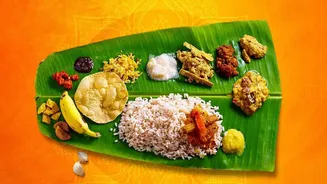
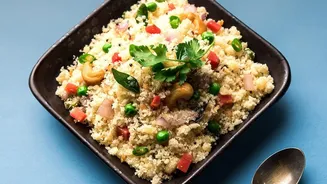
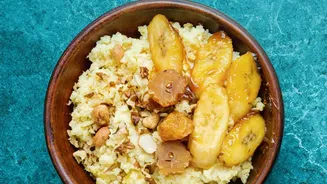
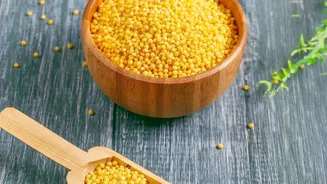
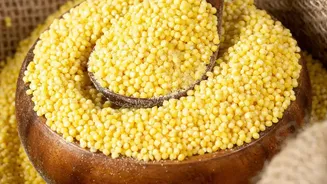
Beyond the big three, a world of 'small' millets offers textures perfect for rice-based dishes. Foxtail millet (kangni) is often recommended for absolute beginners as it's light, cooks quickly, and has a mild taste that makes it an easy substitute for rice in pulao or upma. Little millet (saamai) is even more delicate and soft, ideal for upma or pongal. Barnyard millet (kuthiraivali), popular for fasting, is light and slightly sticky when cooked, making it great for khichdi. Kodo millet has a slightly firmer, chewier texture that holds its shape well in one-pot meals.
The Non-Negotiable First Step: Soaking
Perhaps the single most important rule for cooking millets is to soak them. Most millets have anti-nutrients like phytic acid, which can interfere with mineral absorption and cause digestive issues. Soaking for at least 6-8 hours breaks down these compounds, making the grains easier to digest and their nutrients more available to your body. Soaking also dramatically improves texture, ensuring a softer, fluffier result while reducing cooking time. After soaking, always discard the water and rinse the grains before cooking.
Mastering Texture: Water Ratios and Cooking
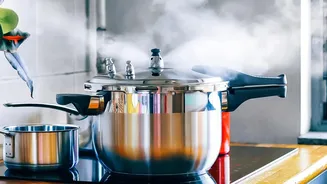
The second most common pitfall is using the wrong amount of water, which can lead to a soupy mush or hard, uncooked grains. Unlike rice, there's no universal ratio. Each millet is different. A good starting point for whole grains like foxtail or little millet is a 1:2.5 ratio (1 cup millet to 2.5 cups water). For flours like jowar and bajra, which lack gluten, using hot water is essential to bind the dough for rotis. When cooking whole grains, bring the water to a boil first, add the soaked and drained millet, reduce heat to a low simmer, and cover. Avoid cooking on high heat, as the bottom will burn before the top is cooked. Crucially, once cooked, let the millet rest, covered, off the heat for 5-10 minutes. This allows the grains to firm up and prevents them from turning to mush when you fluff them with a fork.