







The Psychology of 'Painless' Payments
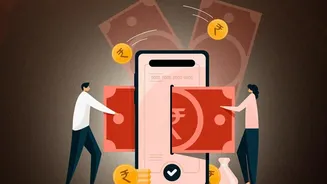
In the age of UPI and digital wallets, spending money has become seamless. A single tap is all it takes. This convenience creates what psychologists call 'payment abstraction'—the feeling that you are not spending real money. It’s much easier psychologically
to approve a small, digital ₹20 tip than to pull a physical note from your wallet. App designers use this to their advantage, employing 'choice architecture' with pre-set tip amounts like 15%, 20%, or 25%. Faced with these options, most people choose one rather than going through the extra step of entering a custom amount or selecting 'no tip', which can feel like an active refusal. This 'nudge' subtly encourages higher and more frequent tipping, making small payments feel both easy and socially expected.
The Real-World Math of Micro-Spending
Individually, these amounts are negligible. But when they become a daily or weekly habit, the cumulative cost is significant. Consider this: a daily ₹20 tip on your lunch order or coffee seems small. But over the course of a year, that adds up to ₹7,300. If you tip your delivery driver an average of ₹30 twice a week, that’s another ₹3,120 annually. The same principle applies to micro-donations. Many apps now prompt users to 'round up' their bill for charity or add a small, fixed amount like ₹5 or ₹10 to their order. While incredibly valuable for the charities they support, these recurring contributions can become an unnoticed line item in your budget, growing into thousands of rupees over a year. The power of these small amounts is their frequency, which quietly eats into your disposable income.
From Generosity to Automatic Expense
The issue is not with tipping or donating itself. Tipping is a customary way to show appreciation for good service, with 5-10% being a common range in Indian restaurants if a service charge isn't already included. Micro-donations, meanwhile, have democratised philanthropy, allowing many people to contribute to causes they care about. The problem arises when these acts of conscious generosity turn into automatic, unthinking expenses. Many subscription services and apps now use auto-debit features, which, while convenient, can lead to a lack of visibility over your cash flow. This creates a 'set it and forget it' mindset, where small, recurring payments for tips, donations, or even app subscriptions are rarely reviewed.
How to Conduct a Financial Health Check
The first step toward controlling these hidden costs is awareness. Financial experts recommend conducting a regular audit of your spending. Take 30 minutes at the end of each month to review your UPI and bank statements. Most payment apps provide a detailed transaction history that you can filter by merchant or date. As you scroll through, pay special attention to small, recurring amounts. Tally up all the tips, micro-donations, and other small auto-debits. The total will likely surprise you. This exercise is not about judging your past spending but about gathering data to make more informed decisions in the future.
Strategies for Conscious Spending
Once you know where your money is going, you can take back control. Instead of tipping or donating automatically, make a conscious choice each time. One effective strategy is to set a monthly budget for 'discretionary giving', which includes both tips and donations. When you hit your limit, you can choose to hold back until the next month. Another approach is to consolidate your giving. Instead of small, daily micro-donations, you could make a larger, planned donation to your chosen charity once a month or once a year. Some experts also suggest creating 'friction' around spending. For example, using cash for small purchases can make you more aware of the outflow, as you physically hand over money. By transforming automatic payments back into deliberate actions, you ensure your spending aligns with your values and your budget.