







What Are 'Joyful Moves'?
Forget personal bests and grueling mileage. The trend wellness micro-vloggers are championing—often called 'joyful movement' or 'soft running'—is about reframing exercise as an act of self-care, not self-punishment. At its core, it’s a form of moving
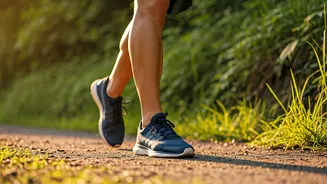
meditation. Instead of focusing on speed, distance, or calories burned, the goal is to tune into your body and your surroundings. It’s the difference between powering through a run with a grimace and jogging gently through a park, noticing the sounds of birds, the feeling of the wind, and the rhythm of your own breath. This philosophy ditches the metrics-obsessed mindset and replaces it with a focus on presence and enjoyment, turning physical activity into a mindful practice.
A Reaction Against 'Hustle' Fitness
For years, the dominant fitness narrative, amplified by social media, was one of extreme intensity. Think 'no pain, no gain,' high-intensity interval training (HIIT) as the only 'real' workout, and the constant pressure to push your body to its limits. While effective for some, this all-or-nothing approach led to burnout, injury, and a negative relationship with exercise for many. The rise of joyful movement is a direct and welcome backlash to this hustle culture. It acknowledges that consistency is more sustainable when the activity is enjoyable. Vloggers are showing their followers that walking on a treadmill while watching a favourite show—dubbed 'cozy cardio'—or a slow, scenic jog is just as valid and beneficial as a punishing sprint session. It’s a collective exhale, a permission slip to slow down.
Why Micro-Vloggers Are the Perfect Messengers
This trend isn’t being led by elite athletes or celebrity trainers with impossibly sculpted physiques. It’s being championed by micro-vloggers—creators with smaller, more engaged followings. Their appeal lies in their relatability. They present fitness not as an aspirational goal but as a messy, imperfect, and personal part of daily life. When a micro-vlogger shares a video of their 'soft run,' they’re not selling a product or a six-week shred program. They’re sharing a feeling: the peace of an early morning jog, the mental clarity after a stressful day. This authenticity resonates deeply with audiences tired of unrealistic standards, making these creators trusted sources for a more balanced approach to wellness.
The 'Meditate' in the Movement
The meditative aspect is what truly separates this trend from just 'going for a run.' Traditional running culture often encourages distraction—blasting music, listening to podcasts, or zoning out completely. Mindful running, however, asks you to tune in. The meditation isn't something you do before or after; the movement itself becomes the meditation. This involves focusing on sensory details. What are five things you can see? Four things you can hear? How does the ground feel beneath your feet? Practitioners report that this focus helps quiet the mental chatter, reduce anxiety, and foster a stronger mind-body connection. It transforms the run from a chore to be completed into a restorative experience to be savoured.
The Science of Slowing Down
This approach isn't just about good vibes; it's backed by science. Intense exercise can spike cortisol, the body's stress hormone. While this is a normal response, chronically high cortisol can lead to health issues. Gentler, more mindful forms of exercise, however, have been shown to help regulate cortisol levels and activate the parasympathetic nervous system, which is responsible for the body's 'rest and digest' state. Studies on mindful movement have linked it to reduced symptoms of anxiety and depression, improved mood, and greater body appreciation. By lowering the physical and mental barriers to entry, joyful movement makes it easier for people to reap the profound mental health benefits of regular physical activity.
How to Try a Joyful Run
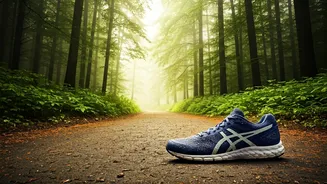
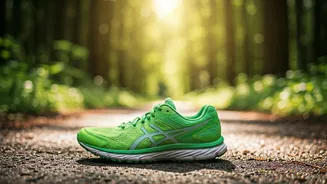
Curious to try it yourself? The beauty is in its simplicity. Start by leaving your fitness tracker and headphones at home. Choose a route that you find beautiful or calming, whether it's a quiet neighbourhood street, a park, or a nature trail. Begin at a comfortable pace—a slow jog or even a brisk walk. As you move, bring your attention to your breath. Try to sync your steps with your inhales and exhales. Scan your body for tension and try to release it. Let your goal be simply to move and breathe for 15-20 minutes, without any expectation of performance. The only rule is to listen to your body and do what feels good.