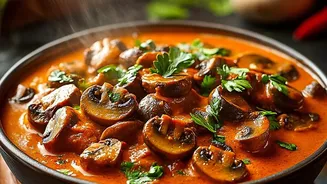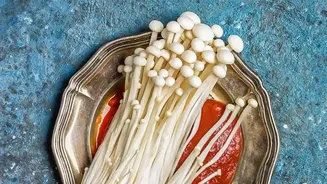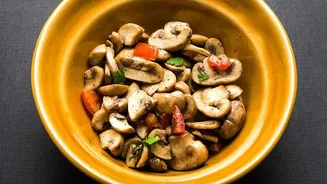



The Monsoon Mushroom Boom
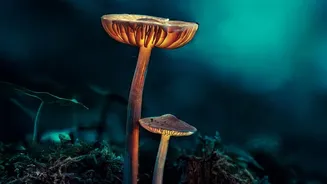
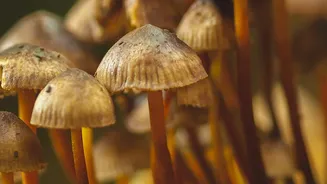
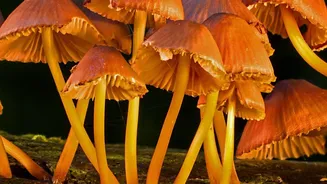
The rainy season creates the perfect conditions for fungi to thrive. The damp, humid environment allows wild mushrooms to sprout in forests, fields, and even backyards, seemingly overnight. This natural abundance makes them a tempting treat for foragers
and a popular addition to monsoon menus. However, this same humidity that helps them grow can also turn them into a source of foodborne illness if not handled correctly. The moisture in the air provides an ideal breeding ground for bacteria on all types of mushrooms, not just the wild ones.
The Dangers of Wild Mushrooms
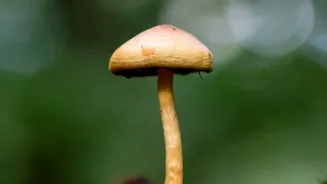
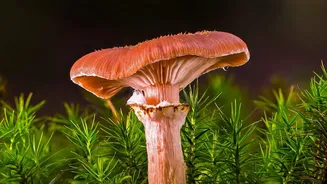
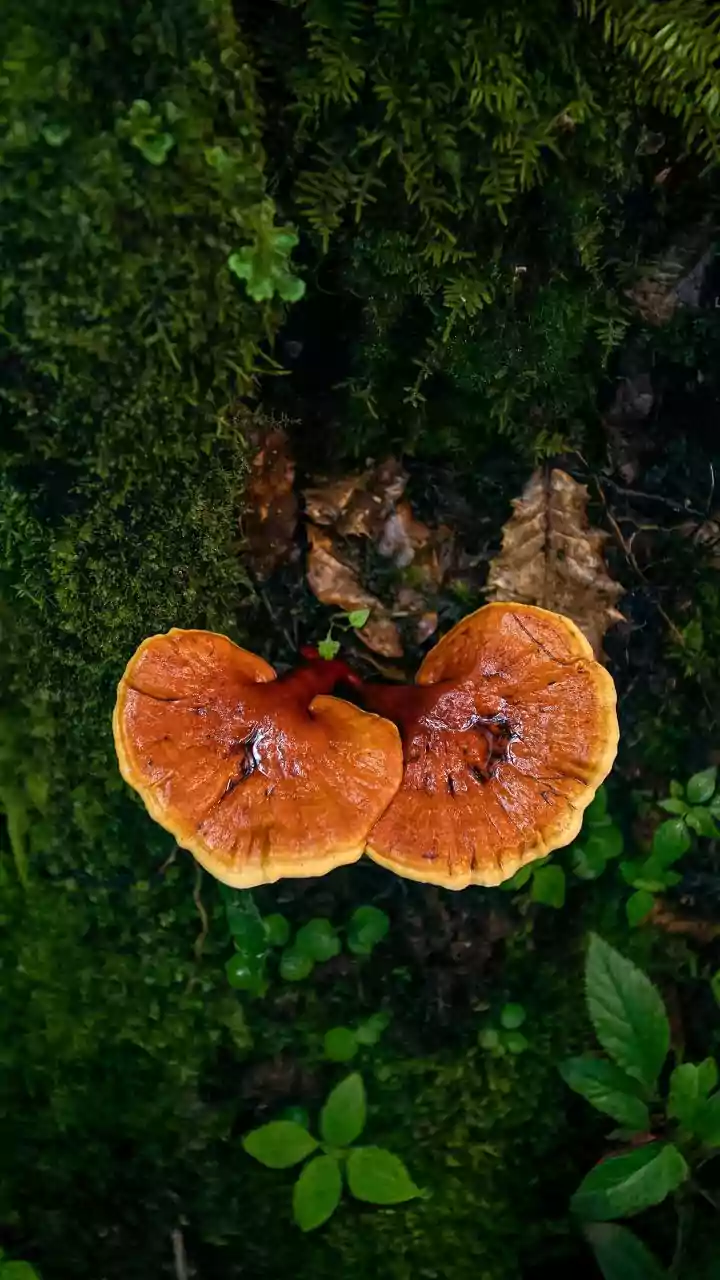
Foraging for wild mushrooms is a tradition in many parts of India, but it comes with significant dangers. Many poisonous mushrooms look strikingly similar to edible varieties, and telling them apart requires expert knowledge. Common myths—like poisonous mushrooms being brightly coloured or having a bad smell—are unreliable and dangerous. Some of the most toxic species, like the Death Cap (Amanita phalloides), can be mistaken for edible types and can cause severe liver and kidney damage, which may be fatal. Symptoms of mushroom poisoning can range from gastrointestinal distress like nausea, vomiting, and diarrhoea to more severe effects on the nervous system, and they may not appear for several hours or even days after consumption.
Risks With Store-Bought Varieties
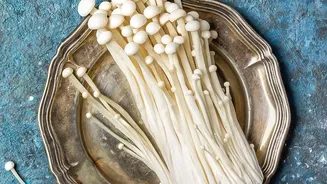
Even if you stick to mushrooms from a reputable grocer, the monsoon weather still calls for caution. High humidity can accelerate spoilage and promote the growth of harmful bacteria on the surface of mushrooms. Mushrooms have a high water content and can easily develop a slimy film, which is a sign of bacterial growth. Because they are porous, they absorb moisture from the atmosphere, making them prone to faster decay during the rainy season. Consuming mushrooms that have started to spoil can lead to an upset stomach and other digestive issues.
A Smart Shopper's Guide
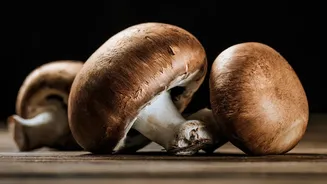
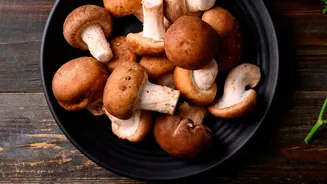
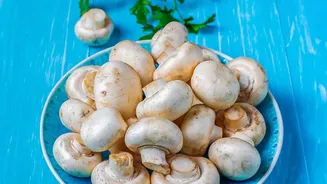
The safest way to enjoy mushrooms is to buy them from a trusted source. When selecting mushrooms at the market, your senses are your best guide. Look for mushrooms that are firm to the touch, with a smooth, dry surface. Avoid any that appear slimy, have dark spots, or look shrivelled and bruised. They should have a fresh, earthy smell, not a sour or musty one. If they are sold in plastic-wrapped containers, check for condensation inside, as trapped moisture can speed up spoilage. Whenever possible, choose loose mushrooms so you can inspect each one individually before buying.
Proper Storage and Cooking
Once you bring mushrooms home, proper storage is key to keeping them fresh. Remove them from any plastic packaging. The best way to store them is in a paper bag in the refrigerator, as this allows them to breathe and absorbs excess moisture. Do not wash mushrooms until you are ready to cook them. Soaking them in water makes them soggy and accelerates decay. Instead, rinse them quickly under running water and pat them dry immediately, or simply wipe them with a damp cloth. Cooking mushrooms thoroughly is also crucial, as heat can help kill off surface bacteria. Never consume mushrooms raw, especially during the monsoon.