





The Best Time for Birding
While many resident birds can be spotted year-round, the prime birdwatching season in Delhi runs from November to March. During these cooler months, the city’s parks and wetlands become a temporary home for thousands of migratory birds arriving from the cold
climes of Siberia, Central Asia, and Europe. To make the most of your outing, plan to be in the field just before dawn. Birds are most active in the early morning hours, from sunrise until about 10 a.m., when they are foraging for food and their calls fill the air.
Okhla Bird Sanctuary: A Wetland Wonderland
Situated on the banks of the Yamuna River at the Delhi-Noida border, Okhla Bird Sanctuary is a premier destination for bird enthusiasts. This four-square-kilometre wetland, created by the Okhla Barrage, hosts a rich mix of grassland and aquatic habitats. It's a haven for over 320 bird species, including a significant number of migratory waterbirds. During the winter, look for species like the Northern Shoveler, Northern Pintail, Common Teal, and Gadwall. The sanctuary is also home to resident species like the majestic Painted Stork and the Grey-headed Swamphen. The park is easily accessible via the Magenta Line of the Delhi Metro and is open daily, though it's best to check official timings before your visit.
Sultanpur National Park: A Migratory Hub
Though technically just outside Delhi in Haryana, Sultanpur National Park is an essential visit for any serious birder in the region. This compact sanctuary, recognized as a Ramsar Site for its importance, comes alive between October and March when it becomes a bustling stopover on the Central Asian Flyway. The park's centerpiece is a large freshwater lake surrounded by grasslands, where you can spot huge flocks of Bar-headed and Greylag Geese. It's also a breeding ground for Painted Storks and is home to over 250 species, including the Common Myna and the melodious Oriental Magpie-Robin.
Yamuna Biodiversity Park: An Ecological Success Story
Once a barren floodplain, the Yamuna Biodiversity Park is now a thriving ecosystem and a testament to successful ecological restoration. Located near Wazirabad village, the park's mosaic of wetlands, grasslands, and forests provides a habitat for a diverse range of flora and fauna. It is a dream destination for birdwatchers, especially during the migratory season when thousands of birds pass through. Visitors can spot birds like the Red-crested Pochard, cormorants, and darters in the wetlands, alongside resident birds such as parakeets, bulbuls, and coppersmith barbets in the forested areas. Guided visits are recommended to best explore the park's rich biodiversity.
Sanjay Van: A Forest in the City
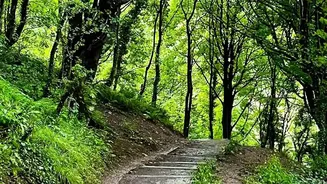
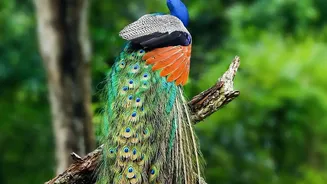
Spanning over 780 hectares along the Aravalli ridge in South Delhi, Sanjay Van is one of the city's most important green lungs. Its dry deciduous forest, scrubland, and small water bodies support a remarkable 222 bird species. It's a fantastic year-round destination where you can easily spot resident birds like the Indian Peafowl, Jungle Babbler, and Purple Sunbird. The forest is also a vital refuge for raptors like the Shikra and Oriental Honey-buzzard. During winter and passage seasons, migrants like the Indian Paradise-Flycatcher add to the vibrant birdlife, making it a rewarding urban wilderness to explore.
Jahanpanah City Forest: A Hidden Gem
Tucked away in South Delhi, Jahanpanah City Forest is another green refuge that offers excellent birding opportunities. This 800-acre forest, a mix of wooded trails and scrubland, is home to over 100 bird species. It's a great place to spot colourful residents like the White-throated Kingfisher, Rose-ringed Parakeets, and the Indian Peafowl. The distinct calls of the Greater Coucal and Oriental Magpie-Robin often accompany a walk through the trails. While exploring, you might also see raptors like the Black Kite soaring overhead.