


The Vibe: Sprawling Nature vs. Bustling Town
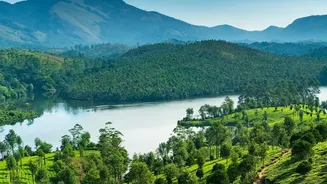
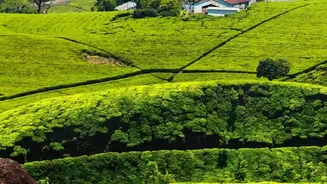
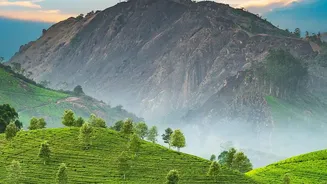
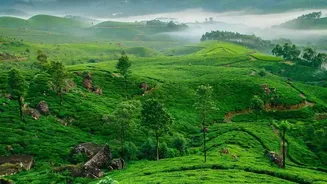
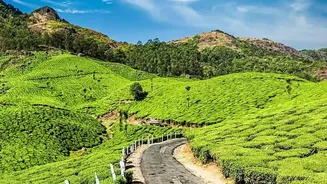
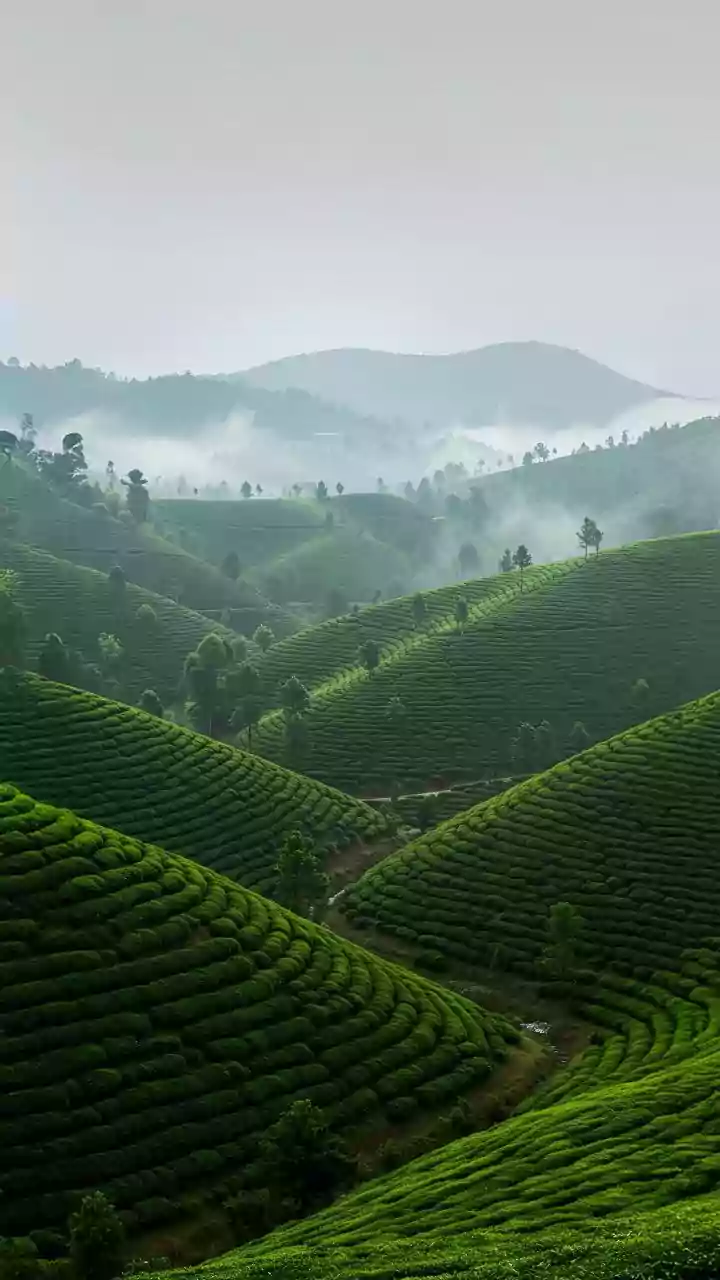
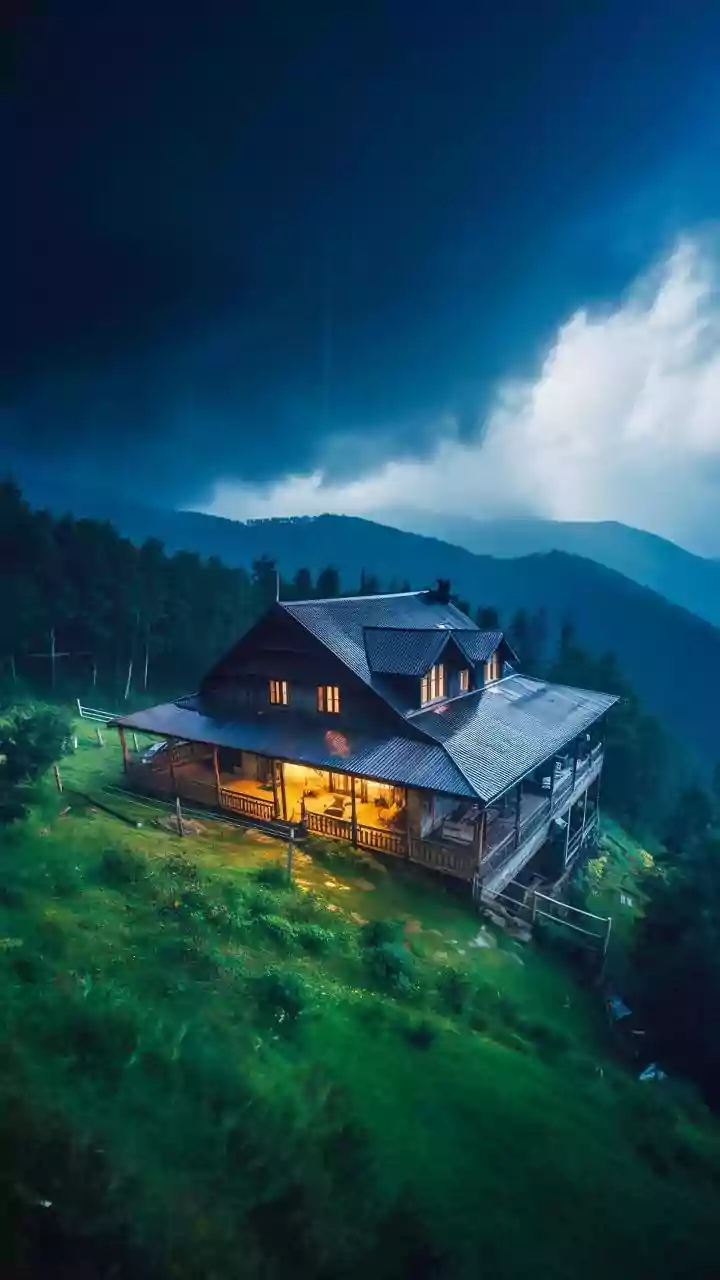
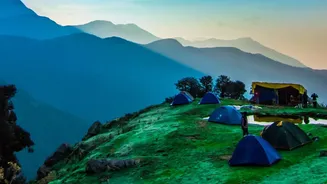
The fundamental difference between the two lies in their atmosphere. Munnar is not a town in the traditional sense; it's a vast region of rolling hills blanketed in tea plantations. The experience is about immersing yourself in this serene, green landscape.
Stays are often spread out, ranging from secluded resorts to plantation homestays, making it ideal for those seeking peace and a slower pace. Ooty, the 'Queen of Hills', is a proper hill station with a bustling town centre, colonial architecture, and lively markets. While it has its share of beautiful scenery, the experience is more about structured sightseeing in and around a historic town. It feels more commercial and populated, offering a classic hill-station holiday vibe.
November Weather: Cool, Crisp, and Post-Monsoon
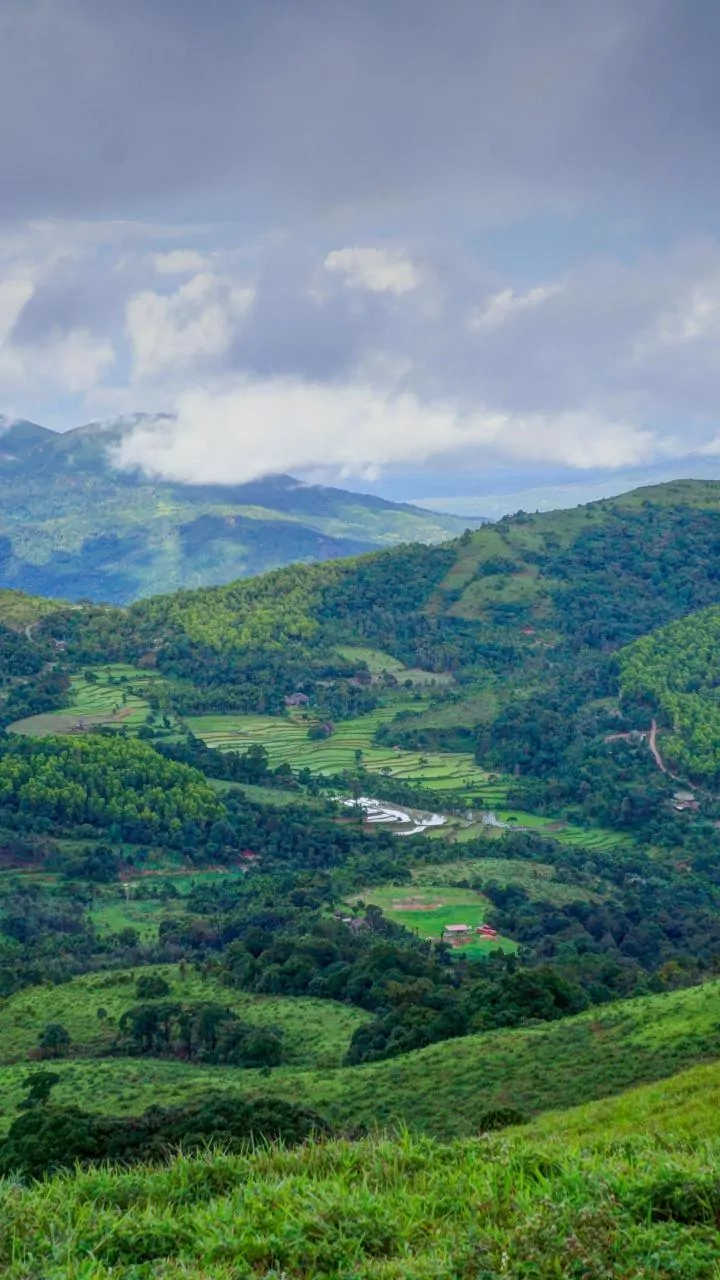
November is an excellent time to visit both destinations as the monsoon has retreated, leaving behind lush landscapes. In Munnar, expect pleasant daytime temperatures around 15°C to 22°C. The air is fresh, the scenery is vibrant green, and while there's a chance of light showers or morning mist, it generally adds to the romantic atmosphere. Ooty in November is typically cooler, with daytime highs around 20°C and nights dropping to about 12°C or even lower. The weather is perfect for sightseeing during the day, but you will need warm layers, especially for the evenings and early mornings. Ooty can also see some rain, but it's less intense than the main monsoon season.
The Sights: Tea Landscapes vs. Garden Vistas
Your choice might come down to what you want to see. Munnar's attractions are overwhelmingly natural and tied to its tea identity. Key sights include the sprawling tea gardens themselves, the Eravikulam National Park (home to the endangered Nilgiri Tahr), Mattupetty Dam, and viewpoints like Top Station. It’s a paradise for photographers and nature lovers. Ooty offers a more varied, checklist-style sightseeing experience. Highlights include the Government Botanical Gardens, the scenic Ooty Lake for boating, Doddabetta Peak for panoramic views, and the heritage Nilgiri Mountain Railway, a UNESCO World Heritage 'toy train'. These attractions make Ooty particularly appealing for families with children.
Who Is It For? Romantics or Families
Munnar's quiet, sprawling nature makes it a popular choice for couples and honeymooners seeking privacy and romantic walks through tea estates. The focus is on relaxation and soaking in the views rather than a packed itinerary. Ooty, with its gardens, boat club, and the famous toy train, is often considered more family-friendly. The centralised town makes it easier to navigate with children, and the variety of activities ensures there's something to keep everyone entertained. Of course, couples can enjoy Ooty's colonial charm and families can love Munnar's open spaces, but the general consensus leans this way.
Getting There: Accessibility and The Journey
Accessibility is a major differentiator. Ooty is easier to reach. The nearest major airport is in Coimbatore, about 85 km away. From there, it's a 3-4 hour drive. Ooty also has a railway connection via the heritage toy train from Mettupalayam, which itself is connected to major cities. Munnar has no airport or railway station. The closest airport is Cochin International Airport (COK), around 110 km away, followed by a scenic but winding 4-hour drive. The journey to Munnar is an experience in itself, with beautiful roadside waterfalls and spice gardens, but it is less direct than reaching Ooty.
The Final Verdict: How to Choose
Your decision should be based on your travel personality. Choose Munnar if your ideal trip involves waking up to misty tea gardens, enjoying long scenic drives, and prioritising natural beauty and tranquillity over a busy town centre. It's about the landscape. Choose Ooty if you want a classic hill station holiday with a mix of gardens, lakes, colonial history, and the unique experience of a heritage toy train. It offers more diverse, structured activities and is generally easier to get to. Both destinations are beautiful, but they offer two very different versions of a South Indian hill escape.