


As winter arrives, the desire to stay healthy is universal. While many foods are hailed as 'immunity boosters', it's crucial to understand their real role. A varied diet of seasonal produce supports your body, even if it can't prevent all illnesses.
The Myth of a Sickness-Proof Diet
Every
winter, we're told that certain foods can 'boost' our immunity and act as a shield against colds and flu. While a healthy diet is fundamental to a well-functioning immune system, no single food or nutrient can offer complete protection from getting sick. The immune system is incredibly complex, and its ability to fight off pathogens is influenced by sleep, stress, hygiene, and overall nutrition, not just one ingredient. Instead of searching for a magic bullet, the focus should be on consistently providing your body with a variety of nutrients through a balanced diet. This approach helps ensure your immune cells have the resources they need to function optimally when called upon.
Root Vegetables: The Winter Foundation
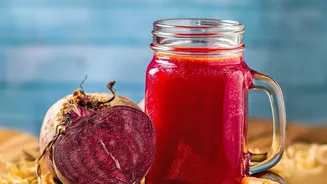
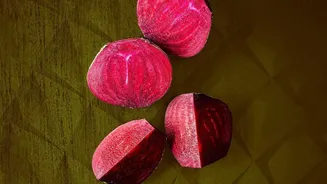
Winter is the season for hearty root vegetables, which form the foundation of many comforting Indian meals. Carrots, beetroot, sweet potatoes, radishes, and turnips are at their peak during these cooler months. Carrots are an excellent source of beta-carotene, which the body converts to vitamin A, a nutrient essential for maintaining the mucosal surfaces that act as a first line of defence in our nose and throat. Beetroot provides iron and antioxidants, supporting energy levels and overall wellness. Sweet potatoes offer fibre and complex carbohydrates for sustained energy. Roasting them brings out their natural sweetness, while adding them to stews and curries makes for a nourishing meal.
Glorious Greens: A Nutrient Powerhouse
The winter markets in India are vibrant with an abundance of leafy greens. Spinach (palak), fenugreek leaves (methi), and mustard greens (sarson) are staples for a reason. Sarson ka Saag is an iconic winter dish in the north, and for good reason—mustard greens are packed with vitamins A, C, and K. Spinach is a versatile green rich in iron and antioxidants, while fenugreek leaves are known for their warming properties in traditional food wisdom. These greens support overall health by providing essential vitamins and minerals that contribute to a well-functioning body.
Amla and Citrus: The Vitamin C Stars
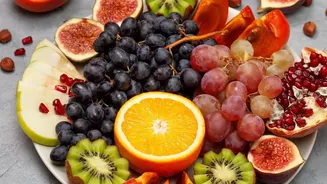
Winter brings a bounty of fruits rich in Vitamin C, a key nutrient for immune cell function. Amla, or the Indian gooseberry, is a potent source, containing significantly more Vitamin C than an orange. It has been used in Ayurvedic traditions for centuries to bolster the body's defences. Citrus fruits like oranges and kinnow also peak during this season, offering a refreshing way to get your daily dose of this important vitamin. While Vitamin C won't necessarily prevent a cold, it supports the production of antibodies and white blood cells, which are crucial for fighting off infections.
Grains and Spices for Warmth and Energy
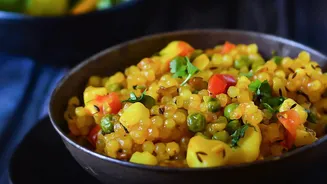
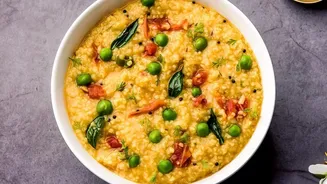
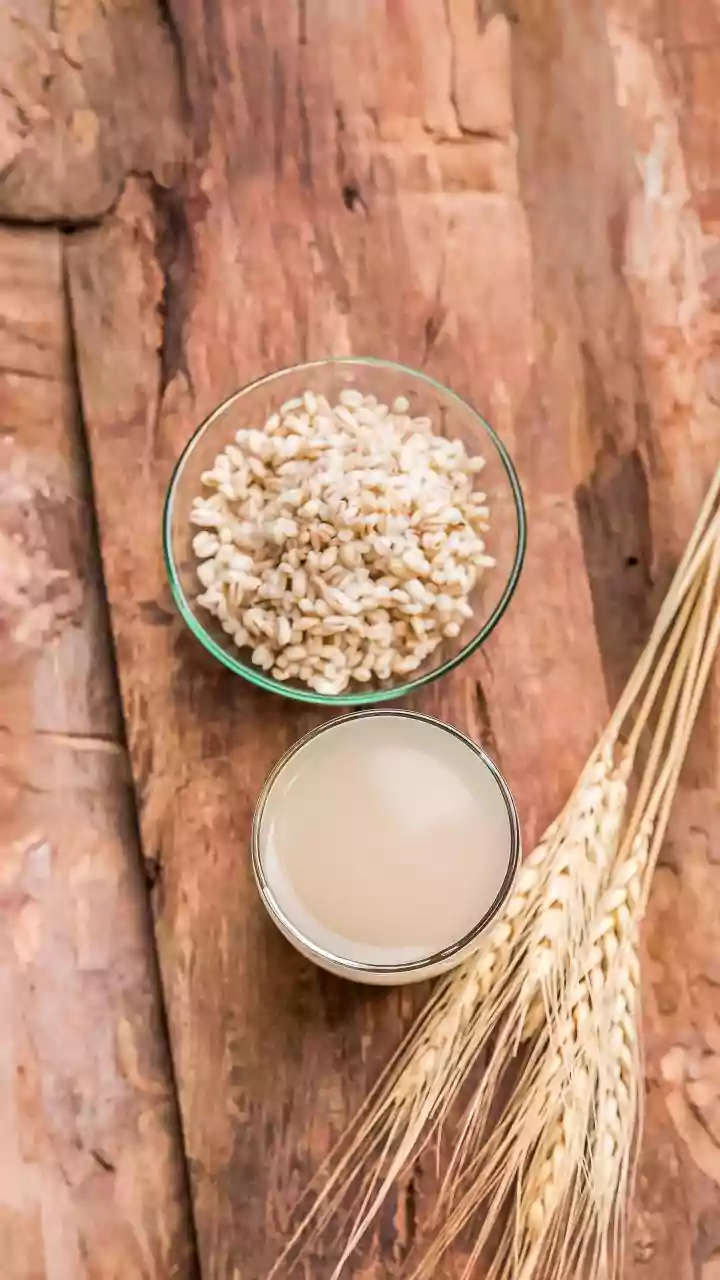
Traditional Indian winter diets often incorporate wholesome grains that provide sustained energy and a feeling of warmth. Millets like bajra (pearl millet) and jowar (sorghum) are fantastic choices. They are typically rich in fibre, iron, and magnesium, aiding in digestion and helping to regulate body temperature. Bajra rotis, paired with a dollop of ghee and seasonal vegetables, are a classic winter meal. Spices also play a crucial role. Ginger, turmeric, and cumin are known to improve circulation and aid digestion, adding flavour and function to your winter dishes.
Building Your Balanced Winter Plate
Creating a balanced plate is about variety and enjoyment, not restriction. Aim to fill half your plate with vegetables, incorporating a mix of roots and greens for a wide array of nutrients. A quarter of your plate should be a source of protein—like lentils, legumes, paneer, or eggs—which provides the building blocks for immune cells. The final quarter can be dedicated to whole grains like bajra, jowar, or whole wheat for sustained energy. Adding healthy fats from sources like ghee, nuts, and seeds helps nourish the skin and provides warmth. This approach ensures a diverse intake of vitamins, minerals, and antioxidants, which is the true secret to supporting your health through the winter.