



The Problem with Prolonged Sitting
Our bodies are designed for movement. When you sit for hours at a desk, your circulatory system faces a significant challenge: gravity. Your heart is excellent at pumping oxygen-rich blood down to your legs, but getting that blood back up is a different
story. Without movement, blood flow in the lower extremities slows down considerably. This can lead to blood pooling in the leg veins, which increases pressure on the vein walls and valves. Over time, this constant pressure can cause fluid to leak from the capillaries into the surrounding tissues, resulting in the tell-tale swelling (edema), heaviness, and discomfort many desk workers experience in their ankles and calves.
Meet Your 'Second Heart': The Calf Muscle Pump
To counter gravity and help blood return to the heart, your body has an ingenious mechanism often called the 'second heart' or the calf muscle pump. Your leg veins are nestled within your calf muscles (the gastrocnemius and soleus muscles). When you walk, these muscles contract and relax, squeezing the deep veins inside them. This squeezing action pushes the deoxygenated blood upward, from one section of the vein to the next. Tiny one-way valves inside the veins prevent the blood from flowing backward. This entire process is known as venous return, and it's absolutely crucial for maintaining healthy circulation and preventing blood from stagnating in your lower legs.
Why Walking Is the Perfect Activation Switch
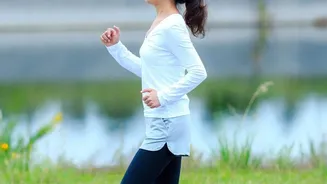
The calf muscle pump only works when you use it. When you're sitting still, your leg muscles are inactive, and this 'second heart' is effectively turned off. This is where short walking breaks become so powerful. Walking is the most direct and natural way to activate the calf muscle pump. With each step, you engage your calf muscles, which then squeeze the veins and propel blood upward, kickstarting venous return. This simple action reduces the pressure inside the veins, prevents blood from pooling, and helps clear the excess fluid that causes swelling. Even a few minutes of walking is enough to get this system working, making it an incredibly efficient way to counteract hours of sitting.
How to Make Walking Breaks Work for You
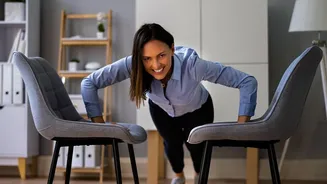
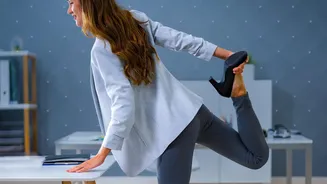
Integrating movement into your workday doesn't require a major overhaul of your schedule. The key is consistency and frequency. Experts often recommend taking a short activity break every 30 to 60 minutes. This could be a two- to five-minute walk to get water, visit a colleague, or simply stroll around the office. Setting a recurring timer can be a helpful reminder. If leaving your desk isn't possible, you can still activate your calf pump. Try doing seated ankle pumps (flexing and pointing your feet) or standing up for calf raises whenever you take a phone call. The goal is to interrupt long periods of inactivity and regularly remind your 'second heart' to get back to work.
Beyond Swelling: The Long-Term Benefits
While preventing daily swelling is an immediate and welcome benefit, the positive effects of regular walking breaks extend much further. By consistently supporting healthy circulation, you reduce the long-term strain on your vein walls and valves. This can help lower your risk of developing more serious venous issues over time, such as varicose veins, spider veins, or chronic venous insufficiency (CVI), a condition where the veins struggle to pump blood effectively. Furthermore, these 'exercise snacks' or 'microbreaks' are linked to improved focus, better mood, and reduced overall mental fatigue, making you more productive and feel better throughout the day.