

First, Get Your Permit
Before you even think about routes, you need an Inner Line Permit (ILP). This is a mandatory travel document for all domestic tourists entering Arunachal Pradesh. You can apply for it online through the official government portal (arunachalilp.com). The
process is straightforward: you'll need a photo ID and a passport-sized photograph. Make sure to list all the districts you plan to visit, as your permit is only valid for the locations you mention. The ILP is checked at state borders and various checkpoints within, so always have it ready. Foreign nationals require a separate Protected Area Permit (PAP), which usually has to be arranged through a registered tour operator.
Popular Offbeat Backpacking Circuits
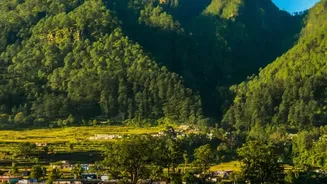
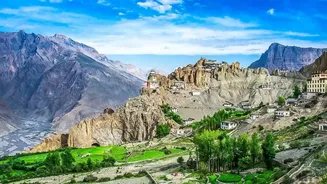
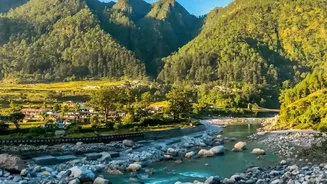
Arunachal is vast, with several established tourist circuits. For a more offbeat experience, consider routes that go beyond the main hubs. The Ziro Valley, famous for the Apatani tribe's unique culture, is a backpacker's haven with numerous homestays. The western circuit, including Bomdila, Dirang, and Tawang, is popular but has quieter offshoots like the Sangti Valley. For those seeking true remoteness, the route towards Mechuka in the Shi-Yomi district offers breathtaking landscapes and authentic village stays. Other routes to explore include the Pasighat-Jengging-Yingkiong corridor and the tranquil regions around Anini.
Finding Homestays: Online and Offline
In more established areas like Tawang, Ziro, and Dirang, you can find and book homestays on platforms like Airbnb, Goibibo, and Booking.com. However, many of the best, most affordable homestays on offbeat trails are not listed online. The Arunachal Pradesh Tourism department's official website provides some lists and contact numbers for registered homestays, which can be a good starting point. For instance, district-specific government websites, like for Lohit or Itanagar Capital Complex, often have dedicated pages with homestay details.
The Power of Local Networks
In Arunachal, word-of-mouth is often the most reliable tool. When you arrive in a town, ask your Sumo driver, a local shopkeeper, or the staff at a restaurant for recommendations. This is especially effective in smaller villages where tourism infrastructure is minimal. Local travel agents in larger towns like Itanagar, Ziro, or Tawang can also connect you with family-run places in more remote areas. They have the on-ground knowledge that websites lack. Engaging with locals not only helps you find a place to stay but often leads to invites for a home-cooked meal or a guided walk through the village.
Just Show Up: The Backpacker's Method
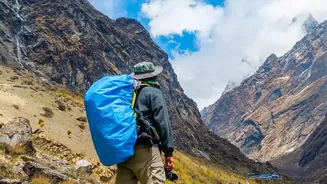
For many parts of rural Arunachal, the most common way to find a homestay is to simply arrive and ask. In villages along trekking routes or in places like Mechuka or Ziro, many families are open to hosting travellers. Look for simple signs or just approach a house and politely inquire. This method offers the most flexibility and spontaneity. The homestays might be basic, but they are clean, safe, and offer an unparalleled cultural immersion. This approach works best outside of peak seasons, like during the Ziro Festival of Music when pre-booking is essential.
What to Expect: Costs and Culture
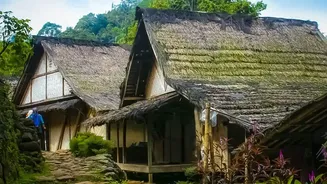
Homestays in Arunachal are incredibly affordable. Prices can range from ₹800 to ₹1,500 per night, often including simple, delicious home-cooked meals. In more remote areas, the price might be even lower. Don't expect luxury; you'll typically get a clean room, a comfortable bed, and often a shared bathroom. The real value is the experience: sharing stories with your host family, tasting local cuisine like Monpa dishes, and perhaps trying the local millet or rice beverage. Always be respectful of local customs, dress modestly, and ask for permission before photographing people or religious sites.