







Set Expectations Before You Go
A key part of a successful family safari happens before you even pack your bags. Talk to your children about what to expect. Explain that a safari isn't like a zoo; the animals are wild and might be hiding. This involves patience and quiet observation.
Build excitement by showing them photos or documentaries of the animals you might see. Frame the safari as a 'spotting game' or a 'jungle detective' mission. This helps manage their expectations, turning potential moments of boredom into part of the adventure. Discuss the rules, like staying in the vehicle and keeping voices low, so they understand the importance of safety from the outset.
Pack for Comfort and Engagement
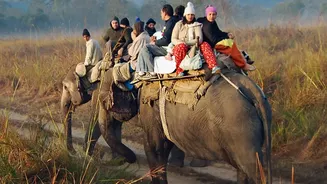
November in most Indian national parks brings pleasant days but chilly mornings and evenings. Layering is crucial. Pack warm jackets, beanies, and even a small blanket for those early starts, as children are more sensitive to the cold in an open vehicle. Beyond clothes, your packing list should include items to keep them engaged. A pair of kid-friendly binoculars can make them feel like real explorers. Create a simple checklist or a scrapbook with pictures of animals to tick off or draw. And never underestimate the power of snacks and water; 'hangry' children and long drives do not mix. Pack quiet, non-messy snacks to deploy during slow periods.
Prioritise Health and Safety
Health preparations are non-negotiable. Consult your doctor 4-6 weeks before your trip to ensure your child’s routine vaccinations are up-to-date and to discuss any specific immunisations needed for the region you're visiting, such as for Hepatitis A and Typhoid. Pack a dedicated first-aid kit for your child. This should include basics like antiseptic wipes, bandages, and pain relief, plus child-specific motion sickness medication for bumpy forest tracks. A reliable, child-safe insect repellent is also essential. Since you will be in remote areas, having emergency contact numbers for local medical facilities and your hotel is a prudent measure.
During the Safari: Keeping Spirits High
The safari itself is the main event, but a four-hour drive can test any child's patience. The key is to make the experience interactive. Let them hold the animal checklist or a (toy) camera to document their own 'discoveries'. Use the quieter moments to whisper stories about the forest or ask them what sounds they can hear. Guides are often full of fascinating facts, so encourage your kids to ask questions. It's also important to be flexible. If the kids are getting restless, it might be better to cut a drive short rather than push through. Many safari operators and lodges understand the needs of families and may offer shorter, child-focused drives.
Respecting the Rules of the Jungle
Teaching children to respect the wild is one of the most valuable lessons from a safari. Remind them gently to use their 'library voice' when animals are near and to keep all hands and feet inside the vehicle at all times. Explain that loud noises can scare the animals away, and sudden movements can be misinterpreted. The guide is the ultimate authority on safety; ensure your children understand that their instructions must be followed immediately. These rules aren't just for safety; they are about teaching a deeper respect for nature and its inhabitants, ensuring that the wildlife remains undisturbed by your presence.