


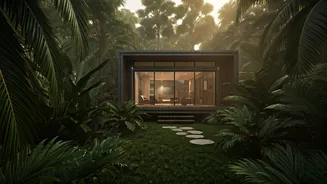


An Escape Above the Everyday
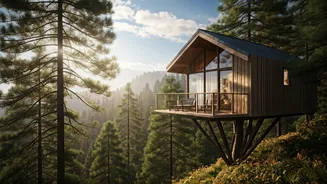
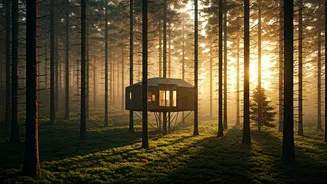
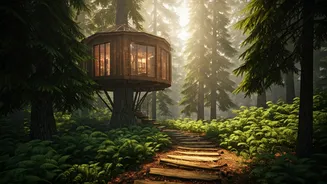
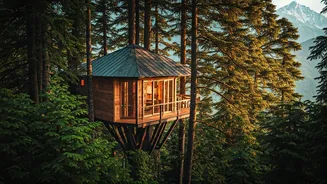
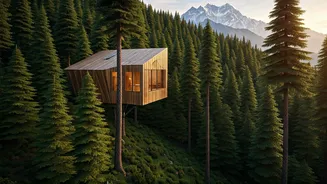
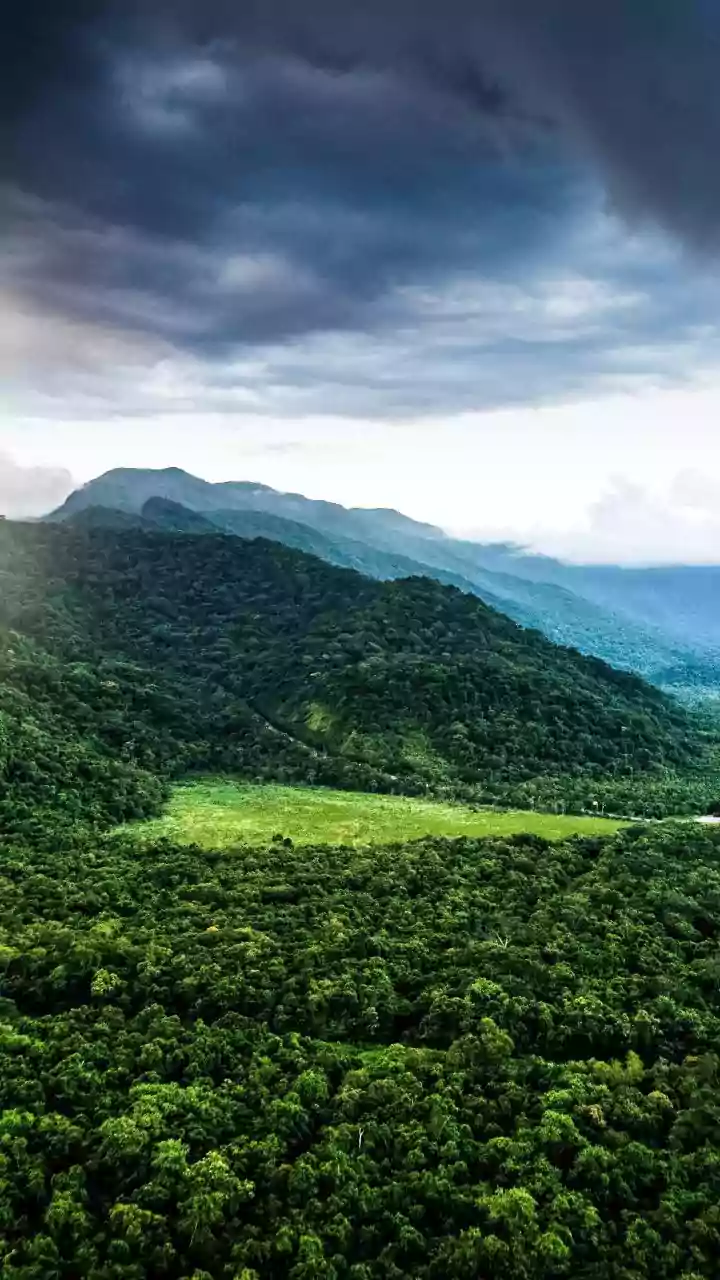
Forget sprawling concrete resorts. A new wave of hospitality is emerging in the Kumaon and Garhwal hills, one that invites you to live amongst the trees. Dotted across the pine-clad slopes near places like Mukteshwar, Jageshwar, and Nainital, architectural
marvels are appearing: treehouses. These are not the rustic, rickety structures of childhood memory but thoughtfully designed havens that offer comfort without disconnecting you from the wilderness. They represent a desire for a different kind of vacation—one that is slow, immersive, and fundamentally connected to the environment. Travellers are increasingly seeking experiences that offer solitude and a chance to reset, and these treetop sanctuaries provide just that, lifting you literally and figuratively above the noise of daily life.
Built with the Forest, Not on It
The term 'eco-friendly' is more than just a buzzword here; it's the guiding principle. The most authentic of these treehouses are constructed with a philosophy of minimal intervention. Builders prioritise local and natural materials like reclaimed pine, deodar wood, and bamboo, often sourced from the surrounding area. The designs are typically minimalist, focusing on function and framing the spectacular views rather than competing with them. Many of these properties operate off-grid, using solar panels for electricity and practicing rainwater harvesting to conserve precious water resources. Waste management is also a core focus, with an emphasis on composting and reducing plastic use. This approach ensures that the structures feel like a natural extension of the forest, coexisting with the ecosystem rather than imposing upon it.
A Room with a Himalayan Vista
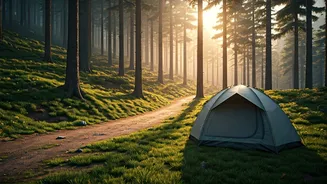
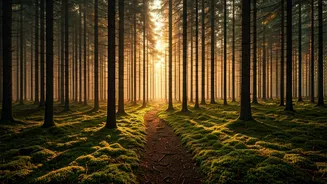
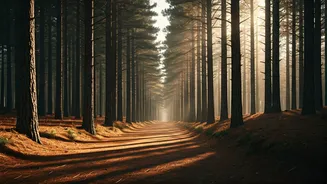
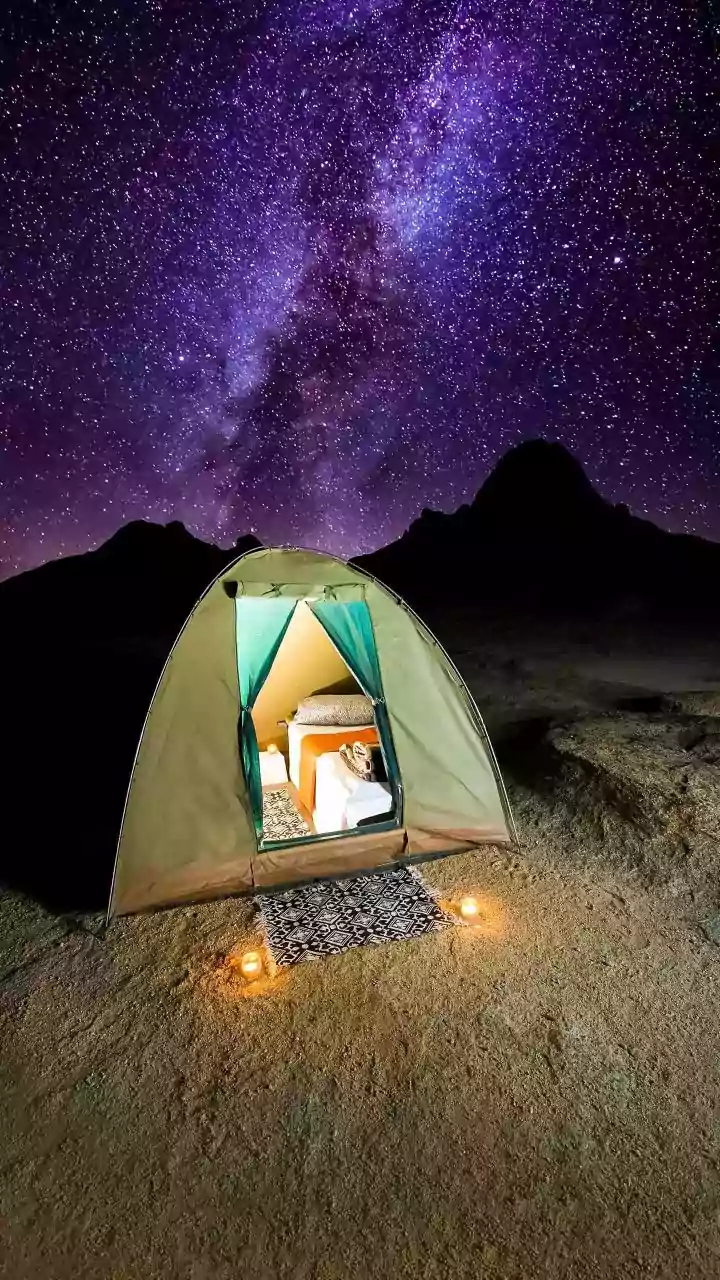
The experience of staying in a mountain treehouse is defined by its sensory richness. Mornings begin with the golden light of sunrise filtering through pine needles, casting dancing shadows on your wooden walls. Instead of an alarm clock, you are woken by a symphony of birdsong. A step out onto your private balcony reveals a breathtaking panorama of snow-capped peaks like Nanda Devi and Trishul. The air is crisp, clean, and filled with the earthy fragrance of the forest floor. Evenings are for stargazing, far from the light pollution of the cities, where the Milky Way unfolds in all its glory. It’s an intimate encounter with nature, where the barrier between indoors and outdoors feels beautifully blurred.
The Rhythm of the Hills
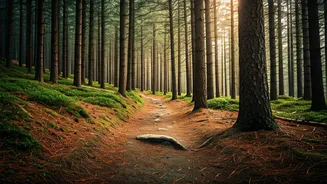
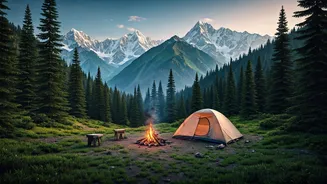
Life in a treehouse encourages you to slow down and embrace a simpler rhythm. Days are not dictated by packed itineraries but by the natural flow of time. You might spend your morning hiking through winding forest trails, discovering hidden waterfalls, and identifying local flora and fauna. Afternoons can be for reading a book on your balcony, with the gentle breeze as your only companion. Many of these stays are deeply integrated with local communities, offering guests a taste of authentic Kumaoni life. You can savour meals made from organic, locally sourced ingredients—think hearty dals, fresh vegetables, and millets like mandua. This community-centric model ensures that tourism benefits the local economy directly, creating a travel experience that is as responsible as it is rejuvenating.
Finding Your Treetop Sanctuary
While once a niche concept, eco-friendly treehouses are becoming more accessible. A simple search for 'sustainable stays' or 'treehouse homestays' in the Kumaon region of Uttarakhand will reveal a growing number of options. These range from single, owner-managed units to small clusters managed by eco-tourism collectives. Look for operators who are transparent about their sustainable practices and community engagement. Instead of luxury in the traditional sense, these places offer the priceless luxury of silence, spectacular views, and a genuine connection to the mountains. It’s an opportunity to not just see the Himalayas, but to live within them, even if just for a few magical days.