





What Exactly Are Ceramides?
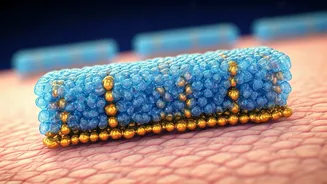
Let’s start with the basics. Ceramides aren’t a foreign chemical cooked up in a lab; they are lipids (fat molecules) that your skin produces naturally. In fact, they make up about 50% of your skin's outermost layer, the epidermis. The easiest way to think
about them is to imagine your skin cells are like bricks. The ceramides, along with other lipids like cholesterol and fatty acids, are the 'mortar' that holds these bricks together. Without this mortar, the wall would be weak, unstable, and full of gaps. In the same way, without sufficient ceramides, your skin barrier becomes compromised, leading to a host of problems we often blame on other things.
The Guardians of Your Skin Barrier
The term 'skin barrier' gets thrown around a lot, but its function is simple and vital: it has to keep the good stuff in and the bad stuff out. A healthy skin barrier, thanks to a strong ceramide matrix, locks in moisture, preventing the dreaded transepidermal water loss (TEWL) that leads to dryness and dehydration. At the same time, it acts as a protective shield against environmental aggressors. This is especially crucial in India, where our skin constantly battles pollution, harsh UV rays, and fluctuating humidity. When your barrier is strong, irritants and pollutants have a much harder time penetrating your skin and causing inflammation, redness, and sensitivity.
Why You Might Be Lacking Ceramides
If ceramides are so natural, why would we need to add more? Unfortunately, our natural ceramide levels don't stay constant. They begin to decline with age, starting as early as our 30s, which is a key reason skin tends to get drier over time. But age isn't the only culprit. Exposure to the sun, harsh weather conditions, and even using the wrong skincare products can strip your skin of these essential lipids. Over-exfoliating with strong acids or scrubs, or using foaming cleansers with harsh sulphates, can dismantle your skin’s delicate mortar, leaving it vulnerable and depleted. If your skin suddenly feels tight, irritated, flaky, or sensitive, a lack of ceramides could be a primary reason.
The Visible Benefits of Adding Them Back
Replenishing your skin’s ceramide levels topically can have a profound impact. The most immediate benefit is improved hydration. By reinforcing the skin barrier, ceramides help your skin hold onto water, leading to a plumper, smoother, and more supple feel. This isn't just a temporary fix; it's about restoring your skin's innate ability to hydrate itself. For those with sensitive or irritated skin, ceramides are a game-changer. They calm redness and reduce sensitivity by fortifying the skin's defences. They are also incredibly beneficial for managing chronic dry skin conditions like eczema and psoriasis, where the skin barrier is inherently compromised. In short, they create a foundation of health that allows other active ingredients in your routine, like Vitamin C or retinoids, to work more effectively with less irritation.
How to Choose and Use Ceramide Products
Incorporating ceramides into your routine is surprisingly easy because they are team players that work well with almost all other ingredients. You can find them in cleansers, serums, and, most commonly, moisturisers. A good ceramide moisturiser is often the best starting point for most people. When checking the ingredients list, look for terms like 'Ceramide NP', 'Ceramide AP', 'Ceramide EOP', or simply 'Ceramides'. Some products also contain phytosphingosine or sphingosine, which are precursors that help your skin produce its own ceramides. For best results, apply your ceramide product to damp skin to lock in extra hydration. You can use them both morning and night. They are gentle enough for all skin types, from oily and acne-prone to extremely dry and sensitive.