


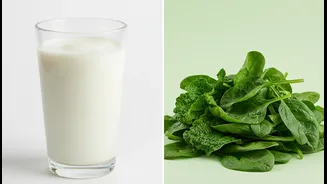


The Palak Paneer Paradox
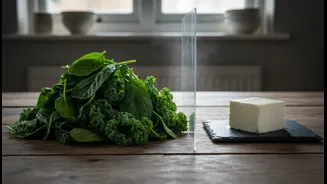
In kitchens across India, palak paneer is a beloved staple, celebrated for its taste and perceived health benefits. Spinach is packed with iron, and paneer is a great source of calcium. On paper, it sounds like a nutritional dream team. However, science
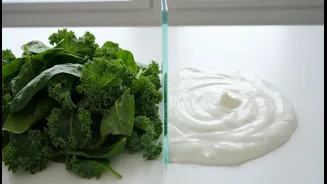
reveals a more complicated relationship. When calcium and iron are consumed together in significant amounts, they compete for absorption in your body. This means that the calcium from the paneer can hinder your body's ability to take in the iron from the spinach, and vice-versa, leading to diminished returns from your seemingly healthy meal.
The Science of Nutrient Competition
To understand this clash, think of your intestine as having specific gateways for nutrients to enter your bloodstream. Both calcium and iron vie for the same entry points. When a large amount of calcium arrives at the same time as iron, it effectively 'crowds out' the iron, reducing how much can get through. This applies to both types of dietary iron: heme iron (from animal sources) and non-heme iron (from plant sources like spinach). While your body absorbs heme iron more easily, high calcium intake can inhibit the absorption of both forms. This is why nutritionists often advise against taking iron and calcium supplements at the same time.
Spinach's Own Sabotage: The Oxalate Factor
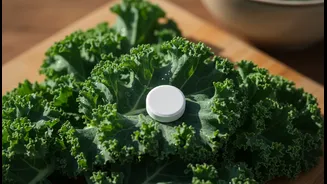
The issue is not just with the dairy. Spinach and many other leafy greens contain compounds called oxalates. Oxalates bind to minerals, particularly calcium, forming insoluble crystals that your body cannot absorb. This means that a significant portion of the calcium naturally present in spinach is already unavailable to your body. When you add more calcium from dairy, you're not just dealing with the iron competition, but also contending with the oxalates that further complicate mineral absorption. While cooking, such as boiling spinach, can reduce oxalate levels to some extent, it doesn't eliminate the issue entirely.
How to Maximise Your Nutrient Intake
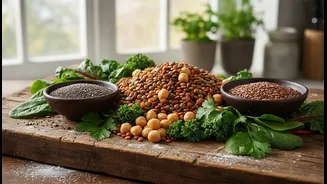
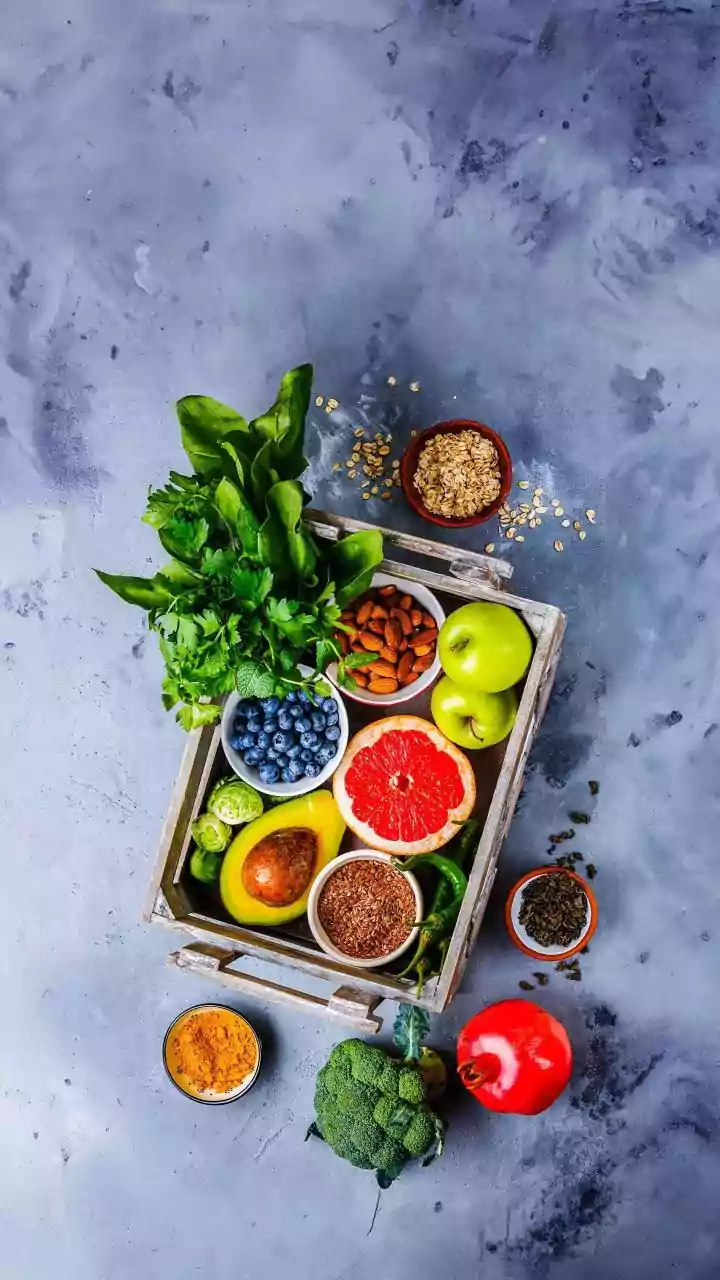
So, should you banish palak paneer from your diet? Not necessarily. The goal is not dietary perfection but mindful eating. While some nutritionists point to the significant inhibition, others argue that in the context of a balanced meal, the effect might be less pronounced than with high-dose supplements. To get the most out of your meals, consider these strategies. First, try to separate your high-calcium and high-iron meals by a few hours. For example, have your iron-rich dal or leafy greens for lunch and a glass of milk or a paneer dish for dinner. Second, pair your iron-rich plant foods with a source of Vitamin C. Vitamin C dramatically enhances the absorption of non-heme iron. Squeezing lemon juice over your spinach dish, or having it with a side of tomatoes, can make a huge difference. For a better iron boost from spinach, consider pairing it with potatoes or corn instead of paneer.