



Nolen Gurer Payesh from West Bengal
Forget regular kheer; winter in Bengal is incomplete without Nolen Gurer Payesh. This creamy rice pudding is sweetened not with sugar, but with nolen gur, a fresh date palm jaggery available only for a few weeks during the cold months. The jaggery imparts
a unique smoky, caramel-like flavour and a beautiful golden hue to the pudding. Made by slow-cooking fragrant Gobindobhog rice in milk until it thickens, this dish is the very essence of Bengali winter celebrations, especially during Poush Parbon (Makar Sankranti). The taste is subtle, earthy, and profoundly comforting, a true seasonal treasure that sugar simply cannot replicate.
Ponkh from Gujarat
Ponkh, also known as hurda in Maharashtra, is a hyperlocal and short-lived winter snack. These are tender, young green sorghum (jowar) grains, harvested only during the winter months. Traditionally, farmers would roast the freshly harvested cobs over a bonfire right in the fields, and then thresh the juicy, green grains by hand. This seasonal delicacy is often celebrated with 'ponkh parties' in rural Gujarat. The grains have a soft, juicy bite and a slightly sweet, fresh taste. They are typically served with a zesty, peppery sev and sometimes a sprinkle of sugar, offering a delightful mix of textures and flavours that is unique to the region's winter harvest.
Kafuli from Uttarakhand
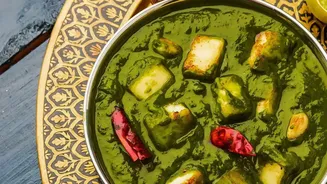
Hailing from the hills of Kumaon and Garhwal, Kafuli is the ultimate winter green curry. It’s a thick, nutritious gravy made primarily from spinach (palak) and fenugreek (methi) leaves, which are abundant during the colder months. The greens are blanched and then pureed, slow-cooked with spices like ginger, garlic, and cumin, and thickened with a slurry of rice or wheat flour. This process gives Kafuli its distinct creamy texture without the use of any cream or nuts. Traditionally cooked in an iron kadai, which enhances its flavour and iron content, it’s a warming, wholesome dish perfectly suited for the mountain chill, best enjoyed with hot steamed rice or mandwa ki roti (finger millet flatbread).
Bajra Raab from Rajasthan & Gujarat
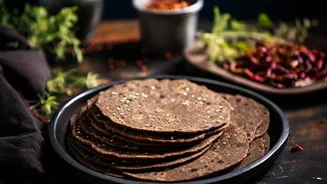
More than just a drink, Raab is a traditional winter elixir from the arid regions of Rajasthan and Gujarat. It’s a warm, thick, porridge-like beverage made from pearl millet (bajra) flour, ghee, ginger, and jaggery. Known for its immunity-boosting and warming properties, it has been a grandmother’s trusted home remedy for colds, coughs, and joint aches for generations. The combination of nutrient-dense bajra, energy-giving jaggery, and anti-inflammatory ginger makes it incredibly nourishing. Its rustic, earthy flavour is deeply comforting on a chilly day, providing instant energy and warmth from within.
Thakkali Rasam from South India
While rasam is a staple year-round, the specific Thakkali (Tomato) Rasam becomes an unsung hero during winter. This version is a simple, peppery, and tangy soup that is incredibly soothing for a sore throat or a cold. Made with a base of boiled tomatoes, its heat comes from freshly ground black pepper and cumin, which are known for their therapeutic properties. Unlike heavier soups, Thakkali Rasam is light, aids digestion, and provides instant comfort and warmth. It can be sipped on its own like a comforting broth or mixed with hot rice for a fulfilling, light meal that feels like a warm hug in a bowl.
Harira from North India
Harira is a rich, nutty, and highly nutritious drink traditionally prepared in parts of North India and Hyderabad during winter. It’s a warm, sweet concoction made by simmering milk with a paste of almonds and other nuts, often spiced with cardamom and sweetened with sugar or jaggery. While famously given to new mothers for energy and recovery, its warming and strengthening properties make it an excellent winter tonic for everyone. The ingredients, including dry fruits, ghee, and warming spices like dry ginger, help boost immunity and keep the body warm, making it a delicious way to fight off winter lethargy.
Singhare ki Sabzi from North India
Water chestnuts, or singhara, are a quintessential winter crop, and this simple sabzi showcases them beautifully. Instead of being eaten raw or as a flour, this dish uses boiled and peeled singhara, which are then cooked in a simple, flavourful gravy. The curry base is often made with tomatoes, ginger, and everyday spices, though some versions use a yogurt-based gravy for a tangy finish. The water chestnuts themselves have a unique texture—slightly crunchy yet tender—and a subtle sweetness that pairs wonderfully with the savoury masala. It’s a light, refreshing, and often-overlooked seasonal vegetable dish that deserves a place on the winter table.