


The Case Against the Supermarket Jar
Walk down any supermarket aisle and you'll find shelves of mango jams and spreads. They promise the taste of mango, but often deliver a sugary, gelatinous approximation. Many are made from concentrate, bulked up with artificial thickeners, and loaded
with preservatives to ensure a long shelf life. They lack the vibrant, complex notes of a truly ripe mango—the subtle tartness, the floral aroma, and the deep, sun-kissed sweetness. Making your own isn't just about being domestic; it's an act of flavour preservation. It's about choosing quality and celebrating an ingredient at its absolute peak.
Choosing Your Mangoes Wisely
The soul of your preserve is the fruit itself. Not all mangoes are created equal for this task. You’re looking for a variety that is both sweet and has a firm, non-fibrous flesh. In India, Alphonso (Hapus) mangoes are the gold standard for their rich flavour and creamy texture, making them perfect for preserves. Kesar is another excellent choice, known for its vibrant saffron colour and sweet taste. Look for fruit that is fragrant, gives slightly when pressed, and has unblemished skin. An overripe, mushy mango might be sweet, but it will result in a less-defined, pappy preserve. A slightly firm, ripe mango is the ideal candidate.
The 'Slow Churn' Philosophy
While 'slow churned' is often associated with ice cream, the philosophy behind it is perfect for preserves. It’s about a slow, patient cooking process. Instead of blasting the fruit with high heat to quickly reduce it, we simmer it gently. This patient approach does two things. First, it allows the sugars in the mango to caramelise slowly, adding layers of depth and complexity to the flavour. Second, it cooks off the water content gradually, concentrating the pure mango essence without scorching it. The 'churn' is your gentle, consistent stirring, which prevents sticking and breaks down the fruit into a luscious, smooth texture that still retains some character. This method honours the fruit, ensuring the final product tastes like a better, more intense version of the mango you started with.
Your Simple Preserve Recipe
This recipe is a foundation. Feel free to add a pinch of cardamom, a sliver of ginger, or a hint of saffron for your own signature twist.
Ingredients:
- 1 kg ripe, firm mangoes (about 4-5 medium ones)
- 500-600g sugar (adjust based on the sweetness of your mangoes)
- Juice of 1 large lemon (about 60 ml)
Method:
1. Prep the Fruit: Wash, peel, and chop the mangoes into small, 1-cm cubes. Discard the seed and skin.
2. Macerate: In a large, heavy-bottomed pot, combine the chopped mangoes and sugar. Stir gently and let it sit for about an hour. The sugar will draw out the natural juices from the fruit, creating a syrup. This step is crucial and prevents you from needing to add extra water.
3. The Slow Cook: Place the pot on a medium-low heat. As it heats up, stir continuously until the sugar has completely dissolved. Add the lemon juice—this not only adds a bright tang but also helps the preserve set, as its pectin works with the sugar and acid.
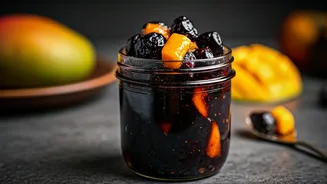
4. Simmer and Stir: Bring the mixture to a gentle simmer. Now, reduce the heat to low and let it cook for 45-60 minutes. Stir every 5-7 minutes to prevent it from catching at the bottom. The mixture will thicken, darken slightly in colour, and become glossy.
5. Test for Set: To check if it's ready, place a small plate in the freezer. Spoon a tiny amount of the preserve onto the cold plate and wait 30 seconds. Nudge it with your finger. If it wrinkles, it's ready. If it's still runny, cook for another 5-10 minutes and test again.
Jarring and Storing Your Liquid Gold
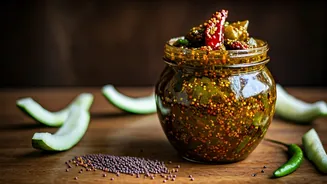
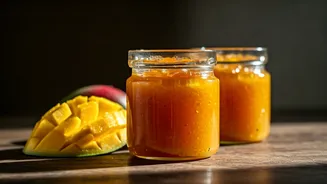
Proper storage is key to enjoying your preserves for months to come. You must use sterilised glass jars. To sterilise, wash jars and lids in hot, soapy water, rinse well, and place them on a baking tray in an oven set to 120°C for 15-20 minutes. Carefully ladle the hot preserve into the hot, sterilised jars, leaving about a centimetre of space at the top. Seal immediately with the sterilised lids. As the preserve cools, the lids will pop inwards, creating an airtight seal. Once opened, store the jar in the refrigerator and consume within a few weeks.