





Understanding the Power of NEAT
The secret lies in a concept called Non-Exercise Activity Thermogenesis, or NEAT. It’s a scientific term for the energy you burn doing everything that isn't sleeping, eating, or formal exercise. This includes all the small movements you make throughout
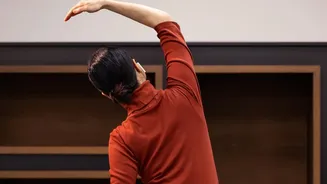
the day, like walking to the printer, tidying up your workspace, tapping your feet, or even shifting your posture in your chair. While each movement seems minor on its own, their cumulative effect can be substantial. Research has shown that the difference in daily calories burned through NEAT can vary by up to 2,000 calories between two people of similar size, largely due to differences in occupation and lifestyle habits. For desk workers, who often have low levels of NEAT, consciously increasing these small movements is a powerful tool to combat the negative effects of a sedentary day.
Why NEAT is a Game-Changer for Office Workers
Prolonged sitting is often called 'the new smoking' for a reason; it's linked to a higher risk of various health issues, even for those who exercise regularly. NEAT offers a practical solution by breaking up long periods of inactivity. It's not about replacing your gym routine but supplementing it. Increasing NEAT helps improve circulation, can reduce the risk of metabolic issues, enhances posture, and supports joint health by keeping muscles active. Studies suggest that lean individuals naturally move more throughout the day, often accumulating over two hours more of low-intensity activity than their sedentary counterparts. By making a conscious effort to move more, you can begin to bridge that gap and boost your daily energy expenditure significantly.
Embrace the Stand-Up Mentality
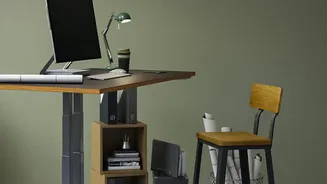
One of the most effective ways to increase NEAT is to simply stand up more often. Standing burns roughly 50 to 70 more calories per hour than sitting. If you have access to a standing desk, use it for portions of your day. If not, create standing triggers. Make it a rule to stand every time you take a phone call or during virtual meetings. You can also set a simple reminder to get up and stretch for a minute every half-hour. These small breaks from sitting interrupt sedentary patterns and keep your metabolism more active.
Turn Your Office into a Walking Track
Look for opportunities to walk whenever possible. Instead of sending an email or instant message to a colleague down the hall, walk over to their desk. When you need to go to the restroom or refill your water bottle, take the longest route. Pacing while you think or talk on the phone is another excellent habit. If you drive to work, park farther away from the entrance to get in some extra steps. And always opt for the stairs over the elevator; it's a built-in mini-workout that boosts cardiovascular health and burns calories.
Fidgeting is Your Friend
That nervous energy that makes you tap your feet or bounce your leg might actually be beneficial. Fidgeting is a classic example of NEAT. Research has shown that people who fidget can burn up to 350 extra calories per day compared to their still counterparts. Don't suppress the urge to move. Tap your feet to music, squeeze a stress ball, or simply shift your position frequently in your chair. These subtle movements keep your muscles engaged and contribute to your overall energy expenditure without distracting you from your work.
Make Your Workspace Active
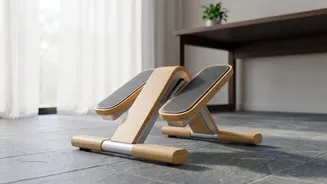
Beyond a standing desk, other tools can help you increase movement. A balance board, for example, encourages constant micro-movements to maintain your stability, engaging your core and leg muscles. You can also perform simple desk exercises during short breaks. Try seated leg extensions, neck rolls to relieve tension, or chair squats where you stand up and sit down a few times in a row. These simple exercises get your blood flowing and prevent the stiffness that comes from being locked in one position for too long.