




Why Protein Matters in the Morning
Starting your day with a protein-rich meal is more than just a wellness trend; it's a strategic way to set yourself up for success. Protein is crucial for repairing tissues and building muscle, but its morning benefits are particularly notable. A high-protein
breakfast helps increase satiety, meaning you feel fuller for longer, which can curb mid-morning cravings for unhealthy snacks. It also plays a key role in stabilising blood sugar levels, preventing the energy spikes and crashes often associated with carbohydrate-heavy breakfasts. For those with active lifestyles or fitness goals, a morning dose of protein is essential for muscle maintenance and recovery. By choosing plant-based sources like dals and legumes, you get these benefits along with fibre and essential micronutrients.
The Power of Dals and Legumes
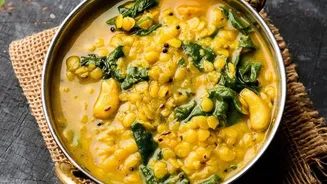
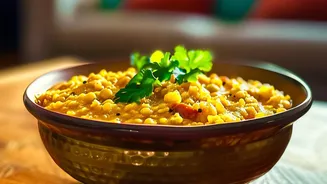
Dals (split lentils) and legumes (like chickpeas and beans) are the cornerstones of Indian vegetarian cuisine and nutritional powerhouses in their own right. Dry lentils and chickpeas contain a significant amount of protein, often ranging from 20 to 25 grams per 100g. When cooked, this translates to a substantial protein boost in any meal. Moong dal, for instance, is not only protein-rich but also easy to digest, making it an excellent breakfast ingredient. Besan, or chickpea flour, is another star, with about 22 grams of protein per 100g of dry flour. These ingredients are also packed with dietary fibre, which aids digestion and promotes gut health, and are naturally low in fat and free of cholesterol. Incorporating them into your breakfast is a time-honoured, effective way to meet your daily protein needs.
Moong Dal Chilla: The Golden Crepe
One of the most popular and nutritious egg-free breakfasts is the moong dal chilla. This savoury crepe is made from a batter of soaked yellow moong dal, ground with ginger, green chillies, and spices. A couple of chillas can provide around 11-13 grams of protein. They are light, easy to digest, and incredibly versatile. To make them even more nutritious, you can stuff them with grated paneer, crumbled tofu, or a mix of finely chopped vegetables. Served with a side of mint chutney or plain curd, moong dal chillas make for a complete and satisfying meal that provides sustained energy without feeling heavy.
Besan Chilla: The Quick and Savoury Pancake
Even quicker than its moong dal counterpart, the besan chilla (also known as 'pudla' in Gujarat) is a breakfast saviour for busy mornings. Made from besan (gram flour), water, and a mix of spices and herbs, the batter comes together in minutes. A typical serving of two chillas can offer 10-12 grams of protein. Like moong dal chillas, they are a fantastic vehicle for vegetables—finely chopped onions, tomatoes, capsicum, and fresh coriander are common additions that boost both flavour and nutritional value. Because besan is made from chana dal (a type of chickpea), these pancakes are naturally gluten-free and packed with protein and fibre.
Pesarattu: The Andhra Green Gram Dosa
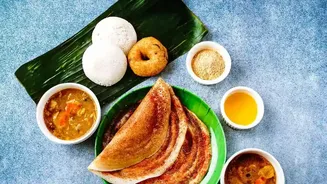
Hailing from Andhra Pradesh, Pesarattu is a crispy dosa made from whole green moong dal. Unlike a traditional rice-based dosa, Pesarattu batter doesn't require fermentation, meaning you can simply soak the lentils for a few hours, grind them, and cook. It boasts a higher protein and fibre content than a regular dosa, with a single medium-sized Pesarattu offering around 6-7 grams of protein. It has a distinct, earthy flavour and is often topped with chopped raw onions and served with a spicy ginger chutney (allam pachadi). For a truly classic and hearty meal, it's sometimes stuffed with a savoury upma, a variation known as MLA Pesarattu.
Sattu: The Bihari Superfood
Sattu, a flour made from roasted Bengal gram, is a celebrated superfood in Bihar, Jharkhand, and parts of Uttar Pradesh. It's an incredibly versatile and protein-rich ingredient perfect for quick breakfasts. The most common way to consume it is as a refreshing drink, or 'sherbet', by mixing the flour with water, black salt, and roasted cumin powder. For a more substantial meal, sattu can be used as a stuffing for parathas, providing a filling and flavourful breakfast that is rich in both protein and fibre. You can also make a savoury porridge or even a chilla with sattu flour, making it a valuable and convenient addition to any high-protein breakfast pantry.