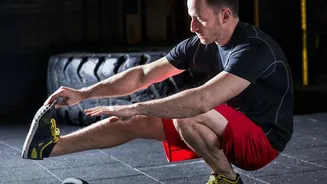


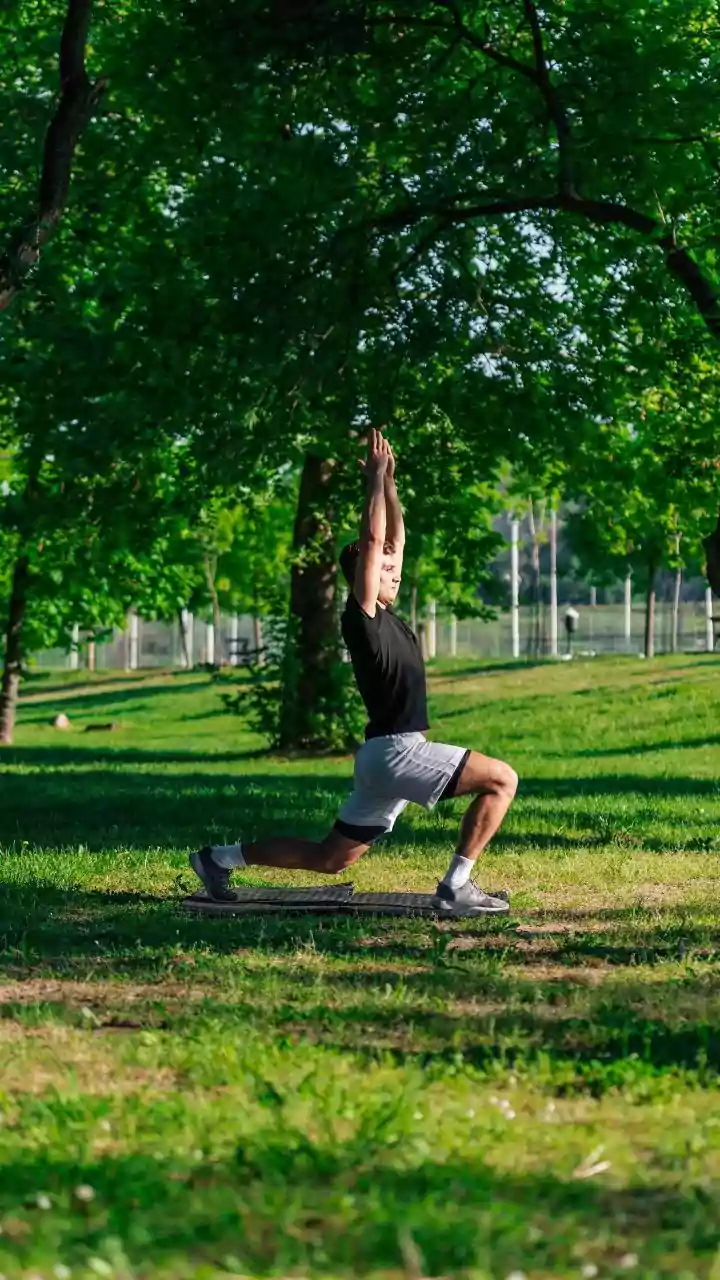




Flexibility: The Passive Stretch
Let’s start with the more familiar concept: flexibility. Think of flexibility as your muscles' ability to lengthen or stretch. It’s a passive quality. When you sit on the floor and reach for your toes, feeling that pull in your hamstrings, you are testing
your flexibility. It’s the capacity of your soft tissues—muscles, ligaments, and tendons—to elongate when an external force is applied, whether that's gravity, the floor, or you using a strap or your own hands to deepen a stretch. Good flexibility is essential for reducing muscle tightness, improving circulation, and maintaining good posture. It’s what allows your muscles to move freely and handle sudden movements, which can reduce the risk of strains and other injuries.
Mobility: Active, Controlled Movement
Mobility, on the other hand, is an active process. It is the ability of a joint to move actively through its full range of motion with control. It’s not just about how far your muscles can stretch (that’s flexibility), but how well you can control the movement around a joint. Mobility requires flexibility, but it also requires strength and stability. Think about performing a deep, controlled squat. This requires not just flexible hips, but also strength in your glutes, core, and legs to manage the movement from start to finish. This is mobility in action. It's about functional, real-world movement patterns like bending, reaching, and twisting with efficiency and control.
Why You Desperately Need Both
So, what's the big deal? You can be very flexible but have poor mobility. Imagine someone who can easily drop into the splits (high flexibility) but struggles to lift their leg high in a controlled kick (poor mobility). Their passive range of motion is great, but their active, controlled range is limited. This imbalance is where injuries often happen. Without mobility, your body may create compensatory movement patterns, putting stress on the wrong joints and muscles. Conversely, if you have strength but poor flexibility, your movements will be tight and restricted. A truly effective fitness plan addresses both. Flexibility allows for a greater range of motion, and mobility gives you the strength and control to use that range safely and effectively. Together, they enhance performance, reduce pain, improve posture, and lead to more sustainable, long-term fitness.
How to Improve Flexibility
Improving flexibility generally involves static stretching, where you hold a stretch for a period of time, typically 20-30 seconds, without bouncing. These are best performed when your muscles are warm, making them a perfect cool-down activity after a workout. Classic flexibility exercises include: Standing Hamstring Stretch: Stand with feet hip-width apart, hinge at your hips, and gently reach towards your toes until you feel a stretch in the back of your legs. Overhead Triceps Stretch: Reach one arm overhead, bend the elbow, and gently pull the elbow with your other hand to stretch the back of your arm. Side Bend Stretch: Stand tall and lean to one side, reaching your arm overhead to feel a stretch along the side of your body. Lying Quad Stretch: Lie on your side and pull your top foot towards your glutes to stretch the front of your thigh.
How to Boost Your Mobility
Mobility training involves dynamic movements that take your joints through their full range of motion. These exercises are fantastic as a warm-up because they increase blood flow and prepare the body for the workout ahead. Unlike static stretching, mobility work is about active, controlled movement. Some great mobility drills include: Cat-Cow: On your hands and knees, alternate between arching your spine towards the ceiling and dropping it towards the floor to mobilise the entire spine. Hip Circles: Standing on one leg, make large, slow circles with the other knee to open up the hip joint. Arm Circles: Make large, controlled circles with your arms, both forwards and backwards, to improve shoulder mobility. Dynamic Lunges: Step into a lunge and gently twist your torso towards your front leg, combining a stretch with active control.
Putting It All Together
A balanced routine doesn't have to be complicated. Dedicate 5-10 minutes before your workout to dynamic mobility exercises to prepare your body for movement. This will help you perform exercises with better form and reduce your risk of injury. Then, after your workout, spend another 5-10 minutes on static flexibility stretches as part of your cool-down. This will help reduce muscle soreness and improve your overall passive range of motion over time. You can also dedicate a separate day to focus purely on mobility and flexibility work, perhaps incorporating elements of yoga or a dedicated stretching routine.