




What Exactly Is a Tasting Flight?
At its heart, a tasting flight is a curated selection of small-portioned beverages, typically ranging from three to five different samples. This concept applies to a wide world of artisanal products, including craft beer, whiskey, wine, tequila, and even
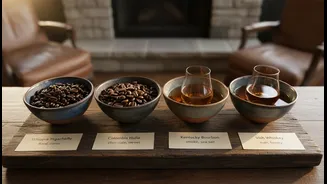
specialty coffee. Instead of committing to a single full-sized drink, a flight allows you to explore variety, compare nuances, and embark on a sensory exploration. The samples are presented on a special tray, often called a flight board or paddle, which is designed to hold the glasses securely and present them in a specific order. This setup is your map for the tasting journey ahead.
The Board: A Stage for the Senses
The flight board itself is more than just a functional carrier; it’s the stage upon which the tasting experience unfolds. Often crafted from materials like walnut, bamboo, or even slate, these boards are designed for both style and substance. Many modern flight boards feature small chalkboards, dry-erase strips, or card slots next to each glass. This isn't just for aesthetics. This is where the crucial information—the origin notes—is displayed. By providing a designated space for names, types, and crucial details, the board transforms from a simple tray into an interactive guide. It organises the experience, preventing confusion and allowing you to focus on what matters most: the flavour.
Decoding the Origin Notes
So, what are these 'origin notes' that connoisseurs find so crucial? They are concise descriptors that tell the story of what's in your glass. These notes are not added flavourings; they are the inherent characteristics derived from a product's journey from seed to cup or grain to glass. For a coffee flight, notes might include the country of origin (e.g., Ethiopia, Colombia), the altitude at which it was grown, the processing method (washed, natural, honey), and key flavour descriptors like 'citrus,' 'chocolatey,' or 'floral'. Similarly, a whiskey flight's notes might detail its region (e.g., Islay, Speyside), the type of grain, the barrel it was aged in, and its age, leading to flavours described as 'smoky,' 'vanilla,' or 'spicy.' These details are the genetic code of the flavour.
Connecting the Dots from Note to Palate
This is where the magic happens. A flight board with clear origin notes empowers you to connect what you read with what you taste. Knowing that a coffee is from Ethiopia, for instance, sets an expectation for bright, floral, or fruity notes, which are characteristic of the region. When you then sip it and detect a hint of jasmine or blueberry, the information provides context, turning a vague sensation into a moment of clear identification. The same principle applies to whiskey. If the notes say a scotch is from Islay and aged in sherry casks, you can anticipate a marriage of smoky peat and rich, dried fruit sweetness. The origin notes provide a flavour roadmap, helping you to notice and appreciate subtleties you might otherwise miss. It trains your palate to look for specific characteristics, making the tasting more intentional and rewarding.
A Tool for Mindful Enjoyment
Ultimately, the custom flight board is a tool for mindful consumption. It encourages a structured approach, often with a recommended tasting order from lightest to darkest or least to most intense, to prevent your palate from being overwhelmed. This guided progression allows you to appreciate the unique character of each sample without the flavours bleeding into one another. By combining curated samples with essential information, the flight experience moves beyond simple drinking. It becomes an educational, engaging, and deeply personal sensory journey. It’s an invitation to slow down, pay attention, and discover the incredible complexity hidden within your favourite beverages.