




The Great Escape from Urban Burnout
For years, the rhythm of life for many in India's tech sector was defined by long commutes, high-pressure deadlines, and the ceaseless hum of a metropolis like Bengaluru or Gurgaon. The concrete jungle, once a symbol of opportunity, began to feel more
like a cage. The pandemic-induced shift to remote work broke this spell, proving that productivity wasn't tied to a physical office. As companies adopted permanent hybrid or remote policies, a question arose: if you can work from anywhere, why stay in the most expensive and crowded places? This has led to a surge in 'workations'—blending work and leisure—with 45% of Indian travellers planning one in 2026. For many techies, it's a conscious choice to trade burnout for balance and redefine what a successful life looks like.
Adventure on the Clock
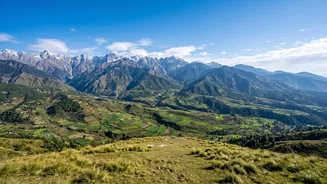
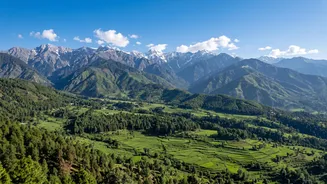
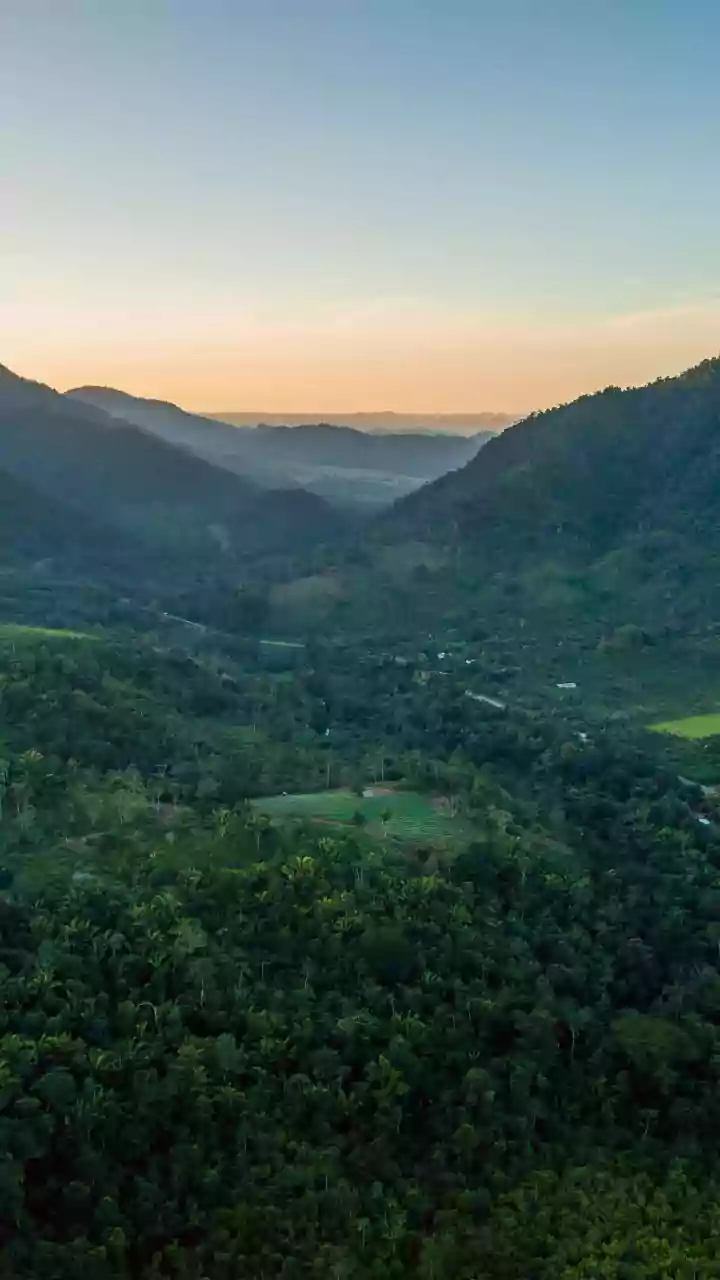
Bir Billing isn't just any mountain town; it's globally renowned as one of the best sites for paragliding. The thrill of launching into the sky with the Dhauladhar range as a backdrop is a powerful magnet. After a morning of coding and virtual meetings, techies can spend their afternoons soaring above the valley or trekking through pine forests. This easy access to adventure is a core part of Bir's appeal. It offers a visceral contrast to the passive entertainment of city life. The ability to seamlessly switch from a work call to chasing a sunset from a launch point provides a daily dose of adrenaline and awe, a combination that has proven highly effective in combating professional stress and monotony.
The Plug-and-Play Work Setup
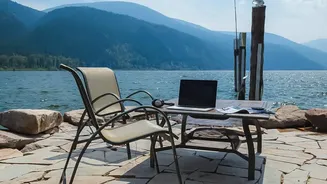
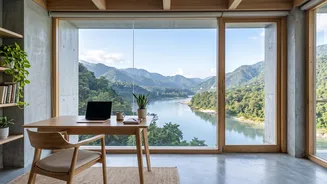
An idyllic location is worthless for a workation if the infrastructure can't support a demanding tech job. This is where Bir has successfully distinguished itself from other mountain getaways. The town now boasts widespread availability of high-speed fibre internet, with many hostels, cafes, and co-living spaces offering redundant connections and power backups to handle the region's unpredictable weather. Places like Karyashaala and Bir Nest are specifically designed for remote workers, providing dedicated workspaces alongside community living. This robust digital infrastructure means a software developer can confidently join a video conference or push code without fearing a connection drop, making the mountain office not just a dream but a practical reality.
Finding Your Tribe in the Hills
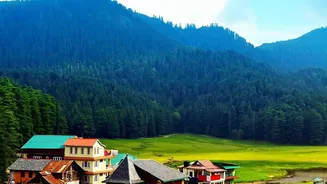
Perhaps the most surprising element of Bir's rise is the community it fosters. Far from being a solitary retreat, the town has a vibrant social fabric woven from the influx of creators, freelancers, and remote employees. Walkable streets connect a network of cosy cafes that double as informal workstations, where a conversation about a complex coding problem might flow into a plan for a weekend trek. This environment cultivates a unique blend of professional networking and genuine friendship. For techies who may have felt isolated even in a crowded city, Bir offers a sense of belonging built on shared values: a love for nature, a desire for a slower pace of life, and a common understanding of a deadline.
The Compelling Financial Logic
The decision to relocate, even temporarily, is often a financial one. Here, Bir presents a compelling case. The monthly cost of living is significantly lower than in India's major metro cities. A comfortable single professional's lifestyle in Bangalore could cost between ₹54,000 and ₹81,000 per month. In contrast, a month in Bir, including accommodation and food, can be managed within a budget of ₹20,000 to ₹40,000. Long-stay hostels and co-living spaces offer monthly rates that are a fraction of a single month's rent for a 1BHK in Mumbai or Bangalore. This financial freedom allows techies to save more, invest in experiences, and reduce the financial stress that often accompanies city living.