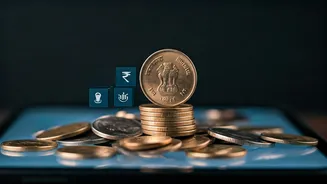









The Magic of Digital 'Chillar'
Remember the satisfaction of dropping leftover coins into a piggy bank, or 'gullak'? In a world dominated by digital payments, that physical 'chillar' has all but disappeared. Micro-saving apps that use the round-up method are the 21st-century answer
to this. The concept is simple: every time you make a purchase using UPI, the app rounds up the transaction amount to the nearest ₹10. For example, if you buy a coffee for ₹182, the app will 'round it up' to ₹190 and set aside the difference of ₹8. This spare change, which you’d barely miss, is then automatically invested on your behalf. It’s a classic saving technique reimagined for the digital age, turning the dust of your daily spending into a growing asset.
How UPI Powers the Process
The secret sauce behind this seamless experience is the Unified Payments Interface (UPI). These micro-saving apps integrate with your phone's SMS inbox to read transaction messages from your bank. They don't have access to your bank account or sensitive data; they simply read the debited amount and the merchant's name from the notification SMS that your bank sends. Once you grant the app permission, it tracks your UPI spends. After accumulating a certain amount of rounded-up change (for example, ₹100), the app initiates an auto-debit from your linked bank account using a UPI mandate you approved during setup. This process is secure and user-approved, making the entire investment cycle happen in the background with zero manual effort required after the initial setup.
Where Does Your Spare Change Go?
So, what happens to these small, collected sums of ₹5, ₹8, or ₹2? The most common destination for these funds is digital gold. This is because gold is highly divisible, allowing you to buy fractions of a gram for as little as ₹1. It’s a relatively stable and understood asset class in India, making it an accessible entry point for new investors. Some platforms are also expanding their offerings to include other investment options, such as liquid mutual funds or even curated baskets of stocks. The key is that the underlying asset is liquid and can be purchased in tiny increments, perfectly matching the micro-saving model. The app handles the purchase, and you can track your accumulated gold or other assets directly within its interface.
The Benefits of Effortless Investing
The primary appeal of these tools lies in their psychology. They remove the biggest barriers to investing: the feeling that you don't have 'enough' money to start and the inertia of actually doing it. By automating the process, they help build a consistent saving and investing habit without requiring willpower. You 'set it and forget it.' Over time, the power of compounding can turn these tiny, seemingly insignificant amounts into a substantial corpus. It’s an excellent way for young professionals, students, and gig economy workers to dip their toes into the world of investing. It gamifies saving, providing a sense of accomplishment as you watch your digital pot of gold grow from your daily expenses.
What to Look For and Watch Out For
While these apps are powerful tools, it’s important to be a savvy user. First, check for any platform fees or commissions. While many offer free services, they might have hidden charges or markups on the asset price (like the spread on digital gold). Second, verify the security of the platform and where your assets are stored. Reputable apps partner with trusted entities to hold the digital gold or manage the mutual funds. Finally, understand that this is a supplementary savings tool, not a complete financial plan. The value of your investment, especially in gold, can fluctuate. It’s perfect for getting started and building discipline, but it should not replace your long-term, goal-oriented investments like SIPs in equity mutual funds for major life goals.