






The Unstoppable Rise of Streaming
The single biggest driver of this newfound flexibility is the boom in Over-the-Top (OTT) streaming services. Platforms like Netflix, Amazon Prime Video, and JioHotstar have fundamentally altered viewing habits. The convenience of on-demand access allows
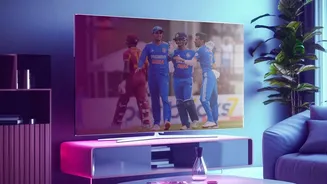
viewers to seamlessly fit entertainment into their lives, a stark contrast to the fixed schedules of traditional television and cinema. Fueled by affordable 5G data and widespread smartphone penetration, streaming has moved from a niche luxury to a mainstream phenomenon. This shift is so profound that it has led to a noticeable decline in traditional TV viewership as audiences migrate to digital platforms for their daily dose of entertainment.
The Shrinking Theatrical Window
Another key factor is the dramatic shortening of the exclusive theatrical window—the period when a film can only be seen in cinemas. What used to be a standard of eight weeks or more has often shrunk to just four. This rapid transition to streaming platforms has trained audiences, who now know they can watch many new releases from the comfort of their homes within a month. While exhibitors and multiplex associations are pushing back to enforce a longer, eight-week window to protect their business, the trend of quicker digital releases has already changed consumer expectations. This has created a dynamic tension between producers who benefit from quick OTT deals and theatre owners who rely on exclusivity to drive footfalls.
New Models for a New Audience
Beyond all-you-can-stream subscriptions, new models are emerging. Transactional-Video-on-Demand (TVoD), or pay-per-view, allows consumers to rent or buy a specific movie, often a blockbuster, shortly after its theatrical run. While still a niche market in India compared to subscriptions, it offers an alternative for viewers who don't want to commit to another monthly fee but are willing to pay for early access to a big film. This model represents another layer of choice, catering to different budgets and viewing preferences, and giving content owners another way to maximize a film's value. The industry is also experimenting with hybrid releases, though the dominant trend is moving back towards a theatre-first strategy, especially for big-budget spectacles.
The Power of Choice and Convenience
Ultimately, this flexibility is a response to evolving audience demands. The modern Indian viewer prioritizes convenience, choice, and value. The economics often favour staying home; a family outing to a multiplex can cost significantly more than an entire year's subscription to a major streaming service. OTT platforms have also democratized access to a vast library of content, including regional and international cinema with subtitles and dubbing options, broadening viewer tastes. This access to global content has created a more discerning audience that demands fresh, original storytelling over formulaic plots. The power has shifted, and viewers now have more control than ever over what they watch.
How Cinemas Are Fighting Back
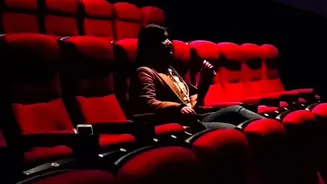
This doesn't spell the end for movie theatres. Instead, cinemas are repositioning themselves as destinations for premium, event-level experiences that cannot be replicated at home. Exhibitors are investing in immersive technologies like superior sound systems and large-format screens to make the theatrical outing a special occasion. The strategy is becoming clear: while mid-budget, story-driven films may find their primary audience on streaming platforms, cinemas will thrive by becoming the exclusive home for high-octane, VFX-heavy blockbusters. For these spectacle films, the grand scale, powerful sound, and collective emotion of a theatre visit remain an unmatched experience.