
The Unifying Thread: Milk and Butter
No matter where you celebrate Janmashtami in India, some ingredients are constant, tying the festival directly to Krishna’s childhood in Braj. His legendary love for milk, curd, and freshly churned butter (makhan) makes dairy the emotional and culinary
centre of the celebration. Panchamrit, a sacred mix of milk, curd, ghee, honey, and sugar, is a common offering used in rituals. Similarly, Makhan Mishri, a simple and beloved preparation of fresh white butter mixed with sugar crystals, is almost universally offered as bhog, evoking the image of the mischievous young Krishna. These dairy-based preparations are a direct nod to his upbringing as a cowherd and form the foundational flavour of the festival everywhere.
Northern Grandeur: The Chappan Bhog
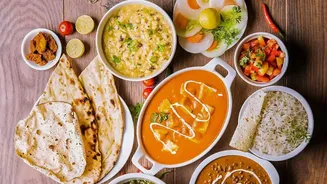
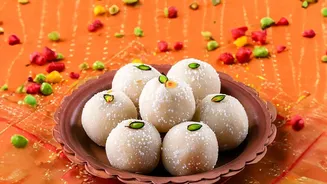
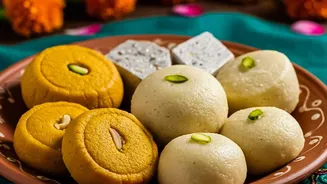
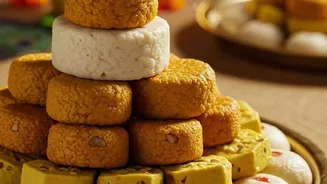
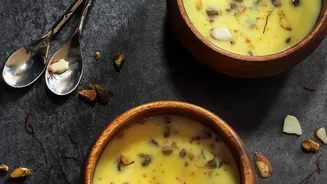
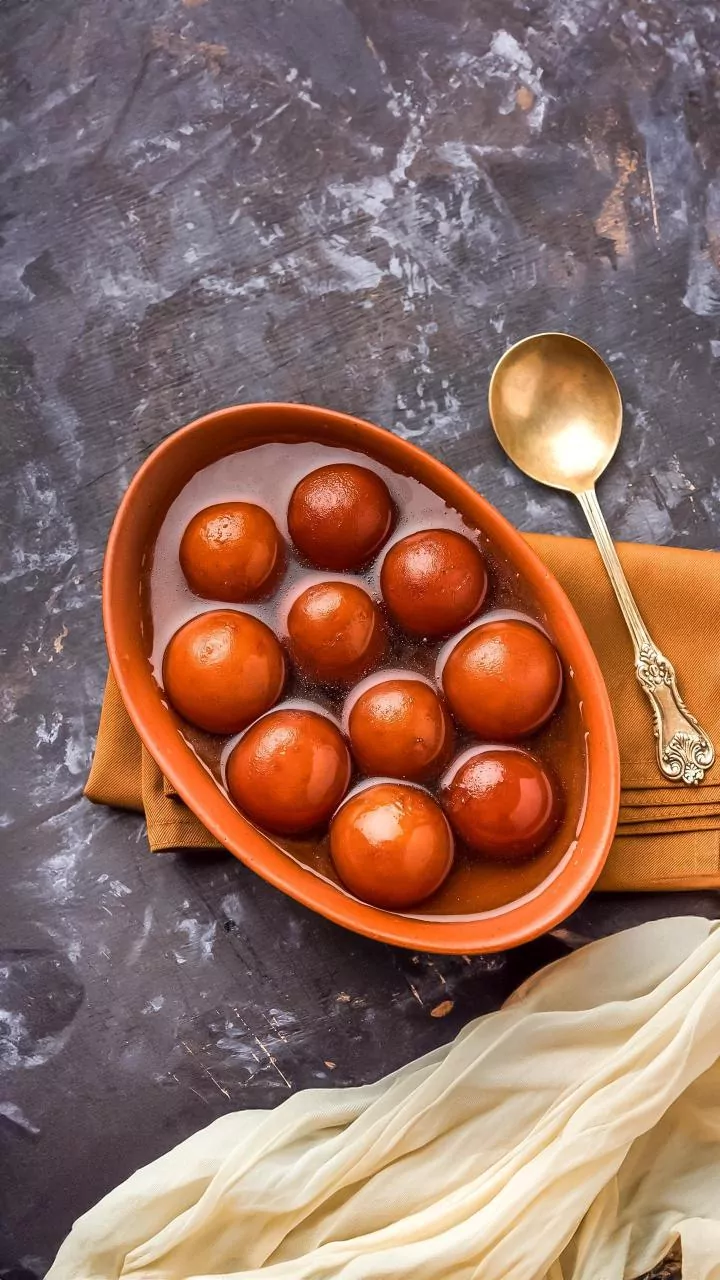
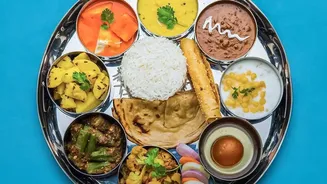
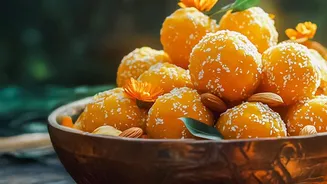
In North India, particularly in the Braj region of Uttar Pradesh where Krishna was born and raised, Janmashtami is celebrated with unmatched grandeur. The pinnacle of this is the Chappan Bhog, a lavish offering of 56 distinct food items. This tradition is said to originate from the story of Krishna lifting the Govardhan Hill for seven days, during which he missed his eight daily meals. The villagers, in gratitude, prepared 56 dishes (7 days x 8 meals) to compensate. While few homes prepare all 56 items, the bhog typically includes an array of sweets, savouries, grains, fruits, and drinks. Key dishes include Dhaniya Panjiri, a unique prasad made from roasted coriander powder, ghee, and nuts, often prepared for those fasting from grains. Makhana Paag (fox nuts in sugar syrup) and various laddoos and kheer preparations are also central to the feast.
Western Simplicity: Maharashtra’s Gopalkala
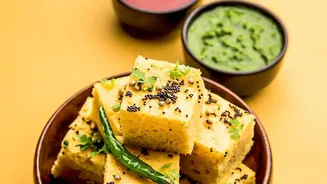
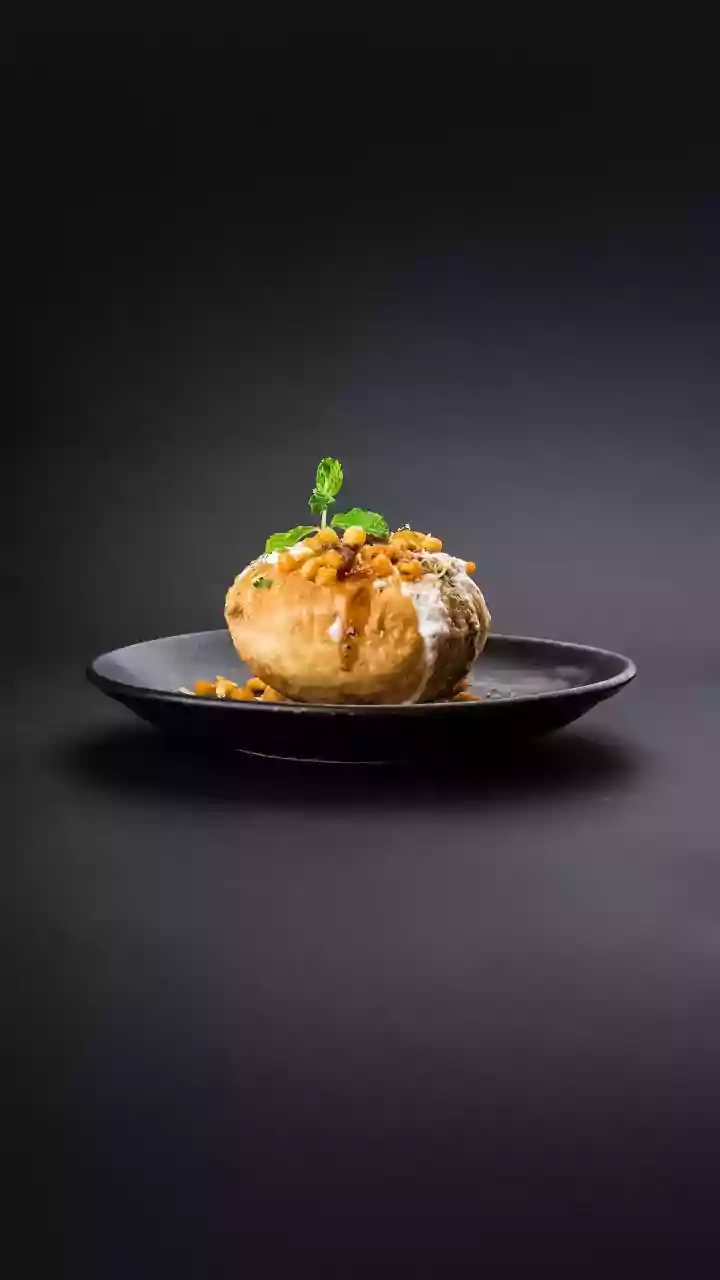
In Maharashtra, the festival, known as Gokulashtami, is synonymous with the energetic Dahi Handi celebrations. The food that defines this day is Gopalkala, a simple yet profoundly symbolic dish. It’s a savoury mixture of soaked poha (flattened rice), curd, cucumber, coconut, peanuts, and mild spices. Gopalkala requires no cooking and is meant to be prepared potluck-style, with community members contributing different ingredients. This tradition beautifully commemorates the story of Krishna sharing food with his cowherd friends in the fields, where everyone would pool their tiffins to create a single, shared meal. The dish represents humility, equality, and togetherness, making it a unique culinary expression of the festival's spirit.
Eastern Delights: Bengal’s Seasonal Sweets
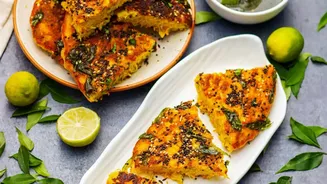
Moving east to West Bengal and Odisha, Janmashtami celebrations are sweetened with regional delicacies that highlight the local harvest. The star of the Bengali Janmashtami menu is Taler Bora, or sugar palm fritters. The Asian palmyra palm fruit ripens during this time, making its inclusion a perfect example of seasonal, ecological devotion. The fruit's pulp is mixed with rice flour, coconut, and jaggery before being deep-fried into fragrant, golden-brown fritters. These sweets are so integral to the festival that the day after Janmashtami is sometimes called Tal Nabami. It’s a delicious reminder of how local produce finds its way into sacred offerings, weaving regional identity into a pan-Indian festival.
Southern Savouries: The Crunch of Seedai and Murukku
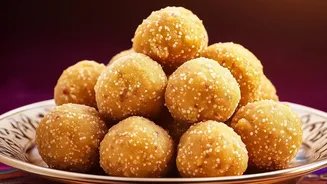
In South India, especially in Tamil Nadu and Kerala, the festival (known as Gokulashtami or Sri Krishna Jayanthi) features a delightful array of fried, savoury snacks. Instead of elaborate sweet spreads, the focus is on meticulously prepared items like Uppu Seedai (savoury rice flour balls) and Vella Seedai (their sweet jaggery-based counterpart). These tiny, crunchy balls are made from rice flour, urad dal flour, coconut, and sesame seeds. Alongside Seedai, other snacks like Thattai (crispy rice flour discs) and Murukku are also prepared. A beautiful tradition in many homes is to draw tiny footprints with rice flour paste, leading from the entrance to the prayer room, symbolizing the infant Krishna's arrival.
The Reason for Variety: A Taste of Local Life
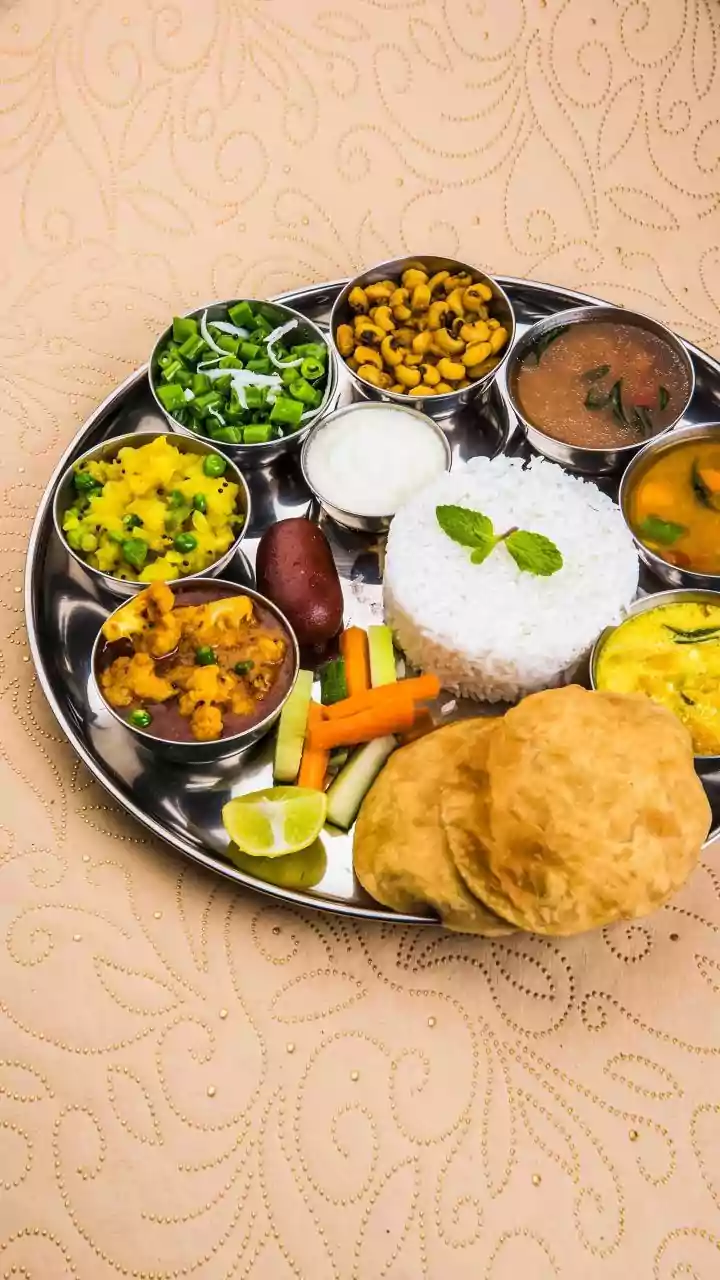
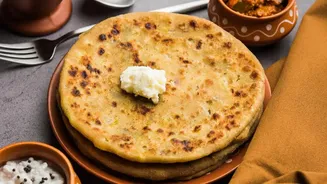
So why does the menu change so dramatically from one region to another? The answer lies in a combination of local agriculture, climate, and culture. The dishes prepared are a direct reflection of what is grown and readily available in each region. Northern plains, rich in wheat and dairy, celebrate with milk-based sweets and breads. Coastal Maharashtra uses poha and coconut, staples of the region. Bengal's monsoon season brings the ripe palm fruit, making Taler Bora a natural choice. The rice-dominant South naturally gravitates towards snacks made from rice flour. Ultimately, Janmashtami food is a beautiful expression of making an offering with what one has. It shows that devotion isn’t about a single, rigid recipe but about using the best of one's own land and heritage to celebrate a universal story.