






The Viral Appeal of the Open Road
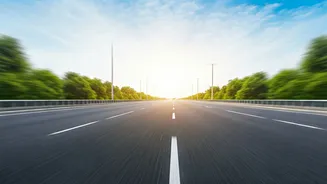
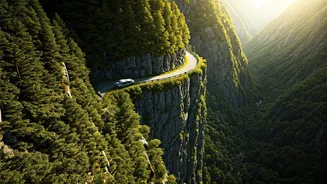
A scroll through Instagram or YouTube Shorts reveals a popular and growing trend: creating short-form videos on scenic highways and hilly roads. From dancing on the tarmac to performing stunts on moving vehicles, creators are using these beautiful backdrops
to capture eye-catching content. The allure is undeniable—the dramatic curves of a mountain pass or the seemingly empty stretch of a new expressway provide a cinematic quality that is hard to replicate. The goal is simple: create a video that stands out, garners likes and shares, and potentially goes viral. This push for engagement often leads creators to take bigger risks for more dramatic footage, normalising recklessness and repackaging it as content for millions to see.
From Likes to Life-Threatening Risks
The pursuit of the perfect shot is proving to be a deadly gamble. The very act of filming on a road is fraught with danger. Creators become so engrossed in their performance—dancing, walking, or posing for the camera—that they lose awareness of their surroundings. Tragic incidents across the country serve as grim reminders of this risk. In one recent case, an 18-year-old was killed and two of his friends were injured when they were struck by a truck while filming a reel on the Delhi-Mumbai Expressway. They were so focused on recording that they failed to notice the approaching vehicle until it was too late. This is not an isolated event; similar accidents have occurred, including one where a man speeding at 150 km/h while recording for Instagram crashed, resulting in two fatalities. These incidents highlight a disturbing reality where the quest for online validation directly leads to real-world tragedy.
A Nationwide Nuisance and Danger
This dangerous trend isn't confined to one region. Police departments across India are increasingly cracking down on this behaviour. In Gurugram, police initiated a special campaign to penalise motorists making videos while driving, noting that a popular road for reels was also the site of numerous accidents and fatalities. In Delhi, police have booked and fined several 'reelmakers' for obstructing traffic and performing dangerous stunts. Law enforcement officials note that these creators not only endanger themselves but also pose a significant threat to other commuters. A recent video captured a man hanging out of a speeding auto-rickshaw for a reel, only to crash into an elderly cyclist and knock him to the ground. This ripple effect turns a personal stunt into a public menace.
Cracking Down on Reckless Content
In response to the growing problem, authorities are taking a firm stance. Police forces have intensified cyber patrols to track social media accounts promoting dangerous driving and are booking individuals involved. Fines are being issued for dangerous driving, speeding, and other violations captured in these videos. The issue has become so pervasive that it has drawn attention at the highest levels, with political leaders cautioning against such indiscipline, particularly among uniformed personnel. Some police departments have even been forced to issue strict social media policies for their own staff after officers were found making entertainment reels in uniform. The message from authorities is clear: public roads are for transit, not for creating content at the expense of safety.
Create Content, Not Catastrophe
The desire to capture and share beautiful moments is understandable, but it should never come at the cost of human life. There are safer ways to create compelling content. Creators can use designated viewpoints, pull over in safe, marked parking areas, and use parks or private properties (with permission) for their shoots. The most crucial step is to shift the mindset from 'getting the shot at any cost' to prioritizing personal and public safety above all else. Before hitting record, one must be aware of traffic, a safe distance from moving vehicles, and stable footing. A viral video is temporary, but the consequences of a serious accident are permanent. Responsible content creation involves respecting public spaces and ensuring that no one is put in harm's way for the sake of a few seconds of footage.