

Rushing the Roasting Process
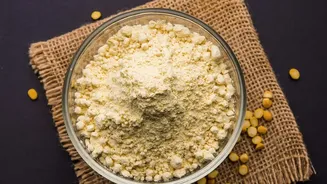
Patience is the secret ingredient to perfect besan ladoo. Roasting the gram flour (besan) is the single most critical step, and it cannot be rushed. Many cooks make the mistake of turning up the heat to speed things up. This is a fatal error, as high
heat will brown the outside of the flour particles while leaving the inside raw. The result is a ladoo that tastes raw, pasty, and sticks to the roof of your mouth. The correct method is to roast the besan on a consistent low to medium-low flame, stirring constantly. This process can take anywhere from 15 to 30 minutes, depending on the quantity and the pan. You'll know it's ready when the raw smell is gone, replaced by a rich, nutty aroma, the colour deepens to a beautiful golden brown, and the mixture loosens as it starts to release ghee.
Getting the Ghee Ratio Wrong
Ghee is what binds the ladoo and gives it that signature richness, but the amount has to be just right. Too little ghee will result in a dry, crumbly mixture that refuses to hold its shape. If you find your mixture is too dry while shaping, you can often fix it by adding a tablespoon or two of warm, melted ghee. Conversely, adding too much ghee is also a problem. It can make the mixture greasy, slippery, and too soft to form into balls. A common ratio is approximately half the weight of besan in ghee, for example, 100g of ghee for 200g of besan. Many experienced cooks recommend adding the ghee in batches rather than all at once, as it helps the flour roast more evenly and allows you to better control the final consistency.
Adding Sugar at the Wrong Temperature
This is another frequent and disastrous mistake. After you've patiently roasted the besan to perfection, you must let the mixture cool down. Adding sugar to a piping hot mixture will cause the sugar to melt instantly. This liquefies the mixture, making it watery, sticky, and impossible to shape. It can also cause the sugar to recrystallise as it cools, resulting in a brittle, grainy texture instead of a soft one. The ideal time to add the sugar is when the besan mixture has cooled to a lukewarm temperature, where it's just warm enough to touch. This allows the powdered sugar to integrate perfectly without dissolving, contributing to the ladoo's structure and soft bite.
Using the Wrong Type of Flour or Sugar
While you can make ladoos with standard fine besan, many traditional recipes call for a slightly coarser variety, often sold as 'ladoo besan' or 'mota besan'. This coarse grind provides a more desirable granular texture and helps prevent the ladoos from sticking to your palate. If you only have fine besan, some cooks suggest adding a tablespoon or two of semolina (rava) to achieve a similar effect. For the sugar, using granulated sugar straight from the packet will lead to a gritty, sandy texture. It's crucial to use finely powdered sugar. Traditionally, a special type of sugar called 'boora' or 'tagar' is used for the best texture, but grinding regular sugar into a fine powder at home works well. Just be sure to grind it finely so it blends seamlessly into the mixture.
Improper Shaping and Cooling
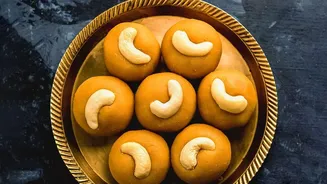
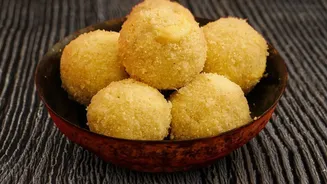
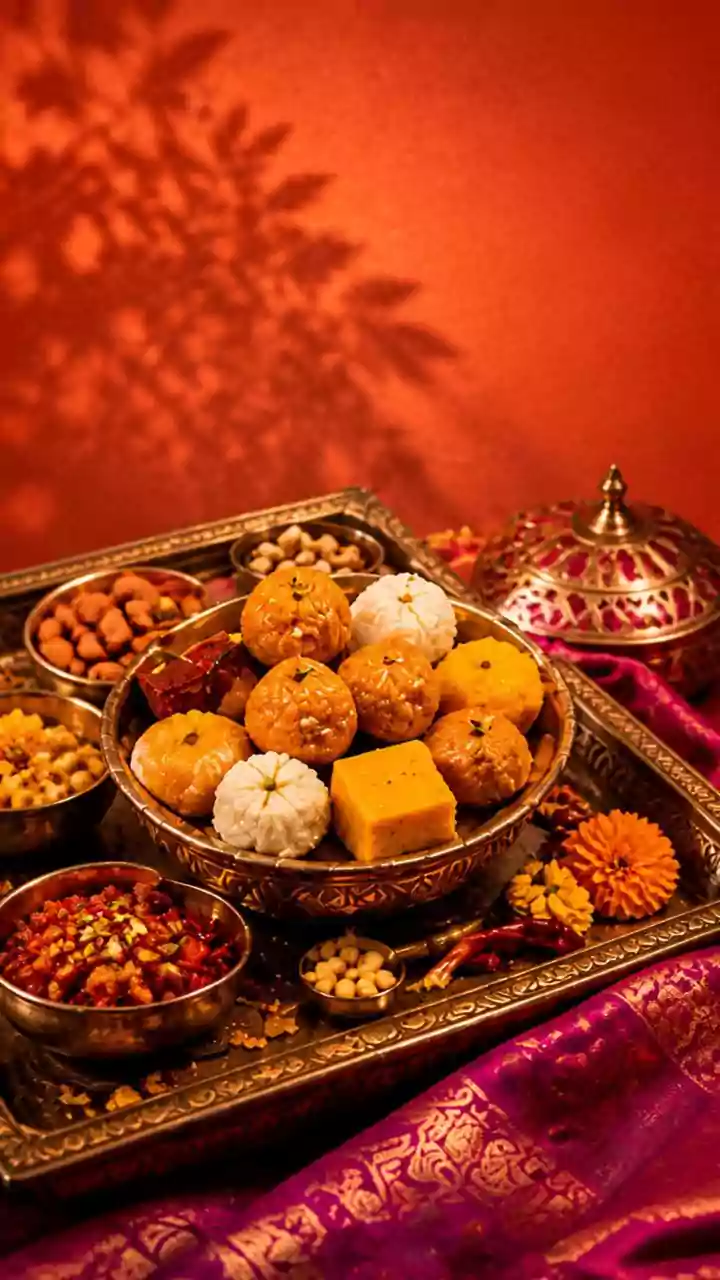
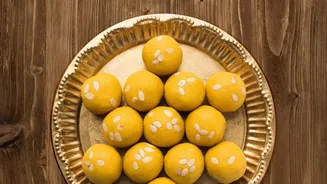
Once your mixture is perfectly made, the final hurdle is shaping. If the mix is too warm, the ladoos will be greasy and won't hold their shape. If it's too cold, it will become hard and crumbly. The key is to shape them while the mixture is still comfortably warm. If you find the mixture is too soft or loose, a quick trip to the refrigerator for 10–20 minutes can help solidify any ghee making it much easier to handle. When rolling, use firm but gentle pressure between your palms to press them together into a stable ball before rolling it smooth. Don’t overwork or pack them too aggressively. Once shaped, let them cool completely at room temperature which will allow them to firm up to perfect consistency.