





Starting a fitness journey is exciting, but it's easy to think that 'more is more'. The surprising truth is that rest is just as vital as your workout. Let's explore why recovery is your secret weapon and how to pair it with smart, joint-friendly exercises.
Why Your Body Needs Downtime
When you start a new fitness routine, enthusiasm can make you want to train every day. However, progress doesn't happen during the workout itself; it happens during the recovery period afterward. Exercise, especially strength training, creates microscopic tears in your muscle fibres. This is a normal and necessary process. During rest, your body gets to work repairing these tears, which is how muscles heal and grow stronger. Without adequate rest, you deny your body this crucial repair time, which can lead to fatigue, plateaued performance, and an increased risk of injury. Rest also allows your body to replenish its energy stores, known as glycogen, which get depleted during exercise. A well-rested body is a resilient and responsive one, ready for the next challenge.
The Difference Between Rest And Recovery
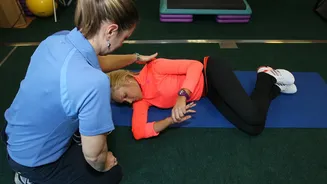
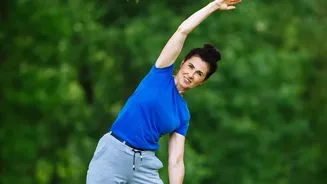
It is important to understand that 'rest' doesn't always mean being completely sedentary. There are two types of recovery: passive and active. Passive recovery is what we typically think of as a rest day—no strenuous activity, allowing for total relaxation and prioritising sleep. Sleep is one of the most powerful recovery tools, as it’s when the body does most of its muscle repair and hormone regulation. Active recovery, on the other hand, involves light, low-intensity movement. This could be a gentle walk, a relaxed swim, or some light stretching. These activities help increase blood circulation, which can reduce muscle soreness and stiffness without putting significant stress on the body. Incorporating both types into your weekly schedule is the key to a balanced and sustainable fitness plan.
Start with Joint-Friendly Cardio
When you're a beginner or have sensitive joints, high-impact exercises like running can feel jarring. Low-impact cardio is the perfect solution, as it raises your heart rate without putting excessive strain on your knees, hips, and ankles. These exercises are ideal for building cardiovascular health, managing weight, and improving mood safely. Because these movements are gentler, they reduce the overall risk of injury, making them a sustainable choice for long-term fitness. The key is to choose an activity that keeps at least one foot on the ground or supports your body in other ways, like with water or equipment.
Swimming: The Ultimate Gentle Workout
Water_based exercise is widely considered one of the best joint_friendly workouts available. When you're in the water, its natural buoyancy supports up to 90% of your body weight, which dramatically reduces stress and pressure on your joints. This makes swimming or water aerobics an excellent choice for individuals with arthritis, joint stiffness, or those recovering from an injury. The water also provides gentle, consistent resistance, which helps to strengthen muscles throughout your entire body while improving circulation and flexibility. Even just walking in a pool can provide significant benefits.
Cycling: Strength Without The Strain
Whether you're on a stationary bike or cycling outdoors, pedalling is a fantastic low_impact exercise that is gentle on the knees and ankles. It is a non_weight_bearing activity, meaning the saddle supports much of your body weight, which protects your joints from the pounding associated with running. Cycling is especially effective at building strength in the leg muscles that support your knees and hips, which can improve joint stability over time. For beginners, it’s a great way to build cardiovascular endurance and muscular strength simultaneously.
Yoga and Pilates: For Core Strength and Flexibility
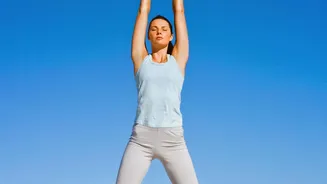
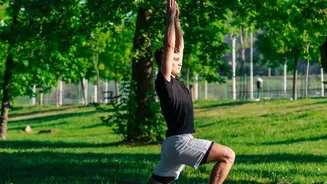
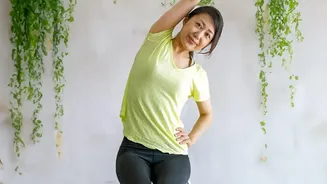
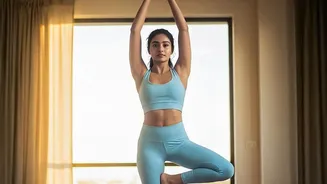
Yoga and Pilates are low_impact disciplines that focus on controlled movements, core strength, flexibility, and body awareness. Yoga uses a combination of physical postures, breathing techniques, and meditation to improve balance and lengthen tight muscles. Pilates, on the other hand, places a strong emphasis on strengthening the deep core muscles that support the spine and improve posture. Both practices are excellent for reducing stress, preventing injury, and building functional strength that supports you in everyday activities. Many poses and exercises can be modified, making them accessible to all fitness levels.