





From Sightseeing to Soul-Searching
Monsoon travel in India is undergoing a significant transformation. Once considered the off-season, it's now a cherished period for getaways, especially for those seeking respite from city life. The focus is shifting from ticking off landmarks to immersing
oneself in an experience. Modern travellers, particularly millennials and Gen Z, are driving a powerful trend towards experiential travel. They crave authenticity, connection, and a deeper understanding of the places they visit. This has led to a surge in demand for accommodations that offer more than just a bed and a roof; they want a story, a connection, and a unique perspective. This desire for meaningful travel is reshaping where people go and where they choose to stay during the rains.
What Defines a Boutique Homestay?
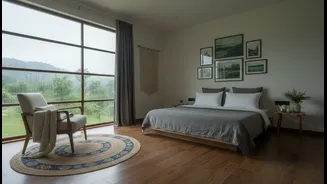
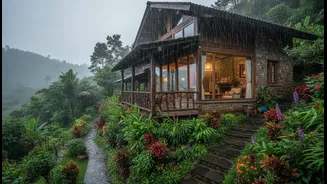
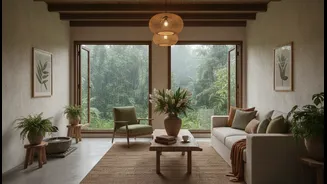
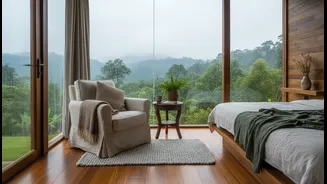
The term ‘boutique homestay’ might sound like marketing jargon, but it represents a distinct category of accommodation. Unlike a standard hotel, it's small, intimate, and design-led, often with fewer than 20 rooms. Unlike a basic homestay, which primarily offers a room in a family's home, a boutique homestay is curated. Think of a restored heritage haveli in Rajasthan, a chic villa in a Goan village, or a coffee plantation bungalow in Coorg. The key elements are personalised service, distinct architectural character that reflects the local culture, and a sense of exclusivity. The host is often deeply involved, acting more like a local connoisseur than a hotel manager, offering guests a tailored experience.
The Allure of Personal Connection
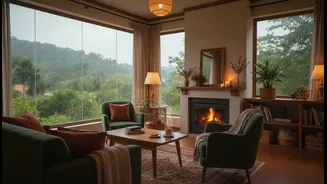
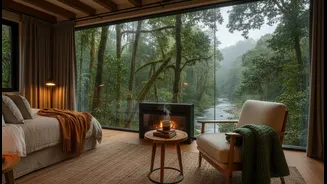
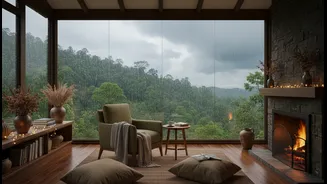
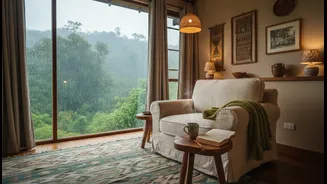
Why are travellers making this switch? The answer lies in the craving for human connection and unique experiences over the sterile anonymity of large hotel chains. A boutique homestay offers a 'home away from home' atmosphere, where service is personal and intuitive. Instead of a generic buffet, you might get to enjoy home-cooked regional meals, often made with ingredients sourced locally. Hosts share invaluable local knowledge—the best time to visit a hidden waterfall, where to find the best local crafts, or the story behind a nearby temple—insights you simply won't find in a guidebook. This creates a more memorable and enriching travel experience, especially for solo travellers and families who value safety and a welcoming environment.
Experiences Beyond the Four Walls
The value of a boutique homestay extends far beyond the room itself. These properties are gateways to authentic local life. Many hosts curate unique activities for their guests that you can't book on a travel portal. Imagine joining your host for a walk through their spice plantation in Kerala, learning the art of Kodava cooking in Coorg, or even participating in a paddy plantation in Kalimpong during the monsoon. Some stays offer feni-tasting sessions in Goa, pottery workshops, or guided nature trails. This shift aligns with the larger trend where travellers are willing to spend more on immersive activities, from food tourism and cultural workshops to heritage walks.
Where the Trend is Thriving
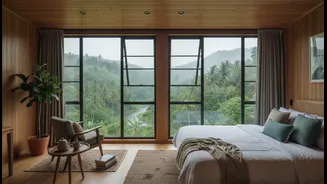
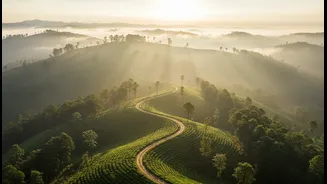
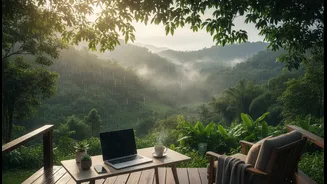
This rising demand for boutique stays is most visible in regions that come alive during the monsoon. The Western Ghats are a prime example, with destinations like Coorg, Chikmagalur, Wayanad, and Munnar turning into lush, misty paradises. Here, coffee and tea plantation stays are incredibly popular. The quieter, greener hinterlands of Goa, away from the crowded beaches, are also seeing a rise in travellers seeking out restored Portuguese homes and eco-friendly villas. In the north, the foothills of the Himalayas in states like Uttarakhand and Himachal Pradesh offer serene mountain escapes in charming cottages and estates, providing a cool and quiet retreat.