




The Speed of a Scroll
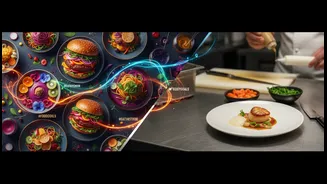
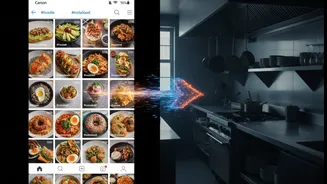
In India's vibrant digital ecosystem, food trends move at lightning speed. A single viral Reel can create a nationwide craving overnight. From oversized dishes designed for shock value to niche health trends like 'fibremeaxing', social media platforms
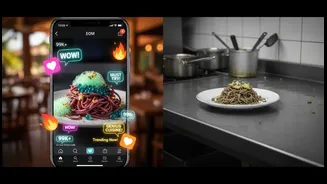
have become the primary engine of food discovery for millions of urban consumers. This “camera eats first” culture means novelty, visual appeal, and shareability are the ingredients of a successful trend. An influencer can create, shoot, and post a new food idea in a matter of hours, and the algorithm can push it to millions in a day. This creates a constant, fast-moving cycle of desire for what's new and next, a pace that physical businesses struggle to match.
The Reality of the Restaurant
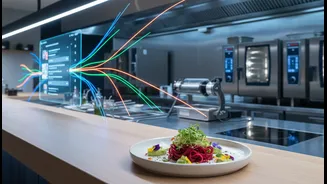
While a food trend is born in a click, a menu item is born from a complex and costly process. For a restaurant to add a new dish, it must navigate a logistical gauntlet. This process, known as menu engineering, is a careful science. It starts with sourcing reliable suppliers for potentially new ingredients. Then comes recipe standardization—documenting exact weights and methods to ensure consistency. The dish must be costed to the last gram to determine a price that is both profitable and palatable to customers. A restaurant's food cost, which most aim to keep between 25-35%, is a tightrope walk. Adding a new item often means training kitchen staff, and sometimes even investing in new equipment. All this happens before a single customer has even ordered it.
The High Cost of a Short-Lived Fad
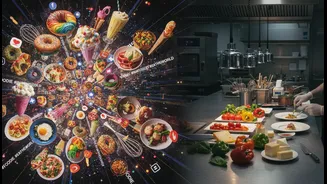
Herein lies the core of the social-to-menu gap: risk. For a social media creator, a viral dish is a low-cost, high-reward success. For a restaurant, investing in a trend is a significant financial gamble. What if they stock up on special ingredients, train their team, and print new menus, only for the trend to die in three weeks? The fast-paced, often fleeting nature of online fads is directly at odds with the long-term planning required to run a sustainable food business. A dish that looks amazing on camera might be impractical to produce at scale, have a low profit margin, or fail to deliver on taste, leading to disappointed customers and wasted inventory. As a result, most restaurant owners are understandably cautious, choosing to stick with proven sellers rather than chasing every viral sensation.
How the Industry Is Trying to Adapt
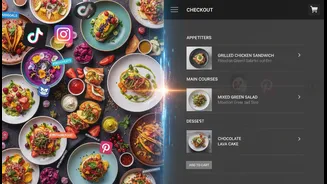
This doesn't mean restaurants are ignoring social media. On the contrary, they are finding smarter, more agile ways to engage with trends. The rise of cloud kitchens, or delivery-only brands, is one major adaptation. These kitchens have lower overheads and can operate with more flexibility, allowing them to launch virtual brands or special menus to test a trend's viability without overhauling a physical restaurant's entire operation. Some dine-in establishments are also using 'Limited Time Only' (LTO) offers and seasonal menus to tap into a trend's popularity without committing to it permanently. This allows them to create buzz and attract customers eager to try the latest thing, but with a built-in exit strategy.