

The Alleppey Houseboat Dream
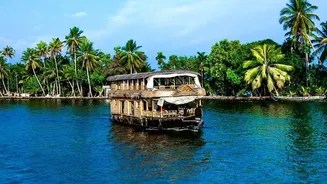
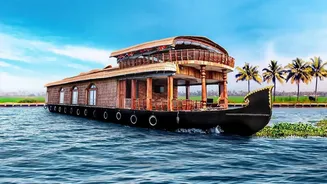
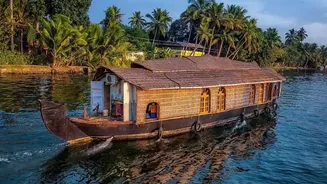
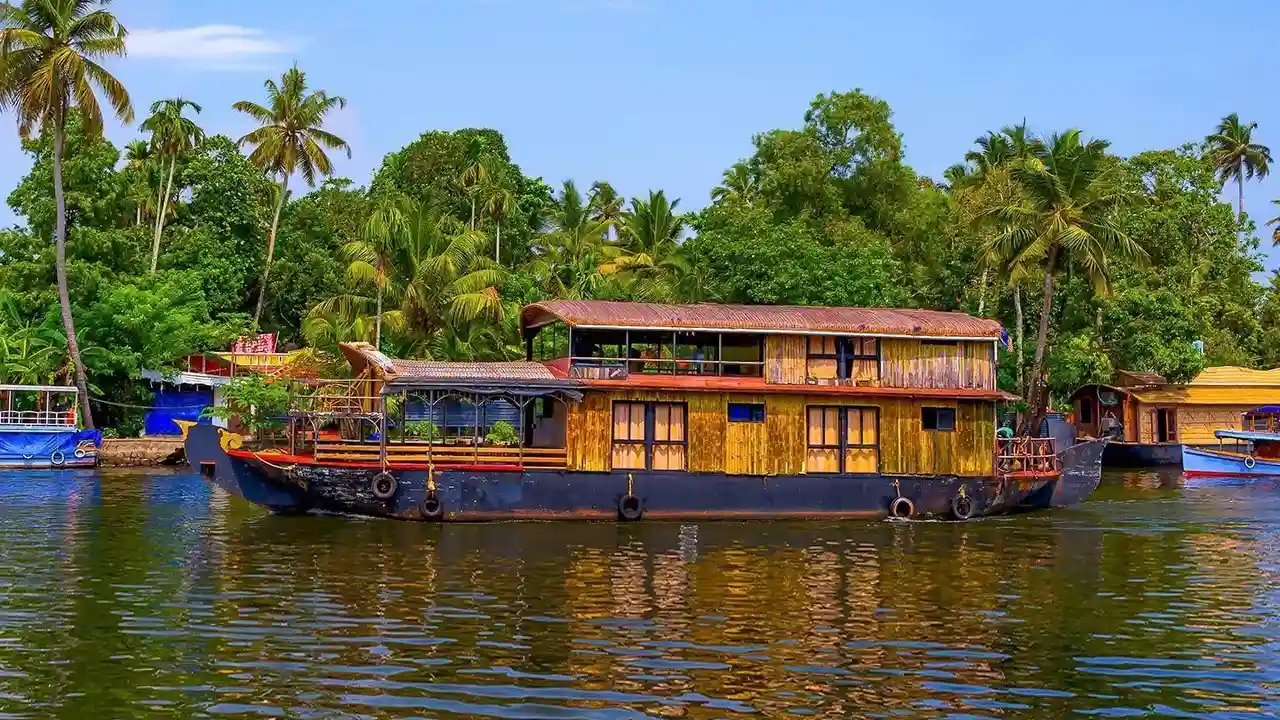
For decades, Alleppey (Alappuzha) has been the undisputed king of the Kerala backwaters. It’s the place you see on postcards, a bustling hub where hundreds of 'kettuvallams'—traditional rice barges converted into floating hotels—offer an all-inclusive
experience. For a price, you can spend a night on the water, with a personal crew, chef, and bedroom, drifting along wide canals and the expansive Vembanad Lake. The appeal is undeniable: it’s a comfortable, luxurious way to soak in the scenery. Tourists can relax on a plush deck as life unfolds on the riverbanks. The package typically includes all meals, featuring local Keralan cuisine, making it a hassle-free, resort-style adventure on the water.
A Crowded and Costly Paradise
However, the very popularity of Alleppey has created challenges that are particularly felt by backpackers. The most significant barrier is cost. An overnight stay on a private houseboat can range from ₹7,000 to over ₹25,000, a steep price for those travelling on a tight budget. Beyond the expense, the experience itself can feel commercialised. The waterways are often congested with boat traffic, leading to a less-than-tranquil journey. Furthermore, serious environmental concerns have emerged. With approximately 1,500 houseboats operating in Alappuzha, many of which are unregistered, the strain on the delicate ecosystem is immense. Reports highlight issues with waste and sewage disposal directly into the water, polluting the lake and impacting local communities who depend on it for their livelihood.
The Quieter Alternative: Munroe Island
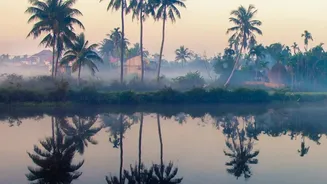
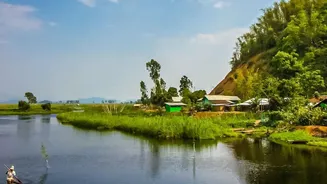
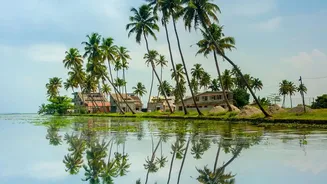
Enter Munroe Island, or Mundrothuruthu, a quieter cluster of eight small islands at the confluence of the Kallada River and Ashtamudi Lake. Unlike the wide, busy channels of Alleppey, Munroe is a maze of narrow, intimate canals, often just wide enough for a single canoe. This geography creates a fundamentally different atmosphere—one of peace and seclusion. It’s a place that feels less like a tourist highway and more like a hidden secret. For travellers seeking to escape the crowds and connect more deeply with the natural environment, Munroe Island offers an irresistible pull. It's a destination where the soundtrack is the dip of a paddle and the call of birds, not the chug of motors and the honks of passing boats.
Authenticity, Affordability, and Connection
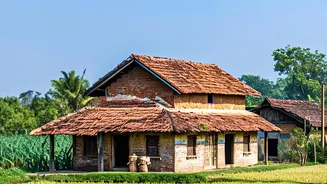
The core of Munroe Island's appeal lies in its homestays. Instead of floating hotels, visitors stay with local families in their homes along the water. This offers an unfiltered glimpse into Keralan life that a houseboat experience often misses. A room in a homestay can cost as little as ₹1,000 to ₹1,500 per night, often including a delicious, home-cooked breakfast. This price point makes it highly accessible for backpackers. The value extends beyond the cost savings. Guests share meals with their hosts, learn about their culture, and directly contribute to the local economy. This model fosters a sense of genuine connection and cultural exchange that many modern travellers crave.
Exploring the Backwaters Up Close
The primary mode of exploration in Munroe Island is the traditional, non-motorized canoe. For a few hundred rupees per hour, a local guide will pole you through tiny, mangrove-fringed waterways, under low bridges, and past villagers going about their day. These canoe tours, especially at sunrise or sunset, are praised for their serenity and unique perspective. You can spot kingfishers and other birds up close, and witness life on the banks without the noise and disruption of a large engine. This slow, eco-friendly travel method contrasts sharply with the larger, more detached experience on a houseboat, offering a more immersive and personal journey through the backwaters.
A More Conscious Choice
For many young backpackers, the choice is not just about money; it’s about values. There's a growing desire for sustainable and responsible travel. The canoe- and homestay-based tourism model of Munroe Island is inherently more eco-friendly. It has a minimal environmental footprint compared to the resource-intensive houseboat industry in Alleppey, which grapples with pollution and waste management. By choosing Munroe Island, travellers feel they are making a more positive impact, supporting local families directly and preserving the natural beauty they came to see. It represents a shift towards a form of tourism that is smaller in scale but richer in experience and connection.