

An Unsettled Tea Time Ritual
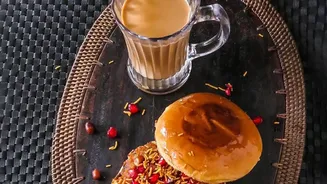
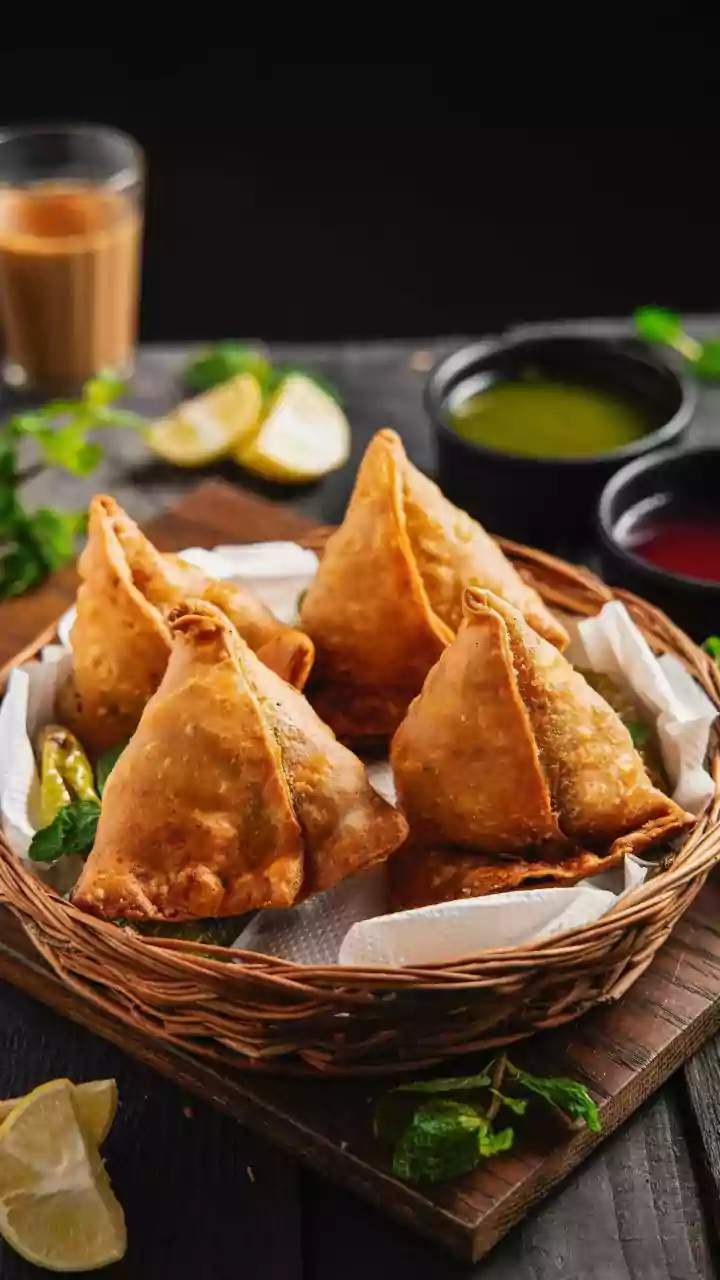
For generations, the biscuit has been an unquestioned staple in Indian households. From the affordable glucose biscuit dipped in morning chai to cream-filled varieties for an evening treat, they represent comfort, convenience, and a taste of tradition.
This cultural significance has fuelled a massive market, making India the world's third-largest biscuit producer. However, the once-unbreakable bond between tea and biscuits is beginning to show cracks. A growing wave of health consciousness is sweeping across the nation, leading many to reconsider their daily snacking habits and question the nutritional value of their favourite packaged foods.
The Drivers of a Healthier Choice
This shift isn't happening in a vacuum. A confluence of factors is driving consumers to look beyond the biscuit tin. Increased awareness around lifestyle diseases like diabetes and obesity is a primary motivator, prompting people to scrutinize ingredient labels for sugar, salt, and refined flour content. This is especially true among urban, millennial, and Gen Z consumers, who are more attuned to global wellness trends and seek products that align with their fitness goals. The Indian government's 'Eat Right India' movement has also played a role in educating consumers and encouraging manufacturers to create healthier formulations. As a result, 'clean-label' products with transparent, natural ingredients are no longer a niche demand but a growing expectation.
The New Snack Aisle
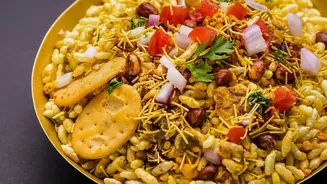
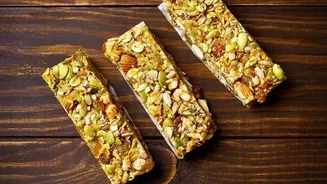
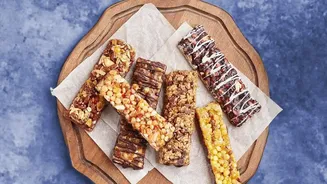
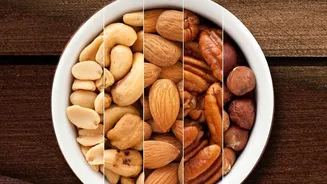
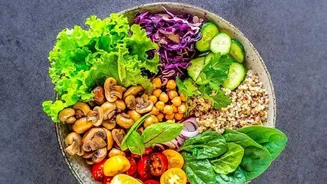
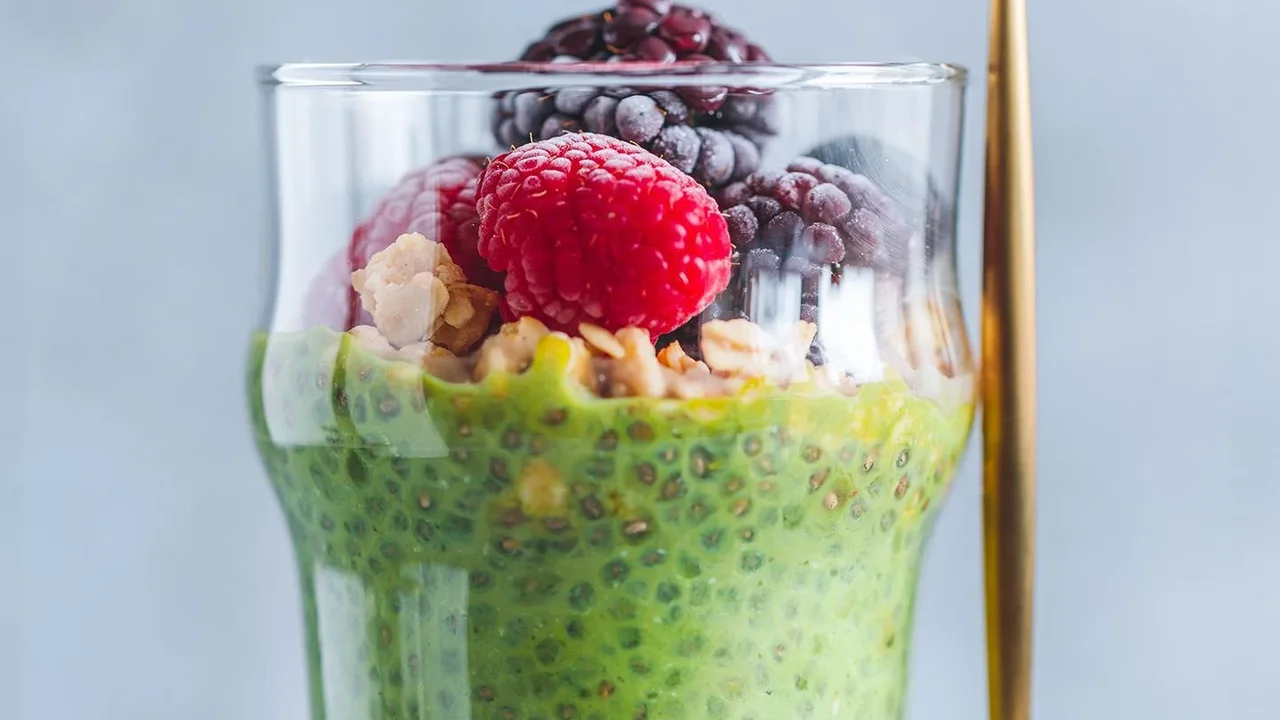
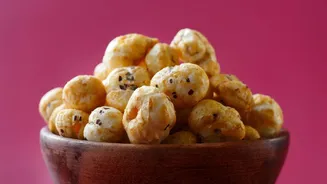
So, what is replacing the traditional biscuit? The new snack aisle is diverse and innovative. Ancient grains, once regional staples, are being reinvented for the modern palate. Millet-based products, from crackers and chips to cookies, are surging in popularity due to their high-fibre and gluten-free properties. Roasted fox nuts (makhana), baked namkeens, and flavoured nut and seed mixes offer a savoury crunch without the guilt of deep-fried alternatives. For those seeking functional benefits, protein bars, granola, and digestive biscuits fortified with vitamins and fibre have become go-to options. These products cater to the demand for on-the-go convenience while delivering tangible nutritional benefits.
How Legacy Brands and Startups Are Responding
The established giants of the biscuit world are not standing still. Major players like Britannia, Parle, and ITC are actively innovating to retain their market share. They are launching 'better-for-you' product lines that include digestive, high-fibre, sugar-free, and multigrain biscuits. ITC, for instance, introduced a Sunfeast biscuit with egg and milk protein, while Bisk Farm expanded its 'Eat Fit' range with whole-wheat options. Simultaneously, a vibrant ecosystem of direct-to-consumer (D2C) startups has emerged, disrupting the market with a focus on niche health categories. Brands like Yoga Bar and Nourish Organics are finding success with vegan, gluten-free, and organic offerings, often leveraging online platforms and quick commerce to reach consumers directly.
A Trend with Staying Power
While the biscuit market in India is still projected to grow, the segment dedicated to healthy biscuits is expanding at a much faster rate, with some forecasts predicting a compound annual growth rate of over 10%. This indicates that the move towards nutritious snacking is not a temporary fad but a fundamental, long-term evolution in consumer behaviour. The change is most prominent in urban centres but is steadily spreading to smaller towns, accelerated by the reach of e-commerce. This isn't just about swapping one snack for another; it reflects a deeper shift in Indian lifestyles, where health and wellness are increasingly seen as essential, not optional.