


Roots Are a Dead Giveaway
The most definitive signs come from the roots. If you see roots creeping out of the drainage holes, they are searching for more space. Another clear indicator is roots growing out of the top of the soil; this suggests the space below is completely full.
To be certain, gently slide the plant out of its pot. If you see a dense, tangled mass of roots circling the shape of the container with little soil visible, your plant is officially root-bound. A healthy root system has room to grow, but a root-bound plant is slowly being strangled.
Growth Has Ground to a Halt
A happy plant is a growing plant. If you notice that growth has slowed significantly or stopped altogether, especially during the active growing season of spring and summer, the pot might be the culprit. This is because a root-bound plant struggles to absorb the water and nutrients necessary for new development. Pay attention to new leaves; if they are noticeably smaller than older ones, it’s a sign that the plant is rationing limited resources. In some cases, a plant will even have yellowing leaves or will drop them, even with regular care.
Watering Becomes a Chore
Have you noticed you're watering a plant much more frequently than you used to? When a pot is full of roots instead of soil, there's very little medium left to hold moisture. As a result, the soil dries out extremely quickly, sometimes within a day or two of watering. Conversely, you might see water run straight through the pot and out the bottom without seeming to soak in at all. This happens when the root mass is so dense and the soil is so compacted that it repels water. Both are signs that the root-to-soil ratio is off balance.
The Soil Is Suffering
Over time, potting soil breaks down, loses its structure, and becomes depleted of nutrients. You might notice the soil level dropping or the soil itself looking hard and compacted. Another tell-tale sign is a crust of white, salty mineral deposits on the surface of the soil. This buildup comes from fertilizer and minerals in tap water and indicates the soil is old and no longer providing a healthy environment for the roots. A sour or musty smell from the soil can also be a red flag, pointing to a poor microbial environment or even the beginnings of root rot.
It's Physically Unstable
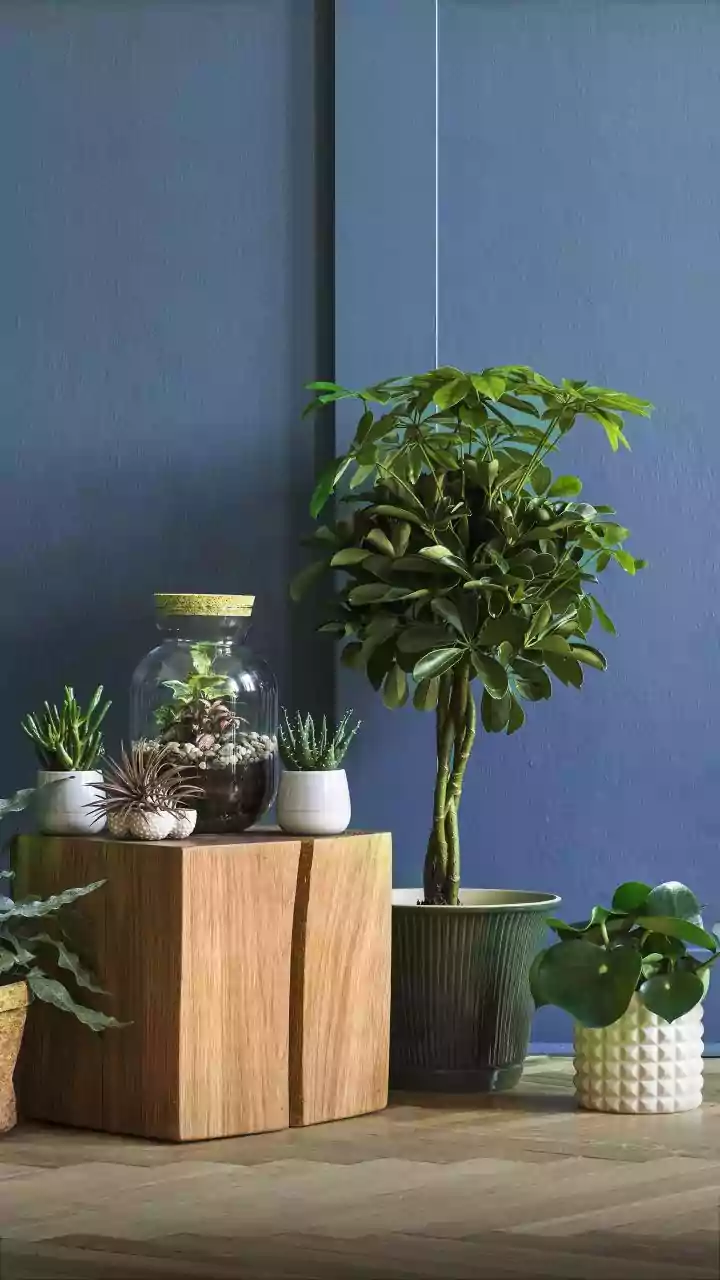
Sometimes the most obvious sign is the simplest: the plant is just too big for its pot. If your plant has become top-heavy and is prone to tipping over, it’s a clear signal that it needs a larger, more stable base. The pot should not only house the roots but also anchor the plant as it grows taller and wider. A good rule of thumb is that the pot should look proportional to the plant it's holding.
The Best Time to Take Action
While you can repot at any time if it's an emergency (like severe root rot), the ideal time is during the plant's active growing period. For most houseplants, this is in the late winter or early spring, just as they are 'waking up'. Repotting just before this growth spurt allows the plant to recover from the stress of the move and quickly establish its roots in the fresh soil, setting it up for a successful season. Repotting in fall is also an option as the plant is slowing down, which can reduce shock. Avoid repotting a plant that is actively flowering, as the stress can cause it to drop its blooms.