







Beyond the Bullet Points
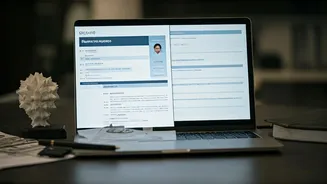
So, what exactly is Proof of Work (PoW)? At its core, it is tangible, verifiable evidence that you can do what you claim. While a resume lists skills with bullet points, PoW demonstrates them through actual output. Think of it this way: a resume is like
a movie poster, listing the actors and a catchy tagline. Proof of Work is the trailer—it shows you the action, the emotion, and what the final product actually looks like. Instead of just saying you're a "strategic thinker," you can point to a detailed case study you wrote. Instead of listing "Java" as a skill, you can share your GitHub repository filled with clean, functional code. This shift is about moving from claims to concrete examples.
Why Now? The End of Blind Faith
The rise of PoW is driven by a few key trends. Firstly, employers are becoming warier of exaggerated claims on resumes, with studies showing a high percentage of people admit to lying. Secondly, the global shift to remote and freelance work has made it harder for companies to gauge a candidate's true capabilities through interviews alone. Work samples and portfolios build a foundation of trust in a remote hiring world. Lastly, in a skills-first economy, employers increasingly want to see practical application, not just credentials. They want to reduce the risk of a bad hire by seeing how a candidate thinks and solves problems before they're on the payroll. This is especially true for career-switchers, who can use PoW to prove their readiness for a new field despite a lack of traditional experience.
What Counts as Proof?
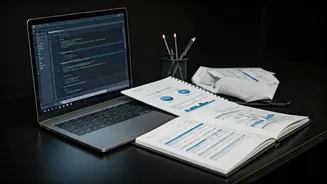
Proof of Work isn't limited to one format; it varies by industry. For developers, it’s about active GitHub repositories, open-source contributions, or links to live applications they've built. For designers, it’s a portfolio on a platform like Behance, showcasing UI/UX case studies, prototypes, and branding projects. Writers can use published articles, blog posts, or content strategy documents to prove their expertise. Marketers might create case studies breaking down the strategy and performance of a campaign, complete with analytics dashboards. Even product managers can showcase roadmaps, user research reports, and feature launch analyses. The key is that the work is discoverable, public, and directly demonstrates your skills.
How to Build Your PoW Portfolio
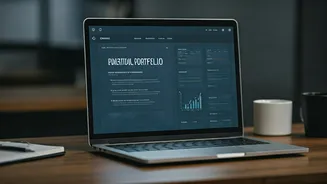
Getting started with Proof of Work doesn't have to be daunting. Begin by documenting your best work and organising it on a portfolio platform or personal website. If your work is confidential, you can create sanitized examples or write a process document that outlines your thinking and approach without revealing private data. When applying for jobs, strategically include links to your portfolio in your resume, cover letter, or LinkedIn profile. The goal is to make it easy for a hiring manager to see your capabilities. Remember, this isn't just for freelancers. Even if you have a traditional job, building a public body of work gives you career insurance and makes you less dependent on your current employer’s perception.
The Recruiter's Perspective
In a sea of similar-looking resumes, a strong PoW portfolio immediately stands out. It cuts through the noise and builds trust much faster than a list of job titles ever could. For hiring managers, reviewing a candidate's actual projects is a more reliable indicator of future performance than relying on self-reported skills or even traditional credentials. Progressive companies are increasingly looking at portfolios and GitHub profiles before they even scan a resume. This shift allows for more meritocratic hiring, where what you can build matters more than where you went to school. By presenting clear evidence of your abilities, you de-risk the hiring decision for the employer, giving them the confidence to move forward.