





Beyond a Simple Thirst-Quencher
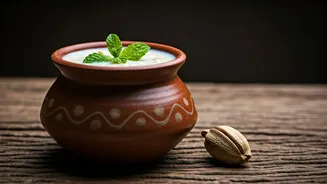
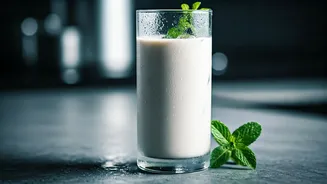
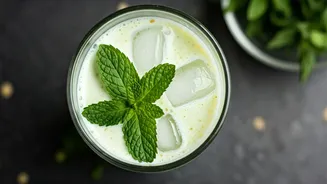
In the vast landscape of Indian cuisine, few things are as humble and yet as essential as buttermilk. Known as chaas, moru, majjiga, or sambaram depending on the region, this simple drink is the quiet hero of the sweltering Indian summer. It’s the glass
your grandmother handed you after playing outside, the staple accompaniment to a heavy meal, and the guaranteed coolant when temperatures soar. While modern, fizzy drinks line refrigerator shelves, buttermilk holds an unshakeable place in our cultural lexicon. It’s not just a beverage; it’s a tradition, a piece of culinary wisdom passed down through generations. Its enduring appeal lies in this duality: it is simultaneously a practical solution to the heat and a powerful symbol of care and home.
The Science of Summer Relief
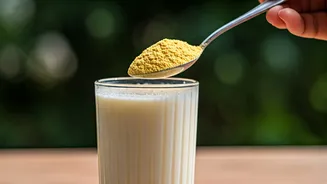
The age-old trust in buttermilk is firmly backed by science. Unlike plain water, traditional Indian buttermilk is a powerhouse of hydration and health benefits. When we sweat, we lose not just water but also vital electrolytes like sodium and potassium. The salt (and sometimes black salt, or 'kala namak') added to chaas helps replenish these lost electrolytes, making it more effective at rehydrating the body than water alone. Furthermore, as a fermented drink, buttermilk is rich in probiotics—beneficial bacteria that support a healthy gut microbiome. This aids digestion, which can often feel sluggish in extreme heat. The presence of lactic acid also helps in fighting off harmful bacteria and soothing the stomach. It’s a natural, holistic elixir that cools the body from the inside out, providing a sustained feeling of relief that a sugary, cold drink rarely can.
A Drink with Many Names
One of buttermilk’s greatest charms is its incredible versatility and regional diversity. What one person calls 'chaas' is another’s 'neer mor'. In Gujarat, it is often a thin, savoury drink, spiced with roasted cumin powder and salt, perfect for washing down a rich thali. Travel south to Tamil Nadu, and you'll find 'neer mor', a more fragrant version infused with crushed ginger, curry leaves, green chillies, and asafoetida. In Kerala, 'sambaram' is a popular variation, often featuring bird's eye chillies and shallots for a sharper, spicier kick. In Andhra Pradesh and Telangana, 'majjiga' might be served plain or with similar tempering. Each variation tells a story about its region’s palate, climate, and local ingredients. This adaptability is key to its identity; it’s a drink that belongs to everyone, seamlessly fitting into the culinary fabric of every state while retaining its core purpose.
The Unmistakable Flavour of Memory
Ultimately, the reason buttermilk “tastes like home” goes beyond its ingredients. It’s deeply intertwined with our memories. For many, the sound of a 'madhani' (wooden churner) whisking yogurt in a steel pot is the definitive sound of a summer morning at their grandparents' house. It’s the taste of unconditional love, of simple meals shared with family. This drink represents a time before complicated choices—a reliable, no-fuss comfort that was always there. It connects us to a simpler way of living, where wellness wasn't a trend but an intuitive part of daily life. In a world of fleeting fads, buttermilk’s flavour is a constant, a sensory anchor to our roots. Each sip is a reminder that sometimes, the most profound solutions are the ones that have been with us all along, waiting in our own kitchens.