






The Rise of the Single Origin
For decades, Indian coffee was synonymous with robust blends, often designed for consistency. But a quiet revolution has been brewing, led by artisanal roasters and curious consumers. The focus has shifted to 'single-origin' coffees, which means the beans
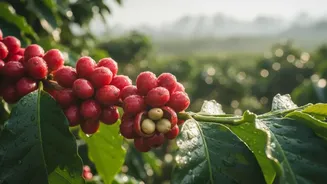
come from a specific farm, estate, or region. This traceability allows roasters to highlight the unique 'terroir'—the combination of soil, climate, and altitude—that gives each coffee its distinct personality. Instead of a uniform taste, coffee lovers can now explore a spectrum of flavours, from nutty and chocolatey to bright and fruity. This movement isn't just about taste; it's about telling the story of the coffee's journey, from the plant to the cup, and celebrating the farmers who cultivate it.
Chikmagalur: The Historic Heartland
Any conversation about Indian coffee must begin in Chikmagalur. Nestled in Karnataka's Western Ghats, this is where coffee was first planted in India in the 17th century, according to legend, by the Sufi saint Baba Budan who brought seven beans from Yemen. Today, Chikmagalur is the backbone of India's specialty Arabica production. The beans from this region, grown at high altitudes in rich volcanic soil, are known for their classic, balanced profile. Roasters value Chikmagalur Arabica for its mild acidity and full body, which often carries tasting notes of chocolate, nuts, and a subtle sweetness. Roasters like Third Wave Coffee and Blue Tokai frequently feature beans from celebrated Chikmagalur estates, showcasing a clean, smooth, and quintessentially Indian coffee profile that serves as a perfect introduction to the world of specialty brews.
Araku Valley: A Story of Terroir and Tribe
In the Eastern Ghats of Andhra Pradesh lies Araku Valley, a region with a coffee story unlike any other. Here, coffee is grown by Adivasi farming communities in what has become the world's largest certified organic coffee cooperative. This initiative, supported by organisations like the Naandi Foundation, has transformed the local economy and ecology. Araku's Arabica beans are grown in iron-rich laterite soil under the natural shade of mango and jackfruit trees, at elevations between 900 and 1,100 meters. This unique environment results in a flavour profile that is distinctly different from Chikmagalur's. Araku coffee is celebrated for its bright acidity, medium body, and complex aromatic notes, which can range from citrus and dark plum to jaggery-like sweetness and a hint of spice.
The Roaster as a Storyteller
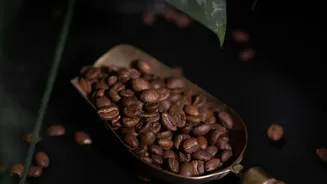
Specialty roasters are more than just cooks; they are curators and storytellers. Their job is to unlock the potential hidden within each green bean. For a roaster, a bag of single-origin beans from Araku Valley or Chikmagalur is a canvas. Through meticulous experimentation with roast profiles—controlling temperature, airflow, and time—they can choose what flavours to highlight. A lighter roast of an Araku bean might accentuate its bright, fruity notes, making for a brew that tastes almost tea-like. A medium roast of a Chikmagalur bean could enhance its caramel and chocolatey sweetness, creating a more comforting and balanced cup. Brands like ARAKU Coffee, which has its own flagship stores, and others who source from these regions, use their packaging, websites, and cafes to share the unique stories of the farmers and the specific terroir, connecting the drinker to the coffee's origin in a meaningful way.
From Bean to Cup Experience
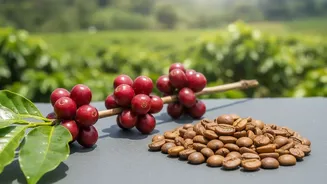
The roaster's work extends to guiding the consumer. By providing detailed information about the bean's origin, processing method (like washed, natural, or honey-processed), and ideal brewing techniques, they empower coffee drinkers to get the best out of their beans. Washed coffees from Chikmagalur often have a cleaner, brighter taste, while natural-processed beans from Araku might offer a fruitier, more intense flavour. This detailed information transforms the simple act of drinking coffee into a sensory exploration. It encourages a deeper appreciation for the craftsmanship involved at every stage, from the farmer's careful hand-picking of ripe cherries to the roaster's precise control over heat and time.