



The Hidden Risks on Your Counter
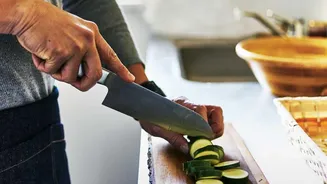
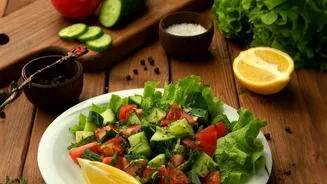
Every time a knife scores a cutting surface, it can create microscopic grooves. When preparing items like raw chicken, these tiny crevices can trap bacteria such as Salmonella and E. coli. If that same board is then used for fresh vegetables for a salad,
cross-contamination occurs, transferring harmful pathogens to ready-to-eat food. This is a leading cause of foodborne illness. For a food business, an outbreak can lead to devastating consequences, including loss of customer trust, legal action, and the suspension of your license. Furthermore, worn-out boards with deep cuts become impossible to clean properly, creating a permanent hazard in your kitchen. Discarding boards that are excessively worn is a crucial step in maintaining a hygienic environment.
Understanding India's Food Safety Mandate
The Food Safety and Standards Authority of India (FSSAI) has clear regulations for commercial kitchens. A core rule is that any surface that comes into contact with food must be made of non-toxic, non-absorbent, and corrosion-resistant material that is easy to clean and sanitize. This is what 'food-grade' means in practice. FSSAI guidelines specifically aim to prevent chemical leaching and bacterial growth. For instance, the authority prohibits wrapping food in newspaper because the ink contains harmful chemicals that can migrate into the food. Similarly, recent directives have focused on ensuring all equipment, including knives and blades, are free from rust, chips, or corrosion. For most fixed surfaces, this means using Grade 304 stainless steel, which is resistant to salt, acids, and cleaning chemicals common in a kitchen.
Choosing Your Champion: Approved Cutting Materials
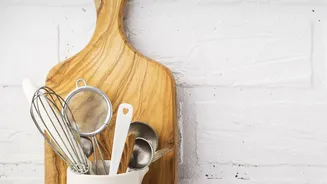
While stainless steel is the standard for tables and counters, the choice for cutting boards requires careful consideration of different materials. Plastic or Polyethylene: High-density polyethylene (HDPE) boards are the standard in many professional kitchens. They are non-porous, relatively inexpensive, dishwasher-safe, and won't dull knives quickly. Their biggest advantage is the ability to use a colour-coded system to prevent cross-contamination—for instance, red for raw meat, green for vegetables, blue for seafood, and white for dairy. However, once they become heavily scored, they must be replaced. Wood: Wooden boards have a traditional appeal and some hardwoods possess natural antimicrobial properties. They are also gentle on knife edges. However, wood is porous and can absorb juices and bacteria if not meticulously maintained. If used, they require regular oiling with food-grade mineral oil to prevent cracking and must be thoroughly sanitized. Soaking wooden boards should be avoided as it can cause warping. Composite/Rubber: These boards offer a hybrid solution, combining the durability and non-porous nature of plastic with a surface that is gentler on knives, similar to wood. Rubber boards are a favourite in many high-end restaurants for their grip and longevity. While often more expensive upfront, their durability can make them a cost-effective choice in the long run.
More Than the Material: Maintenance is Key
Purchasing the right material is only half the battle. A strict hygiene protocol is non-negotiable. All cutting boards must be cleaned and sanitized after each use, especially when switching from raw to ready-to-eat foods. The process involves washing with hot, soapy water to remove food debris, followed by a rinse and the application of a food-safe sanitizing solution. Allowing the board to air dry completely is also crucial. For Indian kitchens, FSSAI guidelines also emphasize the need for adequate cleaning facilities, including a three-compartment sink for washing, rinsing, and sanitizing. Staff should be trained on the colour-coding system and the importance of retiring boards with deep grooves or cracks. A well-maintained, high-quality cutting board is a sign of a professional kitchen that prioritizes safety.