

The Golden Rule: Drainage and Airflow First
Before you add any protection, remember why drainage and ventilation are non-negotiable. Proper drainage prevents water from sitting in the pot, which leads to root rot, the most common killer of container plants. Good air circulation helps leaves dry,
preventing fungal diseases, and keeps the plant cool. Any protective measure that traps moisture or creates stagnant air will do more harm than good. The goal is to filter the elements, not block them entirely. Always start by ensuring your pots have ample drainage holes and consider lifting them slightly off the ground with pot feet, bricks, or stones to allow water to escape freely.
Shielding from Sun Without Suffocating
Intense afternoon sun can scorch leaves and overheat roots in containers. The best solution is a breathable shade material that filters light. Shade cloth or netting, available in various densities, is a perfect choice. You can stretch it over a simple frame made of stakes or attach it to your railings. This creates a barrier that cuts down the intensity of the sun while allowing air to pass through easily. Another strategy is to use larger, sun-tolerant plants to create natural shade for smaller, more delicate ones. A simple garden parasol can also provide temporary, movable shade during the hottest parts of the day.
Filtering Wind and Driving Rain
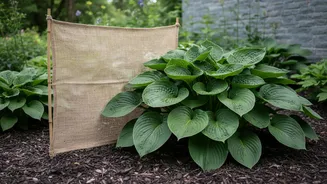
Strong winds can shred leaves, break stems, and rapidly dry out soil. Instead of a solid barrier like a glass panel, which can create damaging turbulence, opt for a windbreak that filters the wind. Materials like burlap, bamboo screens, or reed fencing attached to your balcony railing are excellent choices. They slow the wind's force without stopping airflow completely. For heavy rain, the primary goal is to prevent pots from becoming waterlogged. If your drainage is good, most rain is beneficial. For torrential downpours, grouping plants closer to the wall or under an overhang provides temporary shelter. Avoid covering plants with non-breathable plastic, which traps humidity.
Keeping Pests Out with Breathable Barriers
Pests like aphids and spider mites thrive in warm, still air. Protecting plants while maintaining airflow is key to preventing infestations. Fine insect netting or a lightweight row cover can be draped over vulnerable plants, like vegetables and herbs. These materials are breathable and light enough that they won't trap heat or moisture, creating a physical barrier against flying insects without creating a welcoming environment for other pests. Regularly inspecting your plants and ensuring they aren't overcrowded also helps improve air circulation and allows you to spot any potential pest problems early.
Smart Pot and Soil Strategies
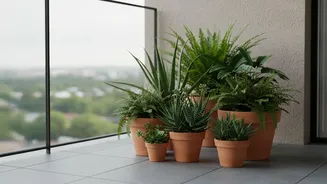
Your choice of pot and soil can significantly impact plant health in exposed conditions. Heavier pots made of terracotta or ceramic are less likely to be blown over by wind. While dark plastic pots are lightweight, they can absorb a lot of heat, essentially cooking the roots on a hot day. If you use them, consider 'double-potting'—placing the plastic pot inside a larger, lighter-coloured ceramic one to create an insulating air gap. Finally, applying a layer of mulch, such as bark chips or straw, on top of the soil helps retain moisture, keeps roots cool, and prevents the soil from being washed away in heavy rain.