




The Fermentation Fascination
Walk into many modern Indian homes, and you might find glass jars with mysterious, bubbly contents brewing on countertops. This isn't a science experiment; it's the revival of fermentation. The trend is driven by a growing interest in gut health and a desire
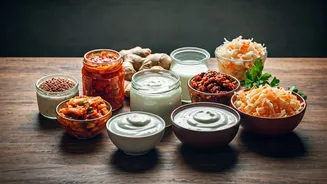
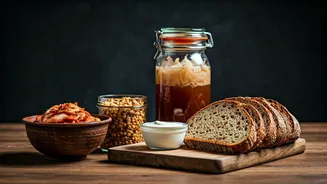
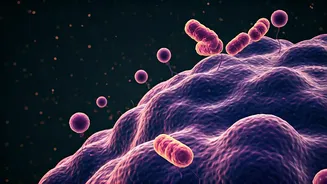
for natural, unprocessed foods. Fermented drinks are rich in probiotics—live beneficial bacteria that support a healthy gut microbiome. While store-bought options are available, many find the process of making these drinks at home both economical and empowering. It taps into a deeper connection with food, blending ancient traditions with contemporary wellness goals. Indian food culture has a long history of fermentation, from the humble buttermilk (chaas) to rice kanji, making this modern trend feel both new and familiar.
Kombucha: The Fizzy Favourite
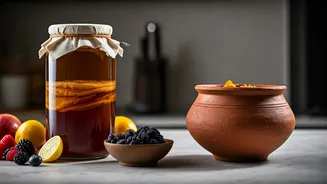
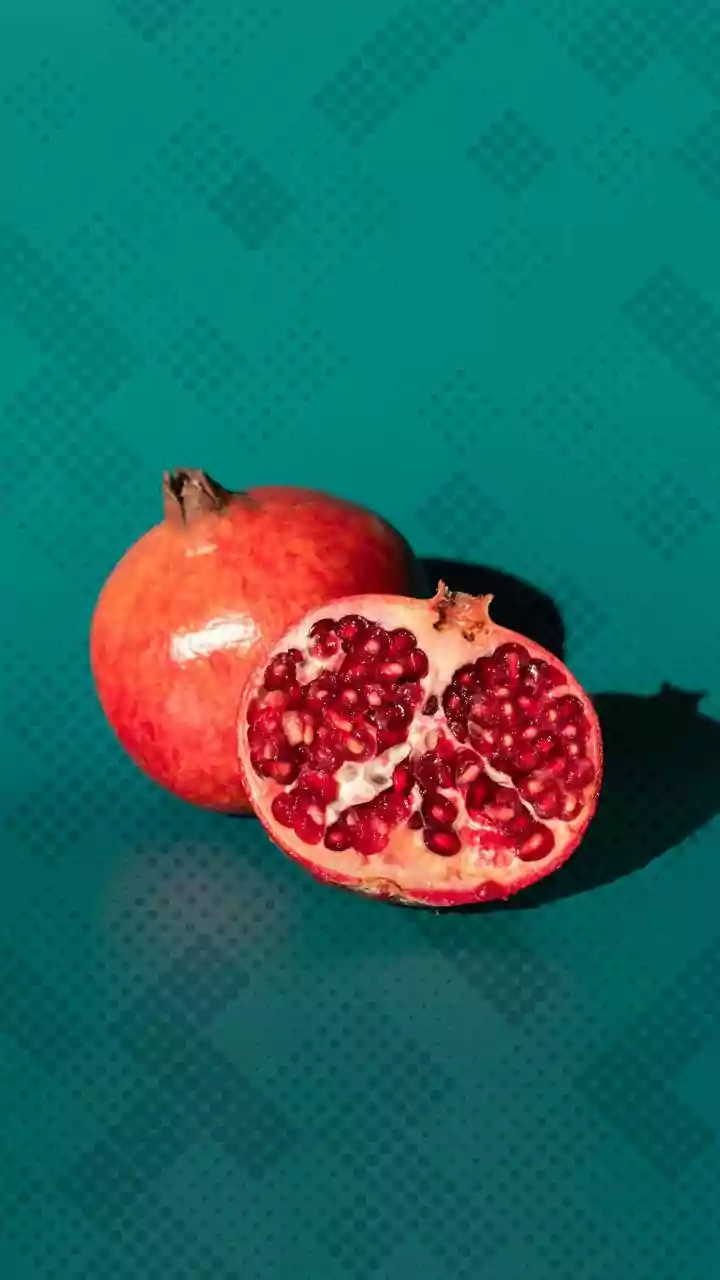
Perhaps the most popular of the new-age fermented drinks is kombucha, a tangy, effervescent beverage made from sweetened black or green tea. The magic lies in a SCOBY (Symbiotic Culture of Bacteria and Yeast), a gelatinous disc that transforms the sweet tea into a probiotic-rich drink. The process is straightforward: brew sweet tea, let it cool, and add the SCOBY and some starter liquid from a previous batch. After fermenting for about a week, you get a base kombucha that can be flavoured in a second fermentation (F2) stage with Indian flavours like ginger, mango, or pomegranate. Home-brewing allows you to control the sugar content and avoid preservatives, making it a healthier alternative to commercial sodas.
Kefir: The Probiotic Powerhouse
Close on kombucha’s heels is kefir, which comes in two main varieties: milk kefir and water kefir. While milk kefir uses grains to ferment dairy milk, water kefir has become particularly popular in India as a vegan, dairy-free probiotic option. Water kefir is made by fermenting sugar water with 'grains'—not actual grains, but clusters of beneficial bacteria and yeast. The process is quick, often taking just 24 to 48 hours. The resulting drink is a lightly fizzy, less tangy beverage than kombucha. It serves as an excellent source of probiotics for those who are lactose intolerant or follow a plant-based diet, offering a simple way to replenish good gut bacteria.
Back to Roots with Kanji
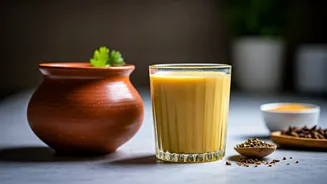
While kombucha and kefir may seem like global trends, India has its own potent fermented drink: Kanji. This traditional North Indian beverage, typically made during winter and for the festival of Holi, is a sour and tangy drink made by fermenting black carrots or beetroots with crushed mustard seeds and salt in water. The mixture is left in a glass jar in the sun for several days to ferment. The result is a vibrant, deep purple drink packed with probiotics from the fermentation process and antioxidants from the black carrots. Kanji is celebrated not just for its unique taste but also for its digestive and detoxifying properties, proving that gut-friendly drinks have been a part of Indian heritage all along.
The Link to Immunity
The driving force behind this trend is the pursuit of better immunity. The claim is not without merit, though it's more nuanced than a simple 'boost'. Research suggests that a significant portion of our immune system—around 70%—resides in the gut. A diet rich in fermented foods can increase the diversity of the gut microbiome and decrease markers of inflammation. Probiotics found in drinks like kefir, kombucha, and kanji help maintain a healthy balance of gut flora, which in turn supports a well-functioning immune system. Rather than being a magic bullet, these drinks contribute to a robust internal ecosystem, which is the foundation of good health and a responsive immune system.