



Essential Monsoon Gardening Tips
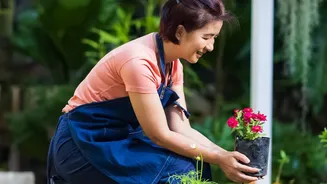
Gardening during the Indian monsoon can be incredibly rewarding, but it comes with unique challenges like waterlogging and fungal diseases. To ensure your urban garden thrives, focus on drainage. Choose pots with plenty of holes and consider adding a layer
of gravel at the bottom. It's also wise to use a light, well-aerated soil mix; you can add sand or coco-peat to improve it. Even though it's the rainy season, don't overwater; check if the top inch of soil is dry before watering plants that are under a cover. For plants exposed to the rain, manual watering is rarely needed. Regular pruning will encourage growth and good air circulation, which helps prevent fungal issues.
Balsam: The Classic Monsoon Bloom
Balsam, or Gul Mehendi, is arguably the quintessential monsoon flower in India. It is incredibly easy to grow from seed, making it a favourite among beginners and seasoned gardeners alike. These plants produce a profusion of blooms in shades of pink, purple, red, and white from July through September. Balsam thrives in moist soil and prefers partial sunlight, which is abundant during the cloudy monsoon days. For urban gardeners, they are perfect for pots and window boxes. One of their most charming features is the bursting seed pods, which pop open when mature.
Hibiscus: Tropical Flair for Your Balcony
While hibiscus can bloom for much of the year, the cooler temperatures and higher humidity of the monsoon season encourage even more vigorous flowering. Its large, trumpet-shaped flowers bring a touch of the tropics to any city balcony. Available in a stunning array of colours, these blossoms are also known to attract butterflies, adding more life to your garden. Hibiscus plants do best in well-drained soil and need about four to six hours of sunlight. Regular pruning is key to keeping the plant healthy and encouraging a steady supply of its beautiful, showy flowers.
Rain Lily: The Season’s Namesake
True to its name, the rain lily often bursts into bloom almost overnight following a good shower. This magical quality makes it one of the most delightful plants for a monsoon garden. The delicate, crocus-like flowers appear in elegant shades of white, pink, and yellow. Rain lilies are bulbs that require very little maintenance and are perfect for container gardening. They do well when planted closely together in pots or along the borders of larger planters, creating a carpet of colour after the rain.
Zinnia: A Magnet for Butterflies
If you want to attract pollinators, zinnias are an excellent choice. These cheerful, daisy-like flowers come in a spectrum of bold colours and are known for being low-maintenance. They are hardy plants that can handle the monsoon rains while adding a prolonged splash of brightness to your garden. Zinnias love full sun, so place them in the sunniest part of your balcony or terrace. They are one of the easiest flowers to grow for beginners and will reward you with continuous blooms for months.
Periwinkle (Sadabahar): The All-Rounder
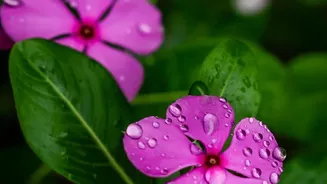
Known as Sadabahar, or 'always in bloom', the periwinkle lives up to its name by flowering nearly year-round, performing especially well in the monsoon. It is incredibly resilient, tolerates heavy rain, and requires minimal care, making it ideal for beginners. Available in lovely shades of pink, white, and lavender, it’s a reliable choice for adding consistent colour to pots, hanging baskets, and garden borders without much fuss.