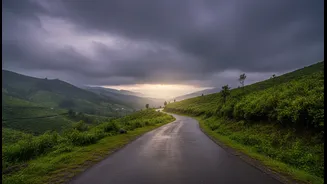







Embrace the Monsoon Magic
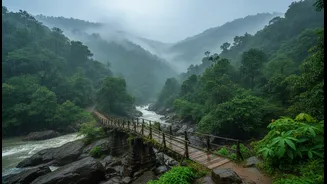
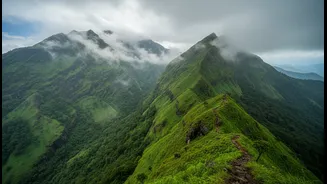
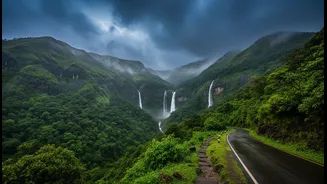
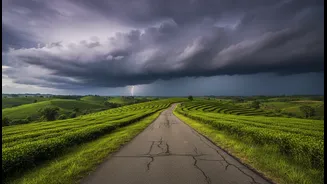
From June to September, the Western Ghats shed their dry facade and come alive. This UNESCO World Heritage site, a global biodiversity hotspot, becomes a paradise of vibrant landscapes stretching through Maharashtra, Goa, Karnataka, Kerala, and Tamil
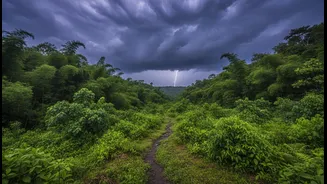
Nadu. Waterfalls that are mere trickles in summer become thunderous cascades, clouds hang low over valleys, and the air is thick with the smell of rain-soaked earth. It's a time for unique experiences, from spotting endemic frogs that emerge only during this season to trekking through cloud forests. For many, the fewer crowds and the raw beauty of nature make monsoon the most rewarding time to visit.
Choose Your Destination With Care
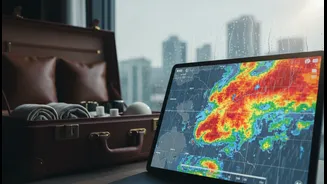
Not all destinations in the Ghats are created equal during the monsoon. Popular spots like Lonavala, Mahabaleshwar, Coorg, and Munnar offer breathtaking views but can get crowded. They are also located in regions that can be prone to landslides. The India Meteorological Department often issues alerts for ghat regions, so checking advisories before you travel is non-negotiable. For a quieter experience, consider places like Valparai in Tamil Nadu or Amboli in Maharashtra. If you plan to trek, be aware that many popular trails, especially those leading to waterfalls like Devkund, may be restricted or require permits and certified guides during peak rains. Always check the latest local regulations.
Prepare Your Vehicle Thoroughly
A road trip is the best way to experience the Ghats, but your vehicle must be monsoon-ready. Wet roads drastically increase braking distance and the risk of skidding. Before you leave, conduct a thorough check. Your tyres are the most critical safety component; ensure they have adequate tread depth (at least 3mm is recommended for safety) and are correctly inflated. Worn-out tyres struggle to channel water and can lead to aquaplaning. Replace hardened or streaky wiper blades for clear visibility in downpours. Test all your lights—headlights, tail lamps, and indicators—as you will need them even during daytime rain. Finally, get your brakes inspected; they need to be in perfect condition.
Pack Smart, Not Heavy
Monsoon packing is about staying dry and comfortable. Prioritise quick-dry clothing made from synthetic fabrics over cotton, which absorbs moisture and takes hours to dry. A lightweight waterproof jacket is an absolute must. Instead of bulky trekking shoes that can get waterlogged, consider waterproof sandals for casual exploration. Protect your electronics with waterproof dry bags or zip-lock pouches. Your packing list should also include a powerful insect repellent, a basic first-aid kit with antiseptic and antifungal cream, a portable power bank, and a sturdy umbrella. A microfibre towel is a great addition as it dries very quickly.
Navigate the Roads Safely
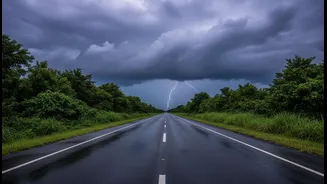
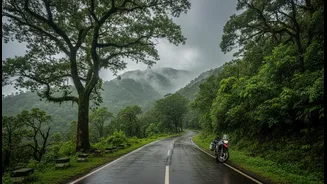
Driving in the ghats during monsoon demands your full attention. Reduce your speed significantly and double the standard following distance from other vehicles. Always drive with your headlights on, even during the day, to improve your visibility to others. The biggest risk is landslides and waterlogging. Avoid driving through roads with unknown water depth. Be particularly cautious on landslide-prone routes like the ghats connecting to coastal Karnataka or high-range roads in Kerala and get local updates before you start. It's also wise to avoid driving on ghat roads after dark when visibility is poor and risks are higher. Be flexible with your itinerary; heavy rain can cause unexpected road closures.