






As winter's haze descends, staying indoors feels like the safest choice. But the belief that our homes are sealed havens from pollution is a myth. Indoor air can be two to five times more polluted than the air outside.
The Sealed Box Illusion
When temperatures drop, our first
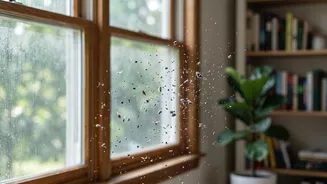
instinct is to shut every window and door to conserve warmth. This creates what feels like a protective bubble against the smoggy world outside. While this action keeps the cold at bay, it also traps a surprising number of pollutants inside. No home is perfectly airtight. Outdoor pollutants inevitably find their way in through tiny cracks and gaps around windows, doors, and ventilation systems. This process, known as infiltration, means that the dangerous fine particulate matter (PM2.5) from traffic, industry, and crop burning becomes an uninvited guest in our living spaces. In many Indian cities during winter, this infiltration is a primary reason why indoor air quality often mirrors, and can even exceed, the hazardous levels seen outdoors.
The Enemy Within: Homegrown Pollutants
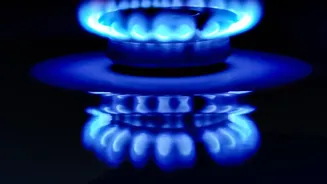
Outdoor smog isn't the only culprit. Our daily activities generate a host of indoor-specific pollutants. Indian kitchens, in particular, can be hotspots. Cooking, especially high-heat frying or using gas stoves, releases PM2.5, nitrogen dioxide, and carbon monoxide. A single cooking session can temporarily push pollutant levels in the kitchen into the 'Very Poor' category. Beyond the kitchen, other common sources add to this invisible cocktail. Incense sticks (agarbatti) and scented candles, while pleasant, are significant producers of fine particles. Cleaning products, air fresheners, paints, and even new furniture can release harmful gases known as Volatile Organic Compounds (VOCs). These chemicals, including formaldehyde, can 'off-gas' for weeks or months, contributing to a toxic indoor environment.
Why Winter Makes It Worse
Winter meteorology creates a perfect storm for pollution, both outside and in. A phenomenon called 'temperature inversion' occurs when a layer of warm air traps cold, dense air near the ground, preventing pollutants from dispersing. This is why smog seems to hang over cities for days. Inside our homes, the situation is compounded. Reduced ventilation is the key issue. By sealing our homes, we prevent the accumulated indoor pollutants from escaping. This means the PM2.5 from outdoor smog, the fumes from cooking, and the VOCs from furniture are all trapped in the same space we occupy for up to 90% of our day, leading to higher and more prolonged exposure. The dry air from heating systems can also worsen respiratory irritation, making us more susceptible to the effects of these pollutants.
Health Under a Cloud
This constant, low-level exposure is not benign. The health risks associated with poor indoor air quality are significant and range from immediate discomfort to long-term chronic conditions. Common symptoms include headaches, fatigue, dizziness, and irritation of the eyes, nose, and throat. For vulnerable individuals, such as children, the elderly, and those with pre-existing conditions, the effects can be more severe. Exposure to fine particulate matter and other pollutants can trigger or exacerbate asthma and allergies, increase susceptibility to respiratory infections, and has been linked to serious cardiovascular problems like heart disease and stroke.
Clearing the Air: Simple Steps for a Healthier Home
While the problem sounds daunting, you are not powerless. Improving your indoor air quality is achievable with a few strategic habits. The most crucial step is ventilation. Open windows for 10–15 minutes a couple of times a day, preferably when outdoor pollution levels are relatively lower, to flush out stale air. Use exhaust fans in kitchens and bathrooms to remove pollutants at the source. Be mindful of the products you bring into your home; opt for low–VOC paints and cleaners where possible. Reduce the use of aerosol sprays and burn incense or candles only in well–ventilated areas. Regularly clean or replace filters in your HVAC system or air conditioners. For those in highly polluted areas,
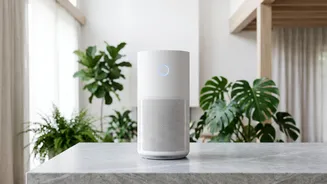
a good quality air purifier with a HEPA filter can be an effective tool to capture fine particulate matter and improve the air in your most–used rooms.