





The Cardio-Joint Conundrum
Improving heart stamina is crucial for overall health, helping to lower blood pressure and reduce the risk of chronic disease. Traditional cardiovascular exercises like running are famous for getting your heart rate up, but the repetitive pounding can
be harsh on joints, particularly the knees, hips, and ankles. This creates a difficult situation for anyone dealing with arthritis, recovering from an injury, or simply feeling the effects of age-related wear and tear. The fear of aggravating pain can become a major barrier to staying active, but the right approach can protect your joints while still providing a powerful cardio workout.
Understanding Low-Impact Exercise
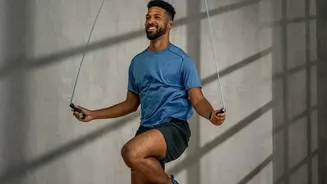
The solution lies in 'low-impact' exercises. This term refers to any activity that minimizes the force placed on your joints. Unlike high-impact movements where both feet may leave the ground simultaneously (like in running or jumping), low-impact exercises ensure at least one foot remains on the ground or that your body is supported by equipment or water. This reduces shock and strain, making exercise more comfortable and sustainable. These workouts are just as effective at strengthening your heart, building endurance, and burning calories.
Swimming: The Ultimate Joint-Friendly Workout
Often hailed as the perfect low-impact exercise, swimming provides a full-body workout with virtually zero stress on the joints. The buoyancy of water supports your body weight, which can be a huge relief for those with arthritis or chronic pain. At the same time, the water provides resistance, which helps strengthen the muscles in your arms, legs, and core. This combination elevates your heart rate, improves circulation, and builds stamina without the harsh impact of land-based exercises. Water aerobics or even just walking in a pool are also excellent alternatives.
Cycling: Power Without the Pounding
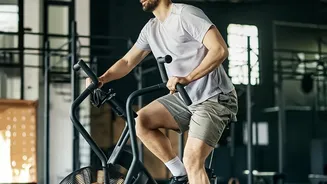
Whether on a stationary bike or outdoors, cycling is another fantastic way to boost cardiovascular health while being gentle on your knees. The smooth, circular motion avoids the jarring impact of running. Furthermore, cycling strengthens the key muscles that support your knee joints, such as the quadriceps and hamstrings. Stronger muscles provide better stability and can help reduce pain. Proper bike setup is essential to ensure your knees are not strained, so take the time to adjust your seat height for a comfortable and effective ride.
Elliptical Trainers: Mimicking Running, Minus the Stress
The elliptical machine was designed specifically to solve the cardio-joint dilemma. It offers a workout that simulates running but your feet never leave the pedals, eliminating the high-impact shock. This smooth, gliding motion allows you to raise your heart rate and build endurance for longer periods without aggravating sensitive joints. Many ellipticals also have movable handlebars, allowing you to engage your upper body for a more comprehensive, full-body workout that burns calories efficiently.
Don't Forget Supportive Strength Training
While cardio is key for stamina, incorporating low-impact strength training is also vital for joint health. Building the muscles around your joints provides a natural support system, absorbing shock and reducing strain during any activity. Exercises like controlled squats (using a chair for support if needed), lunges, and using resistance bands are gentle on the joints while effectively building muscle. A stronger foundation makes every movement easier and safer, complementing your cardio routine perfectly.