






The Pillars of the Indian Kitchen
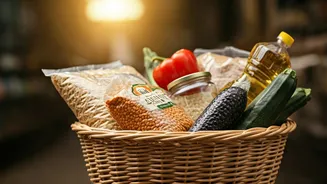
Cereals like wheat and rice form the foundation of countless meals, from roti to steamed rice. Sugar is not just for desserts; it sweetens the daily chai and is a crucial part of festive celebrations. Edible oil is the indispensable medium for nearly
all Indian cooking, from tadkas to deep-frying. Together, they are more than just groceries; they are cultural staples. This is why even minor fluctuations in their cost are felt immediately and intensely in kitchens across the nation, forcing families to make difficult choices about their spending.
Decoding Cereal Costs
The prices of wheat and rice, India’s primary cereals, are a complex interplay of policy and nature. The government sets a Minimum Support Price (MSP) to protect farmers, which forms a baseline cost. The performance of the monsoon is another critical factor, as it dictates the harvest's abundance. Government agencies procure large quantities for the Public Distribution System (PDS), which helps stabilise prices for consumers but also influences open market rates. However, global factors have also become significant. International wheat prices, influenced by harvests in other major producing countries and geopolitical events, can create pressure on domestic prices, despite India being a major producer itself.
The Bittersweet Story of Sugar
Sugar pricing in India is heavily regulated. The journey begins with the Fair and Remunerative Price (FRP), the minimum price that mills must pay sugarcane farmers, set by the central government. Some states announce their own, often higher, State Advised Prices (SAP). This creates a floor for the raw material cost. The government also sets a Minimum Selling Price (MSP) for sugar, below which mills cannot sell, ensuring they can cover costs and pay farmers. These policies aim to balance the interests of farmers, mills, and consumers. However, factors like a poor harvest or shifts in global demand can still cause prices to fluctuate. Concerns over the potential impact of El Niño on production in India, for example, can keep international prices firm, indirectly affecting domestic sentiment.
Why Edible Oils Fluctuate
Unlike cereals and sugar, India is heavily dependent on imports for its edible oil needs, buying about 60% of its consumption from abroad. Most of our palm oil comes from Indonesia and Malaysia, while sunflower oil is sourced from countries like Ukraine and Russia. This deep import dependency means that Indian consumers are directly exposed to global volatility. International events, such as wars or droughts in producing nations, can disrupt supply and cause prices to spike. Changes in import duties set by the Indian government and fluctuations in the rupee's exchange rate also have a direct and immediate impact on the retail price you pay for a bottle of cooking oil.
The Combined Impact on Your Wallet
When the costs of these three fundamental items rise simultaneously, the effect on household budgets is magnified. It's not just a matter of spending a little more on groceries; it creates a ripple effect. Families are forced to cut back on other vital expenditures. This could mean compromising on nutritious but more expensive items like fruits and vegetables, reducing spending on children's education, or dipping into savings meant for emergencies or long-term goals. Studies show that when the cost of essentials rises, it is non-essential and aspirational spending that gets cut first, impacting a family's quality of life and future prospects.