


A Successful Splashdown Concludes the Mission
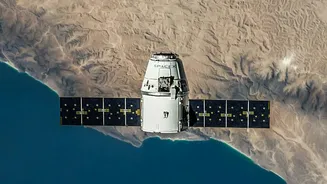
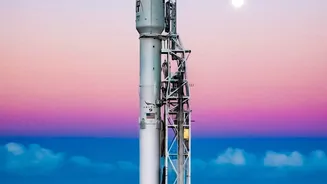
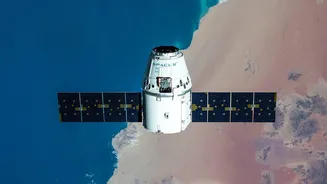
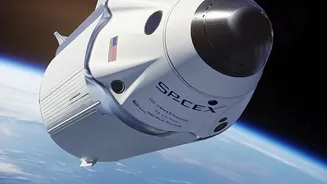
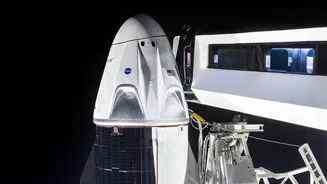
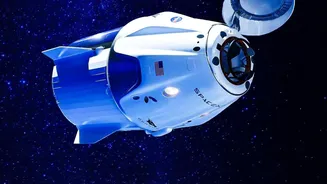
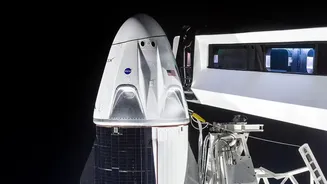
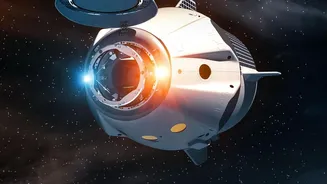
The unpiloted SpaceX Dragon capsule splashed down in the Pacific Ocean off the coast of California on Saturday, November 21. The successful recovery marked the end of a 37-day mission that began with a launch from Florida on October 13. The capsule undocked
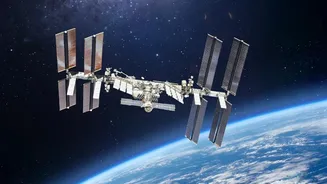
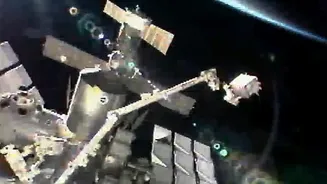
from the International Space Station (ISS) on Friday, November 20, for its 29-hour journey home. While NASA did not stream the splashdown live, recovery teams were on site to retrieve the capsule and its precious cargo, which are crucial for ongoing scientific research. This particular Dragon spacecraft was a veteran, completing its fourth flight to and from the orbiting laboratory.
More Than Just a Delivery Service
These missions, known as Commercial Resupply Services (CRS), are the backbone of the ISS's logistics chain. For over two decades, the space station has served as a unique laboratory for breakthroughs not possible on Earth, and these flights keep it stocked with supplies, equipment, and new experiments. On its way up, the CRS-35 mission delivered over 6,300 pounds of cargo, including food, supplies, and the final pair of new iROSA solar arrays, which have boosted the station's power generation capability by about 30 percent. However, the Dragon's most unique capability, and arguably its most important, is its ability to return significant amounts of cargo back to Earth intact—a feat no other currently operational cargo craft can perform.
The Precious Cargo Returning to Earth
The real prize of the CRS-35 return is the thousands of pounds of scientific material that can now be analyzed in labs across the country. Among the key items returned is a 3D-bioprinted blood vessel construct, part of an experiment studying cardiovascular disease and the aging process. By studying these tissues grown in microgravity, scientists hope to gain new insights that benefit health both on Earth and in space. Also returning were frozen tumor organoids—small, lab-grown models of patient-derived colorectal cancer—that were treated with chemotherapy aboard the station. This research aims to identify new ways to improve cancer treatments and advance personalized medicine.
Fighting Superbugs and Improving Astronaut Health
The mission also returned frozen microbial samples gathered from station surfaces. This investigation is helping scientists understand how antibiotic-resistant bacteria, or 'superbugs', survive and evolve in the closed environment of space. The findings could be critical for protecting astronauts on long-duration missions to the Moon and Mars and may also provide insights into how these dangerous microbes develop on Earth. Additionally, a specialized lighting system that was tested on the station for over three years was brought back. Researchers studied its potential to support astronauts' sleep cycles and well-being, which is vital for maintaining health and performance during extended spaceflights.
What Happens to the Science Now?
With the Dragon capsule now back on land, a race against time begins. The time-sensitive biological samples, especially those kept in freezers, must be transported to NASA's facilities and distributed to research teams around the world as quickly as possible, often within 48 hours of splashdown. This rapid return allows scientists to study the effects of microgravity on biological specimens before they have a chance to readapt to Earth's gravity. The data from these returned experiments—from cancer and heart disease to crop science and superbugs—will fuel new discoveries and help engineers design better systems for future exploration, all thanks to the reliable space-to-Earth delivery service provided by these missions.