
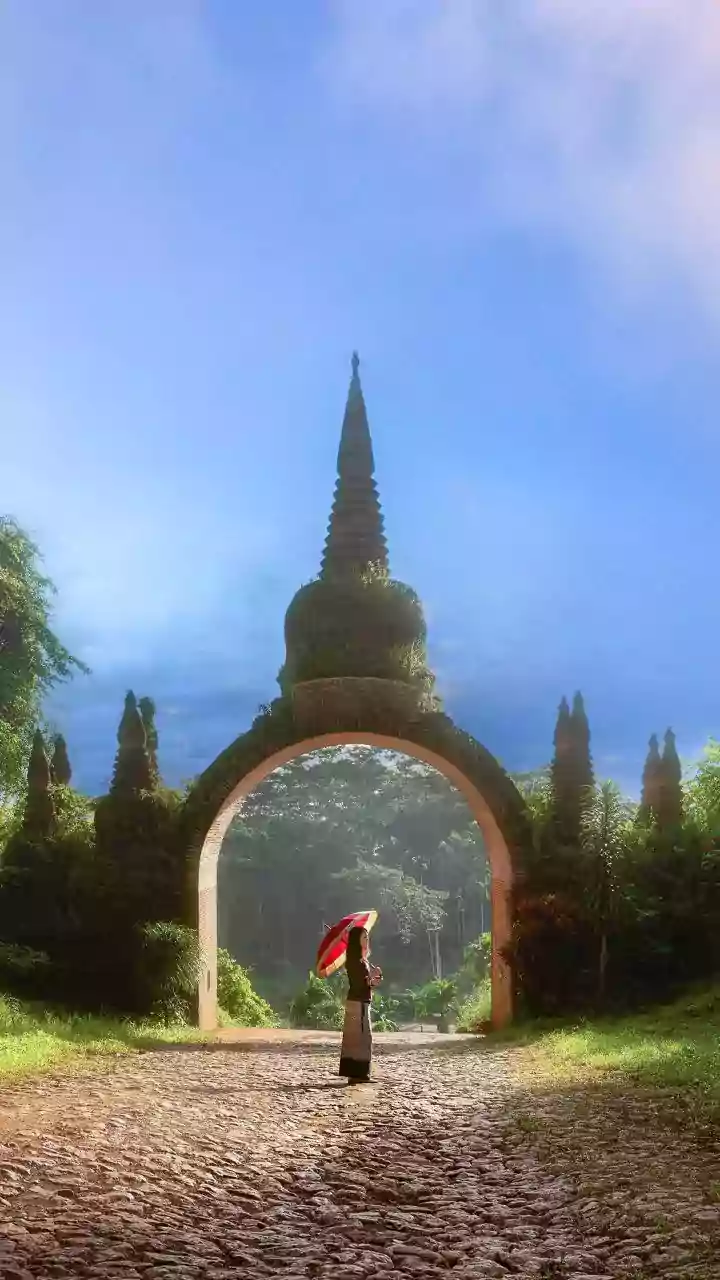



Walking into a Fairytale
The trek begins just as dusk settles, when the familiar sounds of the jungle begin to change. The air grows cooler, and the world is painted in shades of indigo and black. Your guide, a local expert who knows the forest’s secrets, motions for silence.
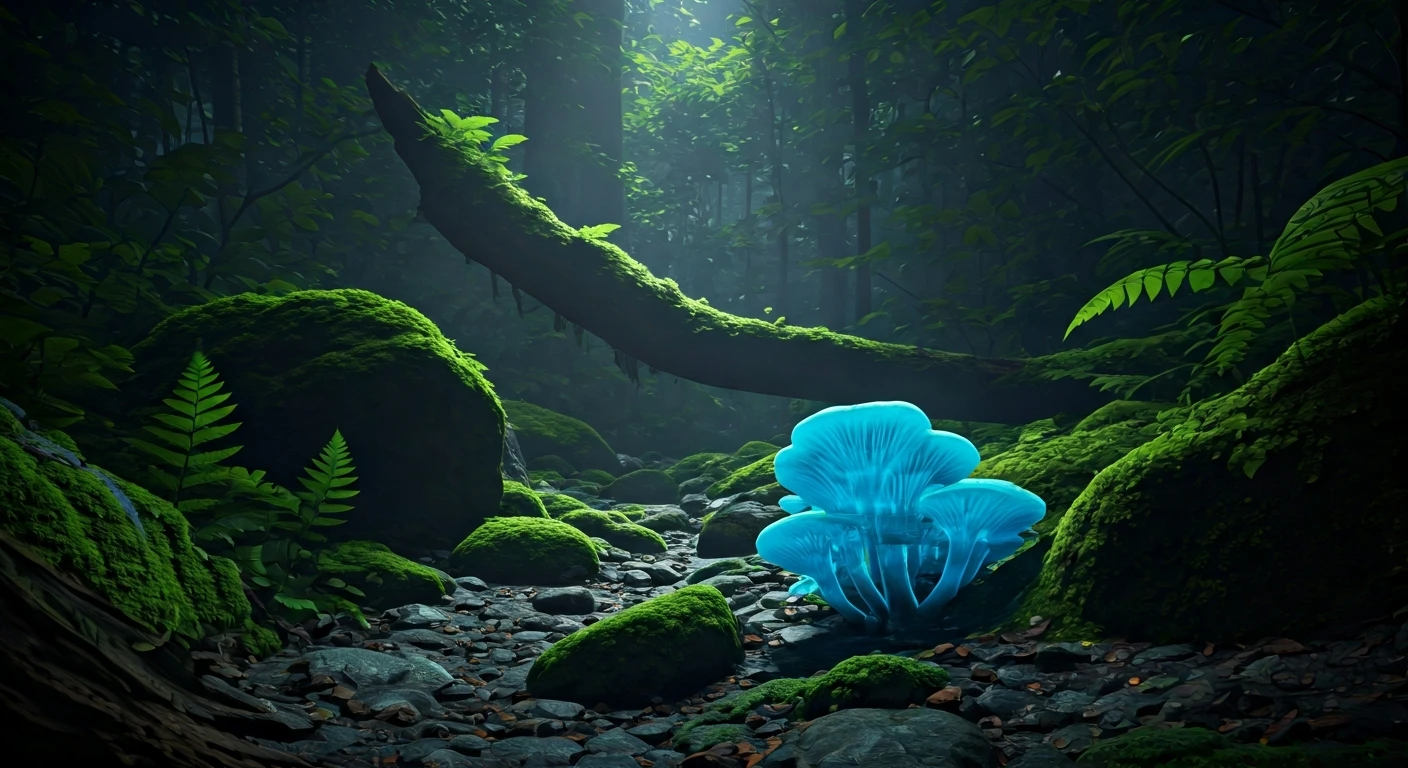
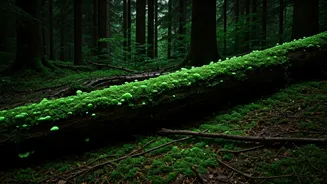
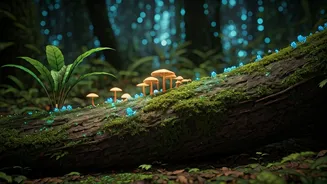
You switch off your torch, and for a moment, the darkness is absolute. Then, you see it. A faint, ethereal green glow emanating from the forest floor. It’s not a single point of light, but a network of glowing threads weaving through fallen leaves and along decaying branches. This isn’t science fiction; it’s the world of bioluminescent fungi, and it’s one of the most enchanting experiences nature has to offer.
The Science of Nature's Light
So, what causes this magical glow? The phenomenon is called bioluminescence, a chemical reaction within a living organism that produces light. It’s the same process that allows fireflies to light up the summer sky. In the jungles, two primary sources draw crowds. The most famous is the firefly, a type of beetle that uses flashes of light to communicate and attract mates. During pre-monsoon season, entire regions can come alive with millions of synchronised fireflies, creating a breathtaking spectacle. The other, more elusive source is bioluminescent fungi, often from the Mycena genus. These mushrooms glow to attract nocturnal insects, which then help disperse their spores. Unlike the flashing of fireflies, the fungi emit a constant, steady glow, turning patches of the forest into an alien, otherworldly landscape.
India’s Glowing Hotspots
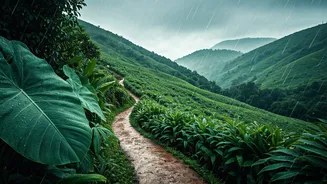
While this phenomenon occurs globally, India has several hotspots where it can be reliably witnessed. The most popular destination is Purushwadi in Maharashtra, which hosts a famous Firefly Festival between May and June. Villagers organise guided walks where thousands of fireflies create a mesmerising light show. For those hunting the ghostly glow of fungi, the Western Ghats are the place to be. During the monsoon season (June to October), guided treks in parts of Goa, Karnataka, and Maharashtra lead adventurers into forests where the glowing mushrooms thrive. The forests around the Mhadei Wildlife Sanctuary in Goa are particularly renowned for this. Similarly, parts of Meghalaya’s lush forests also offer opportunities to spot these glowing wonders, though tours here are less commercialised and often require a knowledgeable local guide.
How to Plan Your Glowing Trek
Booking a guided walk is essential. These treks take place in complete darkness in forests that can be disorienting, and a guide is crucial for both safety and spotting the organisms. They know the exact trails and conditions where the fungi or fireflies are most active. When preparing, think practical. Wear sturdy, closed-toe shoes with good grip, as the paths can be slippery, especially during monsoon. Light, full-sleeved clothing will protect you from insects. The most important rule? Minimise artificial light. Your eyes need about 15-20 minutes to adjust to the darkness to fully appreciate the glow. Using a bright torch or your phone’s flashlight will ruin your night vision and disturb the very organisms you’ve come to see. Most guides use a dim red light, which is less disruptive to nocturnal wildlife.