






What is a Repair Triage?
Think of it as a simple, systematic way to assess a broken item, much like a medic would assess a patient. It’s a mental checklist that moves you beyond the initial frustration to a logical conclusion. By asking a few key questions, you can quickly determine
if an item is worth the time, effort, and money to maintain or if it’s better to replace it. This process isn’t just about saving money; it’s about making conscious decisions about consumption, reducing landfill waste, and valuing the things we own. Adopting a triage mindset helps you avoid making impulsive choices you might later regret, whether that’s spending too much on a dying appliance or prematurely discarding something with years of life left in it.
Step 1: The 50 Percent Rule
The most widely known guideline in the repair world is the 50 percent rule. It’s a straightforward financial benchmark: if the cost of a repair is more than 50% of the cost of a new, comparable item, you should lean towards replacement. For example, if your five-year-old washing machine needs a ₹8,000 repair and a brand-new model with similar features costs ₹14,000, the repair is more than half the cost of replacement, making a new machine the more financially sound choice. This rule is most effective for mid-range appliances and electronics. However, it’s not absolute. For high-end or custom-built items, a more expensive repair might still be a fraction of the replacement cost, making it worthwhile. Always get a firm quote for the repair before making your final calculation.
Step 2: Consider the Item’s Age and Lifespan
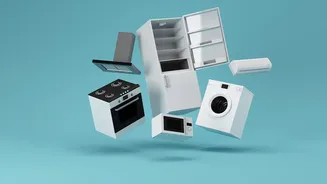
The 50 percent rule works best when combined with an assessment of the item's age. An appliance in the first half of its expected lifespan is often a good candidate for repair. However, sinking money into an item that’s already living on borrowed time is rarely a good investment. In Indian conditions, a well-maintained refrigerator can last 12-18 years, an air conditioner 10-15 years, and a washing machine 8-12 years. A television's panel might last 7-10 years, but its smart features could become obsolete much sooner. If your 8-year-old top-load washer (average lifespan: 8-10 years) needs a major repair, replacement is a very strong contender, even if the repair cost is less than 50%. Frequent breakdowns are another red flag that an appliance is nearing the end of its useful life.
Step 3: Factor in Efficiency and Environmental Impact
Sometimes the decision goes beyond immediate costs. A very old appliance might be an energy hog. Replacing a 15-year-old refrigerator or a 10-year-old non-inverter AC with a new, 5-star rated model could significantly reduce your electricity bills, helping to offset the purchase price over time. However, from a purely environmental perspective, repair is almost always the better option. Manufacturing and transporting a new product has a substantial carbon footprint, from mining raw materials to factory emissions. Extending an item's life cycle reduces the demand for new production and keeps bulky waste out of landfills. Studies have shown that repairing an appliance instead of replacing it can cut its environmental impact significantly. This step asks you to weigh long-term financial savings and performance gains against the immediate environmental benefit of repair.
The Verdict: When to Repair vs. Replace
Applying the triage helps clarify the best path forward. Almost Always Repair: Minor issues on otherwise healthy appliances are no-brainers. This includes replacing a door seal, fixing a leaky faucet washer, or mending torn high-quality clothing. Simple furniture repairs, like re-gluing a loose chair joint, are also typically worth the effort. Seriously Consider Replacement: When an item suffers from frequent breakdowns, it's a sign of systemic failure. If a major, expensive component like a refrigerator compressor or AC compressor fails on an older unit, replacement is often more economical. The same applies to outdated technology that no longer receives security or software updates, as its functionality is permanently limited.