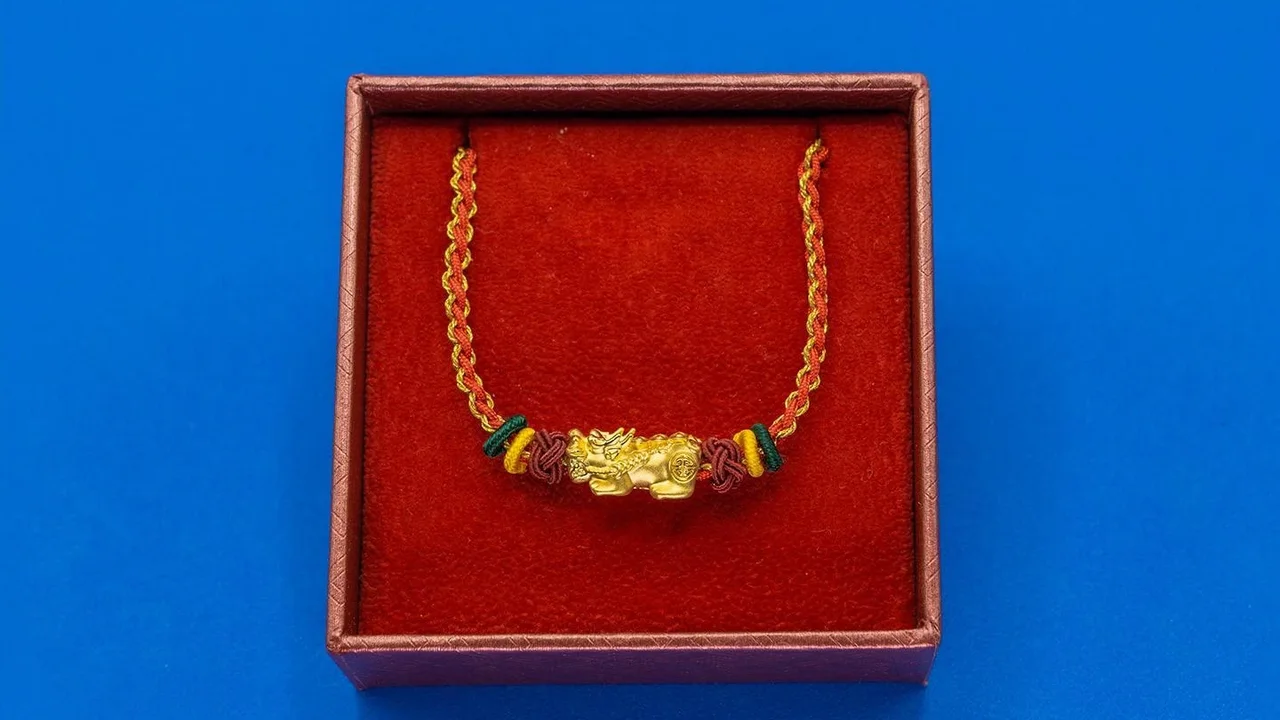

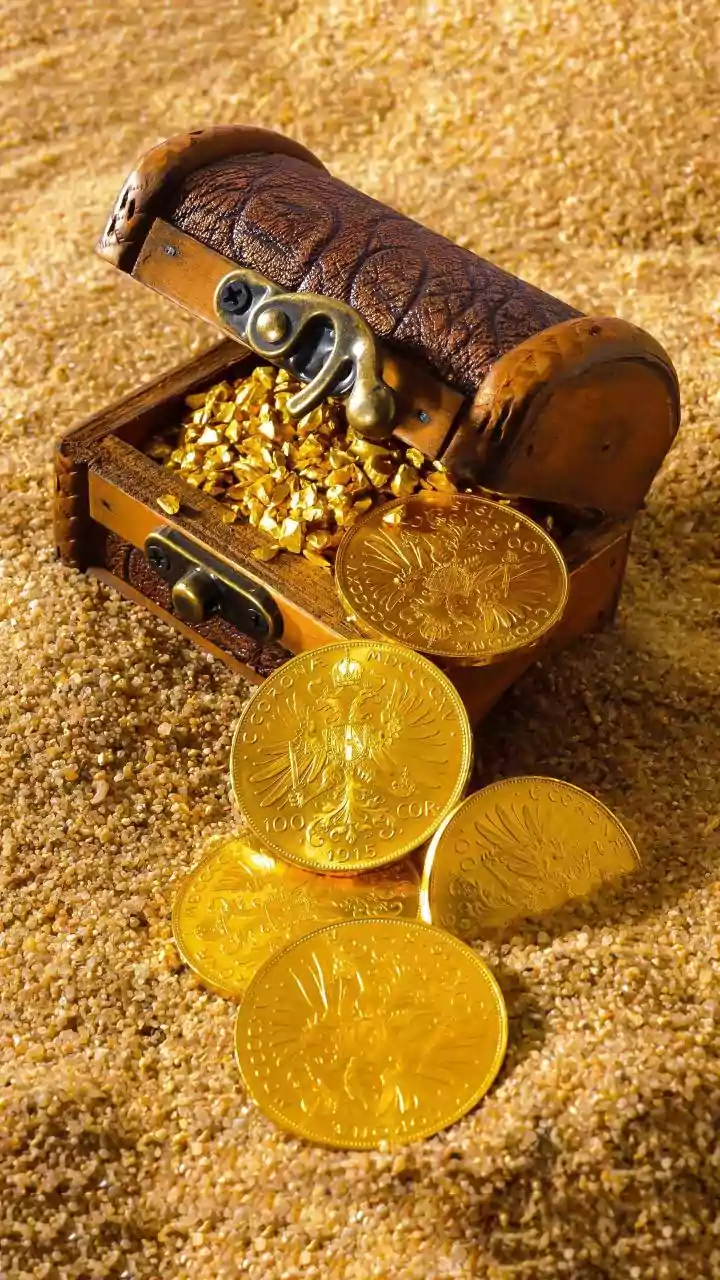




The Purity Question: 24K vs 22K
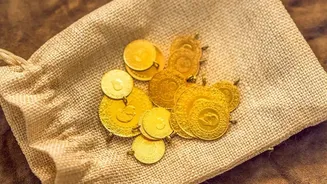
The most significant difference lies in purity. Gold coins are typically struck in 24-karat (24K) gold, which is 99.9% pure. This makes them the purest form of physical gold you can own. Jewellery, on the other hand, is most commonly crafted from 22-karat
(22K) gold. This means it contains 91.6% gold, with the remainder being alloys like silver or copper. This blend is necessary because pure 24K gold is too soft for crafting durable ornaments that can withstand daily wear. For a pure investment, 24K holds the highest intrinsic value, but for wearable art, 22K provides essential strength.
The Cost of Craftsmanship: Making Charges
Here is where the financial paths of coins and jewellery diverge sharply. Making charges are the fees for turning raw gold into a finished product. For jewellery, these charges can be substantial, ranging from 8% to over 25% of the gold's value, especially for intricate bridal designs. These fees cover the artisan's skill and design complexity. In contrast, gold coins are machine-stamped and have minimal craftsmanship, keeping their making charges very low, often between 1% and 4%. Crucially, when you sell your gold, you do not recover the making charges you paid. This means a significant portion of your initial jewellery purchase cost is lost at resale, a factor that heavily favours coins from a purely financial standpoint.
Resale Value and Liquidity
When it's time to sell, coins almost always offer a better financial return. Since they are typically 24K and have low initial making charges, their resale value is very close to the prevailing market price of gold. The process is straightforward and transparent. Selling jewellery is more complex. The jeweller will melt the piece to assess its exact gold weight and purity, deducting not just the original making charges but also potential 'wastage' fees. If the jewellery contains stones, their weight is also subtracted. As a result, the cash you receive for jewellery is often significantly less than the value of its base gold content, making coins the more liquid and efficient asset.
The Heart vs. The Head: Emotional and Utilitarian Value
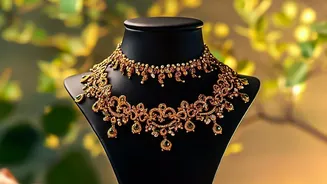
No financial calculation can fully capture the emotional weight of gold in an Indian wedding. A necklace or a pair of bangles is not just an asset; it's a blessing, a family heirloom, and a piece of wearable art that carries memories for generations. Jewellery is an essential part of the bridal trousseau, representing status and tradition in a way a coin in a locker cannot. You cannot wear a gold coin to a family function. This utility and sentimental value are a form of return that is intangible but deeply important. While coins win on financial metrics, jewellery offers a powerful emotional and cultural return on investment.
Making the Right Choice for the Occasion
Ultimately, the decision depends entirely on your primary goal. If you are buying gold purely as a financial asset for the new couple's future, gold coins are the clear winner. They are more cost-effective, purer, and offer better resale value. They are an excellent way to build a financial safety net. If, however, the purchase is for adornment, gifting, and fulfilling cultural traditions as part of the wedding ceremony, then jewellery is the only appropriate choice. It serves a dual purpose as both an ornament and a long-term store of value, even if it's less efficient financially.