







The Hostel Hurdle: Navigating Shared Spaces
Life in a hostel or PG is often a balancing act, and that includes your gut health. Shared kitchens and a reliance on outside food can expose you to a host of digestive issues. To start, always maintain basic hygiene. Wash your hands with soap and water
before every meal. [28] If you're using a shared kitchen, be mindful of cross-contamination. Clean surfaces before you start cooking and wash all utensils thoroughly. When ordering in or eating at local dhabas, try to choose places that look clean and are popular, as high turnover often means fresher food. Be particularly cautious with raw foods like salads or pre-cut fruits, as they can harbour bacteria if not handled properly. [26] It's also wise to avoid water that isn't bottled or filtered and be wary of ice in your drinks unless you're certain of its source. [26, 28] Finally, don't underestimate the power of routine. Irregular meal times can disrupt your digestion, so try to eat at roughly the same times each day. [2]
Office Insights: Protecting Your Gut at Work
A surprising number of people—up to 83% according to some surveys—eat lunch at their desks, a hotspot for germs. [18] Start with the basics: wash your hands before you eat or use a hand sanitiser. [16] If you bring food from home, ensure it's stored correctly. Perishable items should be refrigerated promptly and not left out for more than two hours. [18] The office refrigerator can be a minefield; make sure it's set to 5°C or below to slow bacterial growth. [19] When reheating leftovers, ensure they reach a safe internal temperature. Stress is another major factor in workplace gut issues. [22] Chronic stress can alter gut motility and increase acid production. [22] Try to take a proper lunch break away from your screen. A short walk after your meal can aid digestion and help manage stress levels. [2, 26] Also, be mindful of excessive caffeine from coffee and sugary drinks, which can irritate the stomach lining. [23]
Travel Triumphs: A Smart Eater's Guide
Travel exposes your gut to new foods, different water, and disrupted routines, making it a common time for digestive distress. [8] The golden rule for food safety while travelling is: cook it, boil it, peel it, or forget it. [26] Opt for foods that are served hot and avoid anything that has been sitting on a buffet for a long time. [28] While street food is a highlight for many, choose vendors carefully. Look for busy stalls with high food turnover. Staying hydrated is crucial, but stick to sealed bottled water. [6, 11] Dehydration is a leading cause of constipation when you travel. [26] To support your gut further, incorporate fibre-rich foods like fruits, vegetables, and whole grains into your travel diet. [24] Packing healthy snacks like nuts or fibre bars can help you avoid unhealthy choices and long gaps between meals. [2] Some experts also suggest taking a probiotic supplement before and during your trip to help maintain a healthy balance of gut bacteria, which can be helpful in preventing traveller's diarrhoea. [7, 26]
The Foundation of Gut Health: Probiotics and Diet
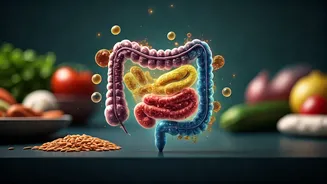
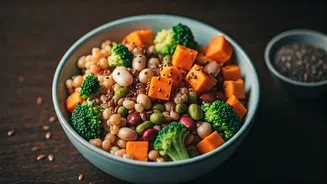
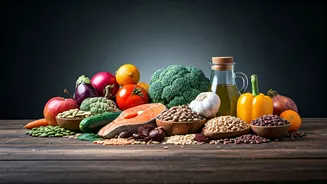
Beyond specific situations, general habits form the foundation of good gut health. The gut microbiome, the collection of trillions of bacteria in your digestive system, plays a vital role in digestion, immunity, and even mood. [3, 5] Probiotics are beneficial bacteria that help maintain a healthy balance in your gut. [4, 12] You can find them in fermented foods like yogurt (dahi), kefir, and some pickles, or take them as supplements. [4, 8] These good bacteria help protect against harmful pathogens and can improve the digestion and absorption of nutrients. [12] A diet rich in fibre from fruits, vegetables, and whole grains is also essential, as fibre feeds these beneficial bacteria. [3, 13, 14] Conversely, a diet high in processed foods, sugar, and unhealthy fats can harm your gut microbiome, leading to issues like bloating, acidity, and constipation. [23, 30] Listening to your body is key; pay attention to how different foods make you feel and adjust your diet accordingly. [13]